If you need to copy drives without tying up a computer, the right duplicator dock can save time and reduce errors. USB-C models are especially useful for modern desktops, laptops, and mixed-device workstations.
This roundup covers 10 of the best usb c hard drive duplicators for buyers who want straightforward offline cloning, broad SATA support, and practical everyday reliability.
Best 10 USB C Hard Drive Duplicators Picks for 2026
Dual-Bay Clone Dock
WAVLINK USB C/SATA Duplicator Dock

- Offline clone support with no drivers
- Works with 2.5-inch and 3.5-inch SATA drives
- USB 3.0/UASP for up to 6Gbps transfers
Best For: Budget-friendly SATA cloning and docking
Pro IT Duplicator
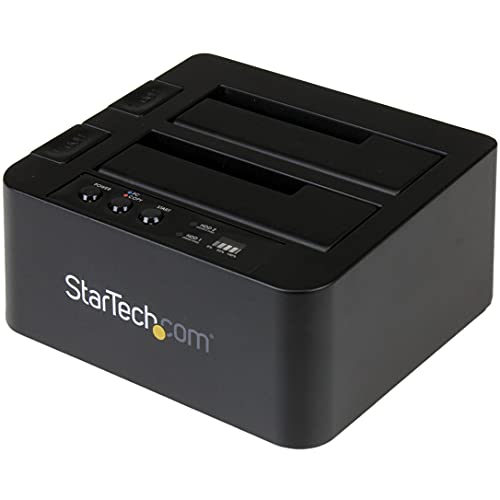
StarTech Dual-Bay SATA Cloner Dock
- Standalone sector-by-sector cloning
- USB-C and USB-A cables included
- Supports 2.5-inch and 3.5-inch SATA drives
Best For: IT-grade cloning with strong support
Five-Bay Clone Station

- Clones four copies offline at once
- Five bays with up to 100TB total capacity
- Aluminum alloy body for better cooling
Best For: High-capacity batch cloning and storage
Hybrid NVMe Dock

- Works with M.2 NVMe and SATA drives
- Offline clone support included
- USB 3.2 Gen 2 up to 10Gbps
Best For: Mixed NVMe and SATA workflows
Easy Offline Cloning
ORICO Dual Bay SATA Clone Dock

- Offline clone mode works without a computer.
- Supports 2.5-inch and 3.5-inch SATA HDDs/SSDs.
- USB 3.0 with UASP/TRIM and up to 44TB total.
Best For: Quick drive duplication with broad device compatibility
USB-C Cloning Pick
SUITOK USB-C Dual Bay Cloner Dock

- USB-C cable included with 5Gbps transfer support.
- One-key offline cloning with progress LEDs.
- Supports up to 40TB total across two bays.
Best For: USB-C users who want fast cloning and a clean dual-bay setup
High-Capacity USB-C Choice
UGREEN Dual Bay USB-C Clone Dock

- Offline cloning without a computer.
- Supports two SATA drives up to 32TB x 2.
- Includes USB B to USB C cable and cooling features.
Best For: Large-capacity SATA cloning with USB-C convenience
Dual-Bay USB-C Offline Cloner
ORICO USB Type C to SATA 2 Bay Dock

- Offline cloning with simple button-based operation
- Supports 2.5-inch and 3.5-inch SATA HDDs/SSDs
- USB-C/USB-A cable included with LED status lights
Best For: People who want a compact dual-bay SATA dock with offline clone support
USB-C SATA Dock With No-PC Cloning
SABRENT EC-CH2B USB-C Dual-Bay Cloner

- Offline one-to-one cloning without a computer
- Mounts two SATA drives separately over USB-C
- Hot-swappable bays with included USB-C cable
Best For: Buyers who want a USB-C SATA dock that can clone drives without a computer
Classic Dual-Bay USB 3.0 Cloner
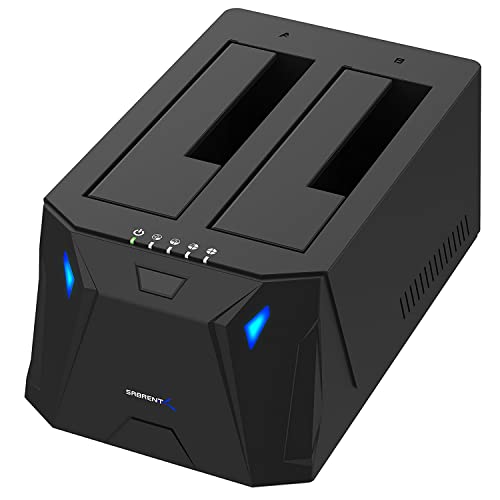
SABRENT EC-HD2B Dual-Bay Dock & Cloner
- Supports 2.5-inch and 3.5-inch SATA HDDs/SSDs
- Offline cloning and plug-and-play operation
- USB 3.0 speeds listed up to 5Gbps
Best For: Users who want a basic dual-bay SATA cloner with wide drive support
Dual-Bay Clone Dock – WAVLINK USB C/SATA Duplicator Dock
If you want usb c hard drive duplicators that can also serve as a day-to-day dock, this WAVLINK unit is a practical pick. It supports 2.5-inch and 3.5-inch SATA HDDs and SSDs, offers offline cloning without a computer, and adds USB 3.0/UASP connectivity when you need direct drive access.
Best For: Users who want an affordable dual-bay SATA dock with offline clone support and USB-C/USB 3.0 connectivity.
Pros:
- Offline cloning is built in, with no drivers required.
- Supports 2.5-inch and 3.5-inch SATA HDDs and SSDs.
- USB 3.0 with UASP can reach up to 6Gbps for faster transfers.
- Tool-free setup and hot-swapping make it easy to use.
Cons:
- Offline cloning is limited to source-to-target copies, not online cloning.
- Target drive must be equal to or larger than the source drive.
- Not compatible with M1/M2-based Macs.
Overall, this is a straightforward choice if you need a compact duplicator dock for SATA drives and value simple offline cloning over advanced features.
Pro IT Duplicator – StarTech Dual-Bay SATA Cloner Dock
For buyers comparing usb c hard drive duplicators, the StarTech dock stands out because it combines standalone sector-by-sector cloning with USB-C/A connectivity for regular drive access. It handles 2.5-inch and 3.5-inch SATA HDDs and SSDs, making it a solid fit for repeat cloning work and general docking.
Best For: IT professionals and power users who want a no-computer SATA duplicator with strong speed and support.
Pros:
- Standalone cloning works without a computer and copies the entire drive sector by sector.
- Supports 2.5-inch and 3.5-inch SATA HDDs and SSDs of any capacity.
- Includes USB-C and USB-A cables for flexible host connections.
- Up to 28 GB/min duplication speed and a 2-year warranty.
Cons:
- Target drive must be equal to or larger than the source drive.
- Requires an optional adapter for IDE drives.
- Plastic construction is less rugged than metal-bodied competitors.
This is a strong professional-grade option if you value dependable standalone duplication, broad SATA compatibility, and bundled technical support.
Five-Bay Clone Station – ORICO USB C 5-Bay Duplicator
If you need usb c hard drive duplicators for larger-scale SATA workflows, this ORICO 5-bay station is built for batch duplication and big storage pools. It can make four copies at once offline, supports 2.5-inch and 3.5-inch SATA HDDs and SSDs, and uses a USB 3.2 Gen 1 Type-C connection for modern systems.
Best For: Users who need multi-drive offline cloning and lots of total bay capacity.
Pros:
- Offline duplication can create four copies at once without a computer.
- Five-bay design supports up to 100TB total capacity.
- Aluminum-alloy body and vertical layout help heat dissipation.
- Includes USB-C to C/C-A cable and works with a wide range of devices.
Cons:
- More of a large desktop station than a compact dock.
- Backup is required before cloning because the target is overwritten.
- Only one supported device is listed in the supplied specs, so it is best understood as a multi-bay dock rather than a general hub.
This is the right pick if your priority is high-capacity SATA duplication in a sturdy multi-bay design rather than portability.
Hybrid NVMe Dock – SABRENT USB-C Clone Dock
Among usb c hard drive duplicators, this SABRENT dock is the most flexible if you work with both M.2 NVMe and SATA drives. It supports single- and dual-drive modes, lets PCIe and SATA drives be accessed at the same time, and includes offline clone functionality for quick drive-to-drive copying.
Best For: Users who need one dock for M.2 NVMe plus 2.5-inch and 3.5-inch SATA drives.
Pros:
- Supports M.2 PCIe/NVMe and SATA drives in the same dock.
- Offline cloning is included for drive-to-drive copies.
- Tool-free installation and hot-swapping simplify setup.
- USB 3.2 Gen 2 supports up to 10Gbps with a compatible host.
Cons:
- Native NVMe support on Windows 7/8 may require an additional patch.
- M.2 drive sizes are limited to 2242, 2260, and 2280.
- Multi-drive use and 3.5-inch drives require the included power adapter.
This is the best all-around option here if you need a modern USB-C dock that handles both NVMe and SATA while still offering offline cloning.
Easy Offline Cloning – ORICO Dual Bay SATA Clone Dock
If you want usb c hard drive duplicators for straightforward drive-to-drive copying, the ORICO dual-bay dock is built around offline cloning and broad SATA compatibility. It supports 2.5-inch and 3.5-inch HDDs and SSDs, so it works well for backups, disk imaging, and quick transfers without needing a computer.
Best For: Users who want a simple dual-bay dock with offline clone support and wide device compatibility.
Pros:
- Offline clone function works without connecting to a computer.
- Supports up to 44TB total with 2.5-inch and 3.5-inch SATA drives.
- USB 3.0 with UASP and TRIM support for faster transfers and SSD use.
- Compatible with PCs, Macs, Linux, Android, smart TVs, routers, and PS4.
Cons:
- Target disk must be larger than the source disk for cloning.
- Uses USB-A rather than USB-C in the included cable.
- No drive inserted means the dock will not power on.
This is a practical pick if you need an easy-to-use duplicator dock with offline cloning and broad platform support, especially for mixed SATA drive setups.
USB-C Cloning Pick – SUITOK USB-C Dual Bay Cloner Dock
For shoppers comparing usb c hard drive duplicators, this SUITOK dual-bay dock stands out for its USB-C cable, offline one-key cloning, and 5Gbps SATA III performance. It handles 2.5-inch and 3.5-inch SATA drives, making it a flexible choice for backups, storage expansion, and system migration.
Best For: Users who want a USB-C cloning dock with 5Gbps transfer speeds and a modern desktop-friendly design.
Pros:
- Includes a USB 3.2 Gen1 USB-C cable for convenient connectivity.
- Offline clone function copies drives without a computer.
- Supports up to 40TB total capacity across two bays.
- USB 3.2 Gen1, UASP, TRIM, and S.M.A.R.T. support help with speed and drive health.
Cons:
- Each bay is limited to 20TB according to the supplied notes.
- Vertical open-air design may not suit every desk setup.
- RGB lighting is more aesthetic than essential.
This dock makes sense if you want a USB-C-based duplicator with fast transfers, offline cloning, and extra monitoring features in a compact dual-bay format.
High-Capacity USB-C Choice – UGREEN Dual Bay USB-C Clone Dock
If you need usb c hard drive duplicators with a higher-capacity ceiling, the UGREEN dual-bay dock is designed for offline cloning and big storage pools. It supports two 2.5-inch or 3.5-inch SATA drives, includes a USB B to USB C cable, and is built for simple file transfers or direct disk duplication.
Best For: Users who want a USB-C dock with offline cloning and support for large-capacity SATA drives.
Pros:
- Offline cloning works without connecting to a computer.
- Supports two SATA drives with up to 32TB x 2 capacity.
- Includes a 1-meter USB B to USB C cable.
- 360-degree cooling, dust cover, and anti-slip pads add practical protection.
Cons:
- Listed data transfer speed is 5Gbps, so it is not a high-end speed upgrade.
- The notes mention USB 3.0 rather than newer USB standards.
- Compatibility details in the supplied notes are older and somewhat specific.
This is a good fit if capacity and straightforward cloning matter more than cutting-edge speed, especially for users who want USB-C convenience and dual-drive support.
Dual-Bay USB-C Offline Cloner – ORICO USB Type C to SATA 2 Bay Dock
If you want usb c hard drive duplicators for quick drive swaps and simple offline cloning, this ORICO two-bay dock keeps the process straightforward. It supports 2.5-inch and 3.5-inch SATA HDDs and SSDs, offers USB-C/USB-A connectivity, and includes LED monitoring plus auto sleep for everyday convenience.
Best For: Users who want a compact dual-bay SATA dock with offline clone support and broad device compatibility.
Pros:
- Offline clone function works without a computer once the drives and power are connected.
- Supports 2.5-inch and 3.5-inch SATA drives with up to 22TB per bay, according to the notes.
- USB 3.0 connection supports UASP and Trim with up to 5Gbps transfer rates.
- Includes a 2-in-1 USB-C/USB-A cable and LED indicators for status monitoring.
Cons:
- Clone mode requires the target disk to be larger than the source disk.
- Only supports SATA drives, not IDE, M.2, or NVMe.
- Offline cloning is designed for simplicity rather than maximum speed.
Overall, this is a practical pick if your priority is a USB-C dock that doubles as a basic duplicator and works across many systems. It focuses on easy operation, capacity support, and clean day-to-day drive handling rather than advanced storage formats.
USB-C SATA Dock With No-PC Cloning – SABRENT EC-CH2B USB-C Dual-Bay Cloner
For shoppers comparing usb c hard drive duplicators, this SABRENT dual-bay dock stands out for straightforward offline cloning and desktop file access. It handles two SATA drives at once over USB-C, and the bays are hot-swappable for easy drive changes when working on a PC or Mac.
Best For: Buyers who want a USB-C SATA dock that can clone drives without a computer and also mount both bays separately.
Pros:
- Offline cloner works with no computer needed at the press of a button.
- Reads and writes two drives at once when connected over USB.
- Supports 2.5-inch and 3.5-inch SATA HDDs and SSDs.
- USB-C cable is included in the box.
Cons:
- Target drive must be the same size as the source or larger.
- Does not support IDE/PATA, M.2, or NVMe drives.
- Offline cloning tops out at 60MBps by design.
This model is a solid fit if you want a simple dock that handles everyday SATA storage tasks and occasional one-to-one duplication. Its main strength is versatility: clone offline when needed, or use both bays as separate drives over USB-C.
Classic Dual-Bay USB 3.0 Cloner – SABRENT EC-HD2B Dual-Bay Dock & Cloner
If you do not need USB-C and just want a dependable duplicator, this SABRENT dual-bay dock fits the usb c hard drive duplicators category from the clone-and-dock side of the equation. It supports standard 2.5-inch and 3.5-inch SATA hard drives or SSDs, with plug-and-play operation and offline cloning for simple migration jobs.
Best For: Users who want a basic dual-bay SATA cloner with wide drive support and USB 3.0 connectivity.
Pros:
- Supports 2.5-inch and 3.5-inch SATA HDDs and SSDs.
- Offline cloning is supported up to 60Mbps.
- USB 3.0 transfer speeds are listed up to 5Gbps.
- Plug-and-play design with no drivers needed.
Cons:
- Uses USB 3.0 rather than USB-C.
- Drive capacity support is listed differently across the notes, so buyers should verify their exact needs.
- Cloning speed is limited compared with standard USB transfer rates.
For simple SATA drive handling, this is a straightforward choice with a long-standing dock-and-clone design. It is best viewed as a practical utility station for copying and accessing drives, not a high-end modern USB-C hub.
How We Picked the Best USB C Hard Drive Duplicators
We focused on docks that support real-world cloning use cases: offline duplication, broad 2.5-inch and 3.5-inch drive compatibility, sensible capacity limits, and dependable USB-C connectivity. We also looked for models that make it easy to use SSDs and HDDs without extra software.
Quick Comparison
In this category, the main tradeoff is usually between speed, bay count, and flexibility. Single-purpose USB C Hard Drive Duplicators tend to be simpler and more affordable, while multi-bay docks are better if you manage several drives at once. If you only clone SATA drives, a dual-bay dock is often the best balance of price and convenience.
Key Buying Factors for USB-C Hard Drive Duplicators
Drive Type Support
Check whether the dock supports 2.5-inch and 3.5-inch SATA drives, since that covers most laptop SSDs, desktop HDDs, and many upgrade jobs. If you work with NVMe, make sure the dock explicitly supports it; not all duplicators do.
Offline Cloning
Offline clone mode is one of the biggest advantages of these docks. It lets you duplicate a drive directly from source to target without relying on cloning software, which can simplify the process and reduce setup time.
Speed and Interface
USB-C does not guarantee the same speed across every product, so look at the rated interface and cloning throughput. Faster interfaces help when transferring files to a host device, while the internal clone speed matters most for drive-to-drive duplication.
Capacity and Bay Count
Choose the bay count based on your workload. Two-bay units are ideal for most users, while five-bay docks are better for batch storage, backups, and media workflows. Capacity ratings can also hint at the size of drives the dock is meant to handle.
Build Quality and Cooling
Frequent cloning can generate heat, especially with larger HDDs. A stable dock with good ventilation and a solid base can improve long-term reliability.
Who Should Buy Which USB C Hard Drive Duplicators?
If you want the simplest setup for occasional cloning, choose a dual-bay model with offline copy support. If you manage multiple backup drives or rotate storage frequently, a higher-bay station may be worth it. Users who want maximum versatility should look for a USB-C dock that supports both SATA SSDs and HDDs, with clear compatibility for the drive sizes they already own.
For most buyers, the best USB C Hard Drive Duplicators are the ones that match your drive mix, cloning frequency, and need for speed—without adding features you will not use.