Choosing the right laptop for coding is about more than raw specs. For programming, you want enough RAM for multitasking, a responsive SSD, a comfortable keyboard, and a display that makes long sessions easier on your eyes.
These picks cover a wide range of needs, from budget-friendly everyday development to higher-end machines for heavier workloads, large projects, and extra headroom.
Best 10 Laptops for Programming Picks for 2026
Business Multitasker

- Ryzen 7 7730U with 8 cores and 16 threads
- 32GB RAM plus 1TB PCIe SSD
- 15.6-inch FHD IPS anti-glare screen
Best For: Developers and business users needing a roomy Windows Pro work laptop
Balanced Creator Pick
Lenovo IdeaPad Slim 3 15.3" 2K i7

- Core i7-13620H for fast multitasking
- 16GB DDR5 RAM and 512GB SSD
- 15.3-inch 2K 1920x1200 display
Best For: Programmers and students wanting a sharper screen and solid performance
Oversized Workstation Alternative

- 40GB RAM for heavy multitasking
- 2TB SSD for large files and repos
- 16-inch WUXGA 16:10 display
Best For: Developers who want extra-large memory and storage with a big screen
Performance Value Option

- Ryzen 7 7735HS handles heavier multitasking
- 16GB DDR5 RAM and 1TB PCIe 4.0 SSD
- Backlit keyboard with flexible USB-C connectivity
Best For: Students and developers wanting modern performance and practical features
Premium ThinkPad Creator Pick

- Core Ultra 9, 32GB RAM, 1TB SSD
- 14.5" 3072 × 1920 IPS display
- ThinkPad keyboard, TrackPoint, Thunderbolt 4
Best For: High-performance developers who want a premium business laptop
Budget Big-Screen Pick
- 17.3" FHD IPS anti-glare display
- Ryzen 3, 8GB RAM, 512GB SSD
- Up to 14 hours 15 minutes battery life
Best For: Students and casual coders who want a big screen
Business Productivity Pick

- Core Ultra 7, 32GB RAM, 1TB SSD
- 14" FHD+ IPS with external monitor support
- Two Thunderbolt 4 ports plus Wi-Fi 6E
Best For: Programmers and professionals who need a balanced business laptop
AI-Ready Everyday Performance
Acer Aspire Go 15 for reliable multitasking
- Ryzen 7 7730U with 16GB RAM
- 512GB PCIe Gen4 SSD for quick loading
- 15.6-inch FHD IPS display with Wi-Fi 6
Best For: Students and programmers needing a solid everyday coding laptop
Power-User Coding Machine
ASUS Vivobook 16X for demanding workloads

- Core i9-13900H with 16GB RAM
- 1TB SSD for large projects and files
- 16-inch 1920 x 1200 anti-glare display
Best For: Developers needing stronger performance for intensive coding
Budget Business Workhorse
Lenovo V15 Gen 4 for practical coding
- Ryzen 5 7430U with 8GB RAM
- 512GB SSD and anti-glare FHD IPS screen
- USB-C, HDMI, and ethernet ports
Best For: Entry-level developers and budget buyers needing a dependable work laptop
Business Multitasker – HP 255 G10 15.6" FHD Ryzen 7
If you want laptops for programming that can keep a lot of tabs, tools, and background apps moving at once, the HP 255 G10 is built around strong everyday productivity hardware. Its Ryzen 7 7730U, 32GB of RAM, and 1TB SSD make it a practical choice for coding sessions, IDE use, and general business workloads without feeling cramped.
Best For: Developers and business users who want a roomy 15.6-inch Windows Pro laptop with generous memory and storage.
Pros:
- Ryzen 7 7730U with 8 cores and 16 threads for responsive multitasking
- 32GB RAM and 1TB PCIe SSD support large projects and fast boot times
- 15.6-inch FHD IPS anti-glare display is comfortable for long work sessions
- Windows 11 Pro adds business-focused productivity and security features
Cons:
- 250-nit display brightness is modest for very bright rooms
- Integrated graphics are fine for coding, but not for graphics-heavy work
- 45% NTSC color coverage is basic for color-critical tasks
This is a straightforward, practical option if your programming workflow values memory, storage, and reliability more than premium display features. It looks especially sensible for users who need a work-ready Windows machine with plenty of headroom.
Balanced Creator Pick – Lenovo IdeaPad Slim 3 15.3" 2K i7
For laptops for programming that also need to handle everyday collaboration and media smoothly, the Lenovo IdeaPad Slim 3 brings a fast Core i7-13620H processor, 16GB of DDR5 memory, and a 512GB SSD. The 15.3-inch 2K panel adds extra workspace for code, docs, and split-screen use, making it a balanced choice for students and developers.
Best For: Programmers and students who want a sharper display and strong all-around performance in a slim 15.3-inch design.
Pros:
- Core i7-13620H offers strong speed for demanding multitasking
- 16GB DDR5 RAM and 512GB PCIe SSD support fast everyday use
- 15.3-inch 2K 1920×1200 display gives more room for code and documents
- USB-C, USB-A, and HDMI improve external display connectivity
Cons:
- 512GB storage may feel limited for very large project libraries
- Integrated graphics are not aimed at heavy visual workloads
- 60Hz display is fine for work, but not a standout for motion
This model makes sense if you want a comfortable coding laptop with a clearer-than-FHD screen and solid CPU headroom. It is less about flashy extras and more about giving you a dependable day-to-day programming setup.
Oversized Workstation Alternative – ASUS Vivobook 16 i7 Pro
If you are comparing laptops for programming and want a lot of memory and storage overhead, the ASUS Vivobook 16 stands out with 40GB of RAM and a 2TB SSD. Its Core i7-1355U and 16-inch WUXGA display make it a practical desktop replacement for coding, browsing, and running multiple work apps at once.
Best For: Developers who want a large 16-inch screen, unusually high memory, and very large storage.
Pros:
- 40GB RAM is excellent for heavy multitasking and larger code projects
- 2TB PCIe SSD gives plenty of room for tools, files, and repos
- 16-inch WUXGA 16:10 display offers extra vertical workspace
- Windows 11 Pro and numeric keypad fit business-focused workflows
Cons:
- Core i7-1355U is a U-series chip, not a high-power H-series processor
- Integrated Iris Xe graphics are suited to productivity, not demanding graphics tasks
- The included bundle with cooler may be more than some buyers need
This is a strong pick when memory capacity and storage space matter as much as CPU speed. For programming work that involves many browser tabs, editors, and local files, it offers a very roomy setup.
Performance Value Option – NIMO 15.6" Ryzen 7 AI Ready
For laptops for programming with strong multitasking ability, the NIMO 15.6 brings a Ryzen 7 7735HS, 16GB of DDR5 memory, and a 1TB SSD. It is positioned above common mainstream CPUs for heavier workloads, which makes it a practical fit if your coding routine includes Zoom calls, spreadsheets, browser tabs, and development tools all at once.
Best For: Students and developers who want a capable Ryzen 7 laptop with modern memory, fast storage, and useful everyday extras.
Pros:
- Ryzen 7 7735HS is built for heavier multitasking than common entry-level chips
- 16GB DDR5 5600MHz RAM and 1TB PCIe 4.0 SSD support smooth daily use
- Backlit keyboard and 180-degree hinge help in study and work setups
- Two USB-C ports plus HDMI and USB-A add flexible connectivity
Cons:
- 16GB RAM is solid, but less expansive than the biggest workstation-style options
- Full battery runtime figures were not provided in the notes
- It is described as a gaming laptop, so portability priorities may vary by buyer
This model is appealing if you want a more modern performance mix without moving into oversized workstation pricing or bulk. It gives you a strong programming foundation with practical features that support long work sessions.
Premium ThinkPad Creator Pick – Lenovo ThinkPad T14p Gen 2
If you want a serious option among laptops for programming, the Lenovo ThinkPad T14p Gen 2 stands out with its Core Ultra 9 processor, 32GB of DDR5 RAM, and fast 1TB SSD. The 14.5-inch 3072 × 1920 IPS display adds extra screen space and sharp text, while the ThinkPad keyboard, TrackPoint, and Thunderbolt 4 ports make it well suited to long work sessions and docking setups.
Best For: Developers who want a high-performance business laptop with a sharp display and premium ThinkPad input experience.
Pros:
- Intel Core Ultra 9 185H with 16 cores and up to 5.1 GHz boost
- 32GB DDR5 RAM and 1TB PCIe NVMe SSD for heavy multitasking
- 14.5-inch 3072 × 1920 IPS anti-glare display with 100% sRGB and 400 nits
- Backlit keyboard, fingerprint reader, TrackPoint, and Wi-Fi 6E
Cons:
- Battery life is listed at 6 hours, which may be limiting for all-day unplugged use
- Integrated graphics are fine for development but not for demanding GPU work
Overall, this is the most powerful and polished machine in the group for code-heavy work, especially if you value display quality, input comfort, and workstation-style connectivity. It is best suited to developers who prioritize speed and portability over battery runtime.
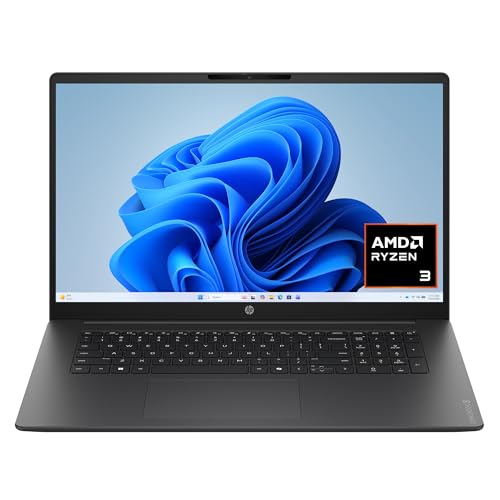
Budget Big-Screen Pick – HP OmniBook 3 17.3-Inch
The HP OmniBook 3 is a practical choice in laptops for programming if you want a large screen and straightforward specs without paying for extra power you may not need. Its 17.3-inch FHD IPS panel gives you plenty of room for code, docs, and browser tabs, while the Ryzen 3 processor, 8GB LPDDR5 RAM, and 512GB SSD cover everyday development tasks, school work, and light multitasking.
Best For: Students and casual programmers who want a roomy display for everyday coding and general use.
Pros:
- Large 17.3-inch Full HD IPS display with anti-glare coating
- 512GB PCIe NVMe SSD and 8GB LPDDR5 memory
- Up to 14 hours and 15 minutes of battery life listed
- Wi-Fi 6, Bluetooth 5.4, and a 1080p FHD camera with HDR auto-switch
Cons:
- Ryzen 3 processor is suitable for everyday use, not heavier development workloads
- 8GB RAM may feel tight for large projects or many containers and tabs
This is the most screen-first option here, making it appealing if you mainly want space and battery life rather than maximum speed. For lighter programming workloads, it offers a sensible balance of size, storage, and portability.
Business Productivity Pick – Lenovo ThinkPad T14 Gen 6
The Lenovo ThinkPad T14 Gen 6 is a strong fit for laptops for programming when you want a compact business machine with modern performance and excellent connectivity. It pairs an Intel Core Ultra 7 255U with 32GB of DDR5 RAM and a 1TB SSD, plus a 14-inch FHD+ IPS anti-glare display and dual Thunderbolt 4 ports for docking, external monitors, and fast accessory support.
Best For: Programmers and business users who want a reliable 14-inch laptop for multitasking, meetings, and external monitor setups.
Pros:
- Intel Core Ultra 7 255U with 32GB DDR5 RAM and 1TB SSD
- 14-inch FHD+ IPS anti-glare display with up to 3 external monitor support
- Two Thunderbolt 4 ports, HDMI, Ethernet, Wi-Fi 6E, and Bluetooth 5.3
- Backlit keyboard, fingerprint reader, 5MP webcam, and privacy shutter
Cons:
- 60Hz display and integrated graphics are more practical than flashy
- Smaller 14-inch screen may feel cramped for users who prefer lots of visual workspace
For developers who split time between code, meetings, and desk setups, this ThinkPad offers a very balanced feature set. It does not chase gaming-style extras, but it delivers the business-focused essentials that matter most for productive programming.
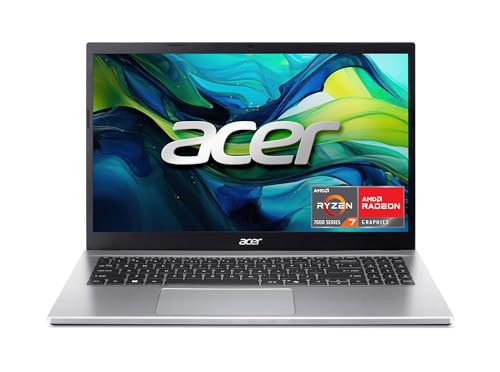
AI-Ready Everyday Performance – Acer Aspire Go 15 for reliable multitasking
If you want laptops for programming that stay responsive through coding, browsing, and calls, the Acer Aspire Go 15 is a practical pick. Its Ryzen 7 7730U, 16GB of memory, and 512GB PCIe Gen4 SSD give it enough headroom for everyday development work, while the 15.6-inch FHD IPS display keeps text and windows easy to read.
Best For: Students and programmers who want a balanced, budget-friendly machine for coding, multitasking, and everyday productivity.
Pros:
- AMD Ryzen 7 7730U and 16GB RAM support smooth multitasking
- 512GB PCIe Gen4 SSD helps with fast boot and app loading
- 15.6-inch 1080p IPS display offers a sharp workspace for code
- Wi-Fi 6, HDMI 2.1, and USB-C improve day-to-day connectivity
Cons:
- Integrated graphics are fine for productivity, not heavy creative work
- 1080p panel is practical rather than especially premium
Overall, this Aspire Go 15 is a straightforward choice for developers who value dependable performance and useful ports over extras. It covers the essentials well for programming without pushing into a higher price tier.
Power-User Coding Machine – ASUS Vivobook 16X for demanding workloads
Among laptops for programming, the ASUS Vivobook 16X stands out if you need extra CPU muscle for heavier multitasking, builds, or design-adjacent work. The Intel Core i9-13900H, 16GB of DDR4 memory, and 1TB SSD create a strong base, while the 16-inch 1920 x 1200 anti-glare display gives you more vertical room for code and documents.
Best For: Developers who want a high-performance Windows laptop for intensive coding, multitasking, and larger local projects.
Pros:
- Intel Core i9-13900H offers strong performance for demanding tasks
- 16GB RAM and 1TB SSD support multitasking and ample storage
- 16-inch 16:10 anti-glare display provides useful workspace for code
- Backlit keyboard, fingerprint reader, and Wi-Fi 6E add convenience
Cons:
- Integrated graphics limit it for graphics-heavy workloads
- Battery life is listed at 6 hours, so portability is moderate
This Vivobook is the strongest performance option in the group for users who regularly run heavier tools or multiple apps at once. It is a good fit when coding speed and storage matter more than a lightweight build.
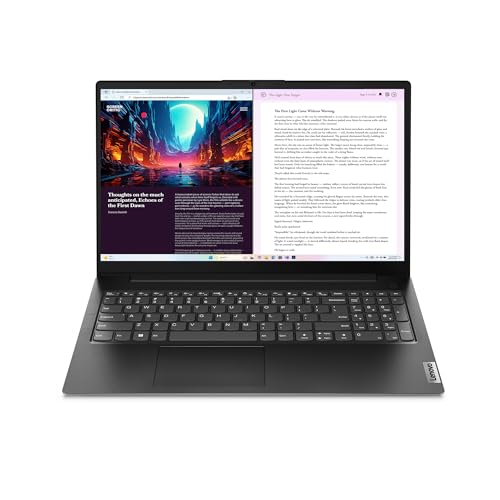
Budget Business Workhorse – Lenovo V15 Gen 4 for practical coding
If you are shopping for laptops for programming on a tighter budget, the Lenovo V15 Gen 4 focuses on the essentials that matter most. The Ryzen 5 7430U, 8GB RAM, and 512GB SSD are enough for everyday coding, web-based tools, and general productivity, while the 15.6-inch FHD IPS anti-glare screen makes long sessions easier on the eyes.
Best For: Entry-level developers and budget-conscious buyers who need a dependable work laptop for coding and school tasks.
Pros:
- Ryzen 5 7430U delivers quiet, efficient everyday performance
- 512GB SSD provides solid baseline storage for apps and files
- Anti-glare FHD IPS display with 300 nits suits long work sessions
- Good port selection includes USB-C, HDMI, ethernet, and USB-A
Cons:
- 8GB RAM may feel limited for heavier multitasking
- Integrated graphics are basic and not meant for demanding visuals
The V15 Gen 4 is a sensible business-style laptop for programming if you want dependable core features without paying for excess power. It is best suited to lighter dev work, coursework, and everyday office tasks.
How We Picked These Laptops for Programming
We focused on the features developers notice most day to day: CPU performance, memory capacity, storage speed, display quality, portability, and overall build practicality. We also gave preference to configurations that are better suited to Laptops for Programming over general-use models, especially those with at least 16GB of RAM or strong upgrade potential.
Quick Comparison: What Matters Most
Fast processors help with compiling, IDE performance, containers, and running local tools. More RAM matters for browser tabs, code editors, virtual machines, and databases. A 1TB SSD is ideal if you keep multiple projects locally. Screen size and resolution affect comfort, especially for long coding sessions, while lighter 14-inch systems are easier to carry.
Key Buying Factors for Laptops for Programming
Processor and Core Count
For general development, modern Intel Core Ultra, Core i7/i9 H-series, and Ryzen 7-class chips provide a strong balance of speed and efficiency. If you work with larger builds, Android development, data tools, or multiple containers, aim higher rather than settling for entry-level CPUs.
RAM and Storage
16GB is the practical starting point for most developers, while 32GB is a better long-term choice. For storage, 512GB can work for lighter workflows, but 1TB gives you room for SDKs, source trees, and project archives without constant cleanup.
Display and Keyboard Comfort
A 14- to 16-inch IPS display with at least Full HD resolution is a smart baseline. Higher-resolution panels can make text look sharper and increase workspace. A comfortable keyboard, good key travel, and a trackpad that feels precise are also important when you code for hours.
Battery Life, Ports, and Connectivity
Look for USB-A and USB-C support, HDMI if you use external monitors, and Wi-Fi 6 or better for stable networking. Battery life matters if you code away from a desk, but performance and thermals should still come first for most developers.
Who Should Buy Which Laptops for Programming?
If you want the best all-around option, choose a higher-RAM business laptop with a modern Intel or Ryzen processor. If portability matters most, a 14-inch model is usually the sweet spot. If you need more screen space for side-by-side windows, go with a 15.6- or 16-inch laptop. Budget-conscious buyers can still find solid Laptops for Programming, but should prioritize RAM and SSD speed before flashy extras.
In short, the best choice is the one that matches your workflow: lightweight coding, serious multitasking, or long-term power for demanding development work.