Choosing among projector screens for cinemascope means looking beyond diagonal size. Aspect ratio, screen material, installation style, viewing distance, and room lighting all affect how convincingly a screen presents widescreen films.
This roundup compares fixed-frame, motorized, pull-down, portable, outdoor, and DIY-ready options so you can match the screen to your projector, room, and viewing habits.
Best 10 Projector Screens for Cinemascope Picks for 2026
Best Fixed-Frame Pick
Silver Ticket STR 120-Inch 16:9 Screen

- 120-inch, 1.1-gain white viewing surface
- 160-degree viewing angle and velvet-wrapped frame
- Supports Full HD, 4K/8K, and active 3D
Best For: Dedicated wall-mounted home theaters
Best Portable Option
PropVue 100-Inch Tripod Projection Screen
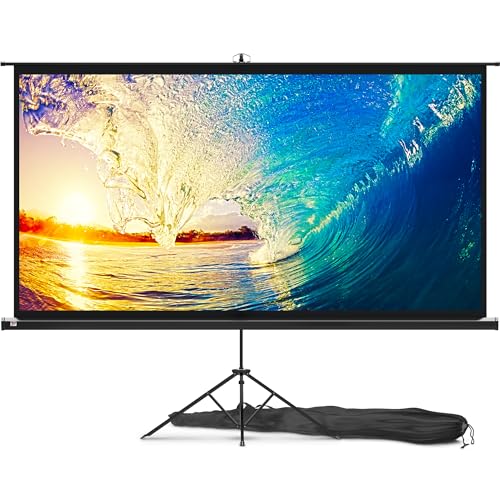
- 100-inch 16:9 screen with 1.1-gain reflection
- Adjustable, wide-leg tripod stand
- Retractable design for indoor or outdoor use
Best For: Portable movie nights and presentations
Best Motorized Upgrade
Elite Screens 125-Inch Electric 16:9 Screen

- 125-inch motorized screen with 1.1-gain MaxWhite 2 material
- IR/RF remotes and programmable drop position
- 4K/8K-ready claims with a 180-degree viewing angle
Best For: Permanent standard-throw home theater setups
Best for Ambient Light
SilverMagic 120-Inch ALR Screen Material

- 70% ambient-light rejection for brighter rooms
- Up to 2.7X center-seat gain
- Trim-to-fit material for DIY frames or walls
Best For: Standard-throw projectors in rooms with ambient light
Reliable Manual Pick
Elite Screens Manual B 100-Inch

- 4K, 8K, and active 3D-ready MaxWhite 2 material
- 180° viewing angle with 1.1 gain
- 2-inch interval auto-lock height adjustment
Best For: Home theaters needing a dependable manual 16:9 screen
Portable Outdoor Choice

- 150-inch 16:9 viewing area for group movie nights
- Foldable 2.8-pound design for travel
- Washable fabric with a 160° viewing angle
Best For: Outdoor entertainment and portable large-screen setups
Versatile Retractable Value
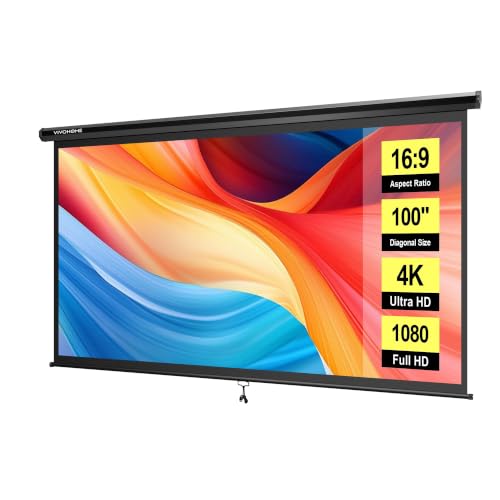
- Manual self-locking pull-down operation
- Supports 3D, 1080p, 4K, and 8K content
- Waterproof PVC surface with wall or ceiling mounting
Best For: Multipurpose rooms needing a flexible retractable screen
Flexible Big-Screen Pick
150-Inch Foldable Projection Screen
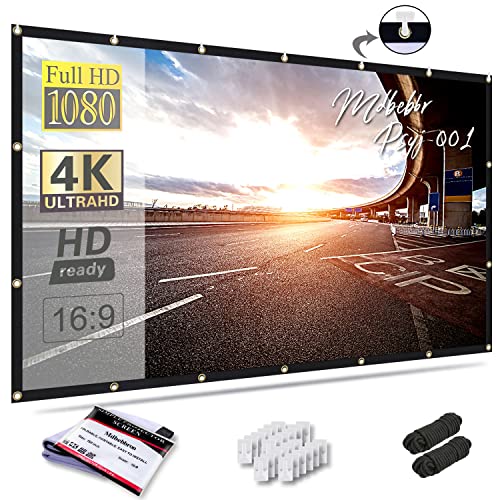
- Large 150-inch 16:9 viewing area
- Lightweight, washable, foldable polyester
- Supports front and rear projection
Best For: Large temporary home, office, or outdoor setups
Portable Stand Choice
120-Inch Screen with Carry Bag

- Freestanding 120-inch 16:9 design
- Weighted chassis and all-iron bracket
- Foldable, washable screen supports dual projection
Best For: Portable indoor and outdoor movie nights
Wind-Ready Outdoor Pick

- Stakeable weighted base for outdoor use
- Includes four stakes and two windproof ropes
- Tool-free setup with wrinkle-resistant screen
Best For: Backyards, camping, and windy outdoor events
Best Fixed-Frame Pick – Silver Ticket STR 120-Inch 16:9 Screen
For a dedicated home theater, the Silver Ticket STR is a practical choice among projector screens for cinemascope-style viewing setups that use a native 16:9 projector. Its fixed aluminum frame, black velvet border, and wide viewing angle are designed for a clean, cinema-like installation.
Best For: Wall-mounted home theaters using long-, short-, or ultra-short-throw projectors, with the compatibility notes checked first.
Pros:
- 120-inch diagonal viewing area with a 1.1-gain white surface.
- 160-degree viewing angle with no stated resolution loss at different angles.
- Heavy-duty aluminum frame wrapped in light-absorbing black velvet.
- Supports Full HD, 4K/8K, and active 3D projection.
Cons:
- Wall mounting is required; legs or a stand are not available for this product.
- The standard white material is not acoustically transparent.
- Some ultra-short-throw projectors may not be compatible with the STR frame.
The STR-169120 is strongest when you want a permanent, polished screen installation and broad seating flexibility. Confirm the projected image size and UST compatibility before ordering.
Best Portable Option – PropVue 100-Inch Tripod Projection Screen
The PropVue 100-inch screen is a flexible option for projector screens for cinemascope-style movie nights when portability matters more than a permanent installation. Its adjustable tripod, carrying bag, and indoor/outdoor design make it easy to move between rooms or venues.
Best For: Movie nights, presentations, classrooms, churches, offices, and backyard viewing where quick setup is important.
Pros:
- 100-inch 16:9 screen with 1.1-gain reflection and a 160-degree viewing angle.
- Adjustable height tripod with wide legs for added stability.
- Retractable design assembles in three steps and includes a fitted carrying bag.
- Suitable for indoor and outdoor use.
Cons:
- A tripod setup is less permanent than a fixed-frame screen.
- At 17.6 pounds, it is portable but not especially lightweight.
- The listed screen format is 16:9 rather than a dedicated cinemascope aspect ratio.
This is the practical pick for users who need one screen for multiple locations. The stand and adjustable height add versatility, while the 16:9 format keeps it suited to standard HD movie and presentation content.
Best Motorized Upgrade – Elite Screens 125-Inch Electric 16:9 Screen
For a more convenient theater installation, the Elite Screens Spectrum RC1 provides a motorized alternative among projector screens for cinemascope-style home viewing. Its 125-inch 16:9 format, remote controls, programmable drop position, and wall- or ceiling-mount design support a clean, retractable setup.
Best For: Permanent home theater or media-room installations using standard-throw UHD or HD projectors.
Pros:
- Large 125-inch diagonal screen with a 1.1-gain MaxWhite 2 surface.
- Motorized operation with IR and RF remotes.
- 180-degree viewing angle and support for 4K Ultra HD and active 3D projection.
- Fully assembled with included installation hardware and a two-year manufacturer warranty.
Cons:
- Not compatible with short-throw or ultra-short-throw projectors.
- Requires wall or ceiling installation and electrical setup.
- The 16:9 aspect ratio is not a native cinemascope format.
The ELECTRIC125H2 is a strong fit when retractability and remote operation are priorities. Its standard-throw limitation is important, so verify projector compatibility before choosing it for a theater system.
Best for Ambient Light – SilverMagic 120-Inch ALR Screen Material
The SilverMagic gray ALR material is worth considering when room lighting makes conventional projector screens for cinemascope-style viewing look washed out. Designed for standard-throw projectors, it uses ambient-light rejection and center-seat brightness enhancement to improve contrast in brighter spaces.
Best For: Standard-throw projector owners building a custom wall-mounted or DIY frame screen in rooms with daylight or lights on.
Pros:
- Claims to suppress 70% of ambient light for improved contrast.
- Up to 2.7X gain from center seats, within the stated viewing area.
- Can be installed on a wall or frame and trimmed to fit.
- Includes thumbtacks, nails, and black velvet material for installation.
Cons:
- Not suitable for ultra-short-throw projectors.
- The 30-degree viewing angle is considerably narrower than wide-angle white screens.
- Brightness may be lower than a normal gray screen from farther seats.
This material is a specialized choice for brighter rooms and center-seat viewing. Its narrow angle and standard-throw limitation make seating layout and projector compatibility especially important.
Reliable Manual Pick – Elite Screens Manual B 100-Inch
For shoppers comparing projector screens for cinemascope, this 100-inch Elite Screens model is a practical fixed-format option for standard 16:9 home theater setups. Its MaxWhite 2 material supports 4K, 8K, and active 3D projection, while the manual pull-down design allows flexible height positioning.
Best For: Home theaters and presentation spaces that need a durable, manually adjustable 16:9 screen.
Pros:
- 100-inch diagonal image with an 87.2-by-49-inch viewing area
- MaxWhite 2 surface supports 4K, 8K, and active 3D projection
- 180-degree viewing angle and 1.1 gain
- Auto-lock mechanism offers height adjustment at 2-inch intervals
Cons:
- Manual operation requires reaching the screen to adjust it
- Its 16:9 format may not suit viewers seeking a native cinemascope aspect ratio
- Optional L brackets are sold separately
This screen stands out for its certified material, broad viewing angle, and established warranty and support. It is a solid choice when you want a straightforward retractable screen, but cinemascope content may require masking or accepting unused screen space.
Portable Outdoor Choice – AAJK 150-Inch Foldable Screen
This AAJK model is worth considering if you need projector screens for cinemascope-style movie nights in flexible locations. The 150-inch, 16:9 fabric screen is lightweight, foldable, washable, and designed for wall, hook, bracket, nail, or tape mounting.
Best For: Outdoor movie nights, parties, travel, and large casual viewing setups where portability matters.
Pros:
- Large 150-inch diagonal format with a 132-by-72-inch viewing area
- Lightweight 2.8-pound foldable design for carrying in a backpack or suitcase
- Washable, nontransparent fabric is described as crease-free
- 160-degree viewing angle supports group viewing
Cons:
- 16:9 format is not a native cinemascope ratio
- Wall-mounted setup relies on separate fastening methods rather than an integrated frame
- Warranty coverage is listed as 30 days
With its expansive image area and very low weight, this screen favors convenience over a permanent theater installation. It is a flexible option for shared entertainment, though users should plan how they will secure it and manage widescreen cinema content.
Versatile Retractable Value – VIVOHOME 100-Inch Screen
For projector screens for cinemascope comparisons, the VIVOHOME 100-inch model offers a convenient manual retractable design for home theaters, classrooms, meeting rooms, and gaming spaces. Its matte white PVC surface is rated for 3D, 1080p, 4K, and 8K content, with wall- or ceiling-mount flexibility.
Best For: Multipurpose rooms needing a roll-up screen with flexible mounting and easy storage.
Pros:
- 100-inch diagonal display with an 87-by-49-inch image area
- Self-locking pull-down mechanism holds the screen at different heights
- 160-degree viewing angle and matte surface help provide uniform viewing
- Three-layer waterproof PVC fabric is wipe-clean and designed to resist creases
Cons:
- Mounting screws and L brackets are not included
- 16:9 format may leave unused space with cinemascope material
- A temporary odor may be noticeable after opening
This is a practical all-rounder for buyers who want retractability, broad format support, and wall or ceiling installation. Its manual design keeps operation simple, while the supplied dimensions make room planning important before purchase.
Flexible Big-Screen Pick – 150-Inch Foldable Projection Screen
For shoppers comparing projector screens for cinemascope-style movie setups, the Mdbebbron 150-inch screen offers a large 16:9 viewing surface without a permanent frame. Its lightweight, foldable polyester design works for home theaters, presentations, and outdoor viewing.
Best For: Buyers who want the largest screen here with flexible wall, indoor, or outdoor mounting options.
Pros:
- Large 150-inch diagonal viewing area measuring about 130 by 73 inches.
- Foldable, lightweight two-pound design is easy to store and carry.
- Supports front and rear projection with a 160-degree viewing angle.
- Washable polyester material is designed to resist creasing and simplify maintenance.
Cons:
- Requires separate hooks, ropes, tape, nails, or a bracket for installation.
- Its 16:9 ratio may not precisely match every cinemascope-format movie.
This is the most space-efficient choice for a very large image, but it suits buyers comfortable creating their own mounting arrangement rather than using a freestanding frame.
Portable Stand Choice – 120-Inch Screen with Carry Bag
The STWUI 120-inch screen is a practical option among projector screens for cinemascope viewing when portability and a freestanding setup matter. Its floor-mounted frame is designed for indoor or outdoor movie nights and packs into the included carry bag.
Best For: Families and travelers who want a freestanding screen for camping, backyards, offices, or events.
Pros:
- Includes an all-iron stand and weighted, lengthened chassis intended to improve stability.
- Foldable, washable milk-silk material supports front and rear projection.
- 160-degree viewing angle accommodates group viewing.
- Carry bag and tool-free removable beam support easier transport and setup.
Cons:
- At 120 inches, it provides less image area than the 150-inch alternative.
- The listed 30-day warranty is relatively short.
- Setup is advertised at about nine minutes rather than instant deployment.
Choose this model if a stand is more important than maximum size. The improved chassis and portable design make it a convenient general-purpose screen, though its smaller image and short warranty are worth noting.
Wind-Ready Outdoor Pick – 120-Inch Stake-Down Screen
For outdoor projector screens for cinemascope-style group viewing, this STWUI model emphasizes ground stability. It combines a widened stakeable base, steel frame, windproof ropes, and a wrinkle-resistant screen in a package that can be transported in its carry bag.
Best For: Backyard, camping, and event use where added wind resistance and a secure floor-mounted frame are priorities.
Pros:
- Widened base includes ground-stake holes to help secure the screen without heavy sandbags.
- Four stakes and two windproof ropes add support in windy conditions.
- Elastic milk-silk screen supports front and rear projection with a 160-degree viewing angle.
- Modular frame assembles without tools in about eight minutes and stores in the included bag.
Cons:
- Requires suitable ground for stakes when used outdoors.
- The 120-inch screen is smaller than the 150-inch foldable option.
- The listed warranty is limited to 30 days.
This is the strongest fit for outdoor buyers who want more than a basic lightweight stand. Its base, stakes, and ropes add practical stability, while the 120-inch format remains manageable to transport.
How We Picked These Projector Screens for Cinemascope
We selected these screens across several common use cases: dedicated home theaters, multipurpose rooms, outdoor movie nights, portable presentations, and custom installations. Our comparison emphasizes screen format, advertised image quality, mounting or setup method, portability, material characteristics, and the practical trade-offs of each design.
Because the listed models are primarily 16:9 screens, buyers planning frequent 2.35:1 or 2.39:1 viewing should confirm how the screen handles unused image area. A cinemascope-compatible setup may require masking, lens memory, or a projector with zoom and positioning controls.
Quick Comparison
| Screen type | Best suited for | Main advantage | Watch for |
|---|---|---|---|
| Fixed-frame | Dedicated theater rooms | Flat, consistently tensioned surface | Permanent wall space |
| Motorized or pull-down | Living rooms and offices | Retracts when not in use | Ceiling or wall mounting requirements |
| Portable with stand | Flexible indoor or outdoor viewing | Easy relocation | Wind, wrinkles, and setup time |
| Foldable outdoor screen | Large gatherings and travel | Large image with compact storage | Creasing and anchoring |
| DIY or ALR material | Custom installations | Flexible sizing and light control | Requires careful framing and installation |
Key Buying Factors for Projector Screens for Cinemascope
Aspect Ratio and Masking
A 16:9 screen is versatile for television, gaming, and standard widescreen content, but cinemascope films display as a wider image. For a more polished presentation, consider a screen or installation that supports side masking, adjustable framing, or projector lens-memory features.
Screen Size and Viewing Distance
Larger is not automatically better. Choose a size that keeps the image comfortable and detailed from your seating position. A 100- to 120-inch screen can suit many rooms, while 150-inch models need adequate throw distance, brightness, and viewing space.
Gain, Ambient Light, and Viewing Angle
Standard white material is usually the safest choice in a dark room and offers broad viewing angles. Higher-gain or ambient-light-rejecting material can improve perceived brightness and contrast, but it may narrow the ideal viewing area or introduce more visible performance differences across the screen.
Installation and Surface Quality
Fixed frames generally provide the flattest surface. Pull-down screens save space but can develop waves, while portable models may show wrinkles unless carefully tensioned. Outdoor screens also need reliable stakes, tie-downs, or ballast.
Who Should Buy Which Projector Screens for Cinemascope?
Choose a fixed-frame model for a dedicated cinema room and the most uniform surface. Pick a motorized or manual retractable screen when the room has multiple purposes. Portable stand-based screens are convenient for quick indoor setups, presentations, and occasional backyard use. Foldable 150-inch screens make sense for large outdoor audiences, provided you can anchor them securely.
If your projector operates in a bright room, investigate ALR material and verify compatibility with its throw type. For true cinemascope presentation, prioritize a flexible installation with masking or projector zoom controls rather than choosing solely by diagonal measurement.