The right AV receiver can simplify your entire home theater by routing video, powering speakers, and delivering immersive surround sound through one central component. eARC adds higher-bandwidth audio return from compatible TVs, making it especially useful for streaming apps and modern gaming setups.
These 10 receivers cover a range of room sizes, speaker configurations, budgets, and feature priorities. Before choosing, consider your display, source devices, speaker layout, and whether you need advanced calibration or multiroom streaming.
Best 10 Av Receiver with Earc Picks for 2026
Premium Bundle Pick
Yamaha RX-A2A with AudioQuest SKY Cable

- 7.2 channels at 100 watts per channel
- 8K/60Hz and 4K/120Hz passthrough
- Includes 3-meter 48 Gbps eARC cable
Best For: Gaming and home theater buyers wanting a receiver-and-cable bundle
Compact Atmos Choice
Sony STR-DH790 7.2-Channel Receiver

- Dolby Atmos and DTS:X decoding
- 4K HDR with Dolby Vision support
- Low-profile design with room calibration
Best For: Space-conscious home theater setups
Most Versatile Connectivity
Yamaha RX-V6A 7.2-Channel Receiver

- eARC with HDMI 2.1 video support
- Dolby Atmos and DTS:X processing
- Wi-Fi, AirPlay 2, MusicCast, and voice control
Best For: Connected gaming, streaming, and multi-room systems
Best 5.2-Channel Value

- 5.2 channels at 75 watts per channel
- 8K/60Hz, 4K/120Hz, and eARC support
- HEOS, Wi-Fi, Bluetooth, and voice control
Best For: Smaller modern home theater systems
Balanced Home Cinema Pick
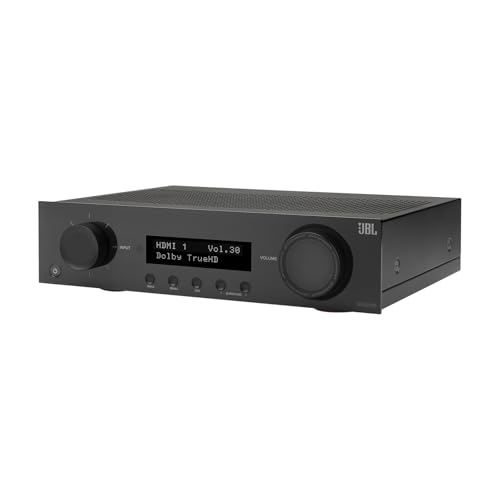
- 5.2-channel surround with 75 watts per channel
- 8K video support with eARC
- Bluetooth, AirPlay 2, and Chromecast streaming
Best For: Compact movie, music, and gaming systems
Simple 8K Gaming Choice

- 5.2-channel output at 70 watts
- Four HDMI 2.1 8K inputs plus eARC
- VRR, QFT, HDR, and Bluetooth streaming
Best For: Gaming-focused 5.2-channel home theaters
Expandable Gaming and Atmos Pick

- 7.2-channel surround at 80 watts
- eARC supports Dolby Atmos and DTS:X
- 4K/120Hz, VRR, ALLM, and QFT gaming features
Best For: Expandable gaming and immersive-audio systems
Best Connected Starter

- eARC with 4K/120 and 8K/60 HDMI support
- YPAO room calibration included
- Wi-Fi, AirPlay 2, MusicCast, and voice control
Best For: Compact home theaters and connected streaming setups
Best Premium Expansion

- 9.4-channel platform for expansive theaters
- 10 HDMI ports for extensive connectivity
- Dolby Atmos, DTS:X, and HEOS streaming
Best For: Large, customizable home theater systems
Best for Immersive Gaming

- eARC with 4K/120 and 8K/60 HDMI
- Dolby Atmos and DTS Virtual:X support
- Bluetooth Multipoint and automatic calibration
Best For: Gaming and mixed-use 5.2-channel home theaters
Premium Bundle Pick – Yamaha RX-A2A with AudioQuest SKY Cable
Yamaha RX-A2A AVENTAGE 7.2 Channel AV Receiver with AudioQuest SKY 3m HDMI Cable
Check Price On AmazonIf you want an av receiver with earc and next-generation video support, this Yamaha AVENTAGE bundle combines a 7.2-channel receiver with a 48 Gbps AudioQuest SKY HDMI cable. It delivers 100 watts per channel and supports 8K/60Hz and 4K/120Hz passthrough, with some capabilities requiring a future firmware update.
Best For: Buyers seeking a bundled receiver and premium high-bandwidth HDMI cable for gaming and home theater.
Pros:
- 7.2-channel amplification rated at 100 watts per channel.
- Supports 8K/60Hz and 4K/120Hz video passthrough.
- Includes a 3-meter AudioQuest SKY 48 Gbps HDMI cable with eARC.
- Offers MusicCast, Wi-Fi, streaming services, and voice control compatibility.
Cons:
- Some listed video features require a future firmware update.
- The included premium cable may add cost if you already own a suitable HDMI cable.
This is a strong all-in-one choice for a modern gaming and theater setup, especially if you need a long, high-bandwidth HDMI cable alongside the receiver.
Compact Atmos Choice – Sony STR-DH790 7.2-Channel Receiver
Sony STR-DH790 7.2-ch Surround Sound Home Theater AV Receiver: 4K HDR, Dolby Atmos & Bluetooth Black
Check Price On AmazonThe Sony STR-DH790 is a practical av receiver with earc for shoppers prioritizing Dolby Atmos, DTS:X, and 4K HDR in a compact chassis. Its low-profile design, automatic calibration, and Bluetooth streaming make it well suited to straightforward home theater systems.
Best For: Compact 7.2-channel home theaters that need immersive surround formats and 4K HDR passthrough.
Pros:
- Supports Dolby Atmos and DTS:X object-based surround sound.
- Provides 4K HDR passthrough with Dolby Vision, HDR10, and Hybrid Log Gamma.
- Digital Cinema Auto Calibration adjusts audio for the room.
- Low-profile 5.25-inch-tall design fits many AV cabinets.
Cons:
- Offers four HDMI inputs and one HDMI output, fewer than the Yamaha models here.
- Wireless connectivity is listed as Bluetooth rather than Wi-Fi-based streaming.
Choose this Sony when cabinet space and immersive audio matter more than extensive network features or 8K video support.
Most Versatile Connectivity – Yamaha RX-V6A 7.2-Channel Receiver
The Yamaha RX-V6A is a flexible av receiver with earc for systems that combine gaming, streaming, and multi-room audio. It offers multiple HDMI inputs, including HDMI 2.1 features, plus Dolby Atmos, DTS:X, MusicCast, AirPlay 2, Wi-Fi, and voice control.
Best For: Connected home theaters needing broad streaming support, gaming features, and multi-room expansion.
Pros:
- Provides seven HDMI inputs and one output, including HDMI 2.1 inputs supporting 8K/60Hz and 4K/120Hz formats.
- Supports eARC, Dolby Atmos, Dolby Atmos with Height Virtualization, and DTS:X.
- Includes Wi-Fi, Bluetooth, AirPlay 2, Spotify Connect, MusicCast, and voice control.
- YPAO R.S.C. and multipoint calibration help tailor sound to the room.
Cons:
- Its extensive feature set may be more than needed for a basic TV-and-speaker setup.
- Rated output is 100 watts per channel, so larger systems may require careful speaker matching.
With its combination of eARC, HDMI 2.1 support, streaming platforms, and multi-room features, the RX-V6A is one of the most adaptable options in this group.
Best 5.2-Channel Value – Denon AVR-S670H 8K Receiver
The Denon AVR-S670H is a focused av receiver with earc for smaller surround systems. Its five-channel, 75-watt-per-channel design supports 8K/60Hz, 4K/120Hz, HDR formats, gaming features, and ARC/eARC TV audio connectivity.
Best For: Smaller 5.2-channel home theaters that want 8K video, eARC, streaming, and voice control.
Pros:
- Supports 8K/60Hz and 4K/120Hz passthrough with VRR, ALLM, QFT, and related gaming features.
- Includes HDMI ARC/eARC connectivity for TV audio through the receiver.
- Handles Dolby Vision, HDR10+, HLG, HDR, and Dynamic HDR.
- Offers HEOS, Wi-Fi, Bluetooth, Spotify, TIDAL, and voice control compatibility.
Cons:
- Five channels provide less expansion than the 7.2-channel receivers in this roundup.
- Its 75-watt-per-channel rating is lower than the Yamaha models listed here.
This Denon makes sense when you want current video and gaming features without moving to a larger 7.2-channel system.
Balanced Home Cinema Pick – JBL MA510
The JBL MA510 is a practical AV receiver with eARC for a compact home theater, combining 5.2-channel surround sound, 8K video support, and straightforward connections for a TV, console, streaming device, or cable box. Its Bluetooth, AirPlay 2, and Chromecast options also make it useful for everyday music listening.
Best For: Buyers building a balanced 5.2-channel system for movies, music, and connected home entertainment.
Pros:
- Supports 8K video and eARC through its HDMI connectivity.
- Native decoding for Dolby and DTS formats.
- Includes Bluetooth, Apple AirPlay 2, and Google Chromecast streaming.
- EZ Set EQ and on-screen setup help simplify installation.
Cons:
- Its five-channel design is less expandable than a 7.2-channel receiver.
- The supplied notes list four HDMI inputs and one output, limiting larger setups.
The MA510 stands out when you want modern video support and wireless music features without moving beyond a conventional 5.2-channel layout. It is a sensible fit for a focused, easy-to-manage entertainment system.
Simple 8K Gaming Choice – Denon AVR-S570BT
The Denon AVR-S570BT is an AV receiver with eARC aimed at straightforward 5.2-channel home theater setups. It provides four HDMI 2.1 8K inputs, gaming-focused features such as VRR and QFT, and Bluetooth streaming, while its on-screen setup assistant helps guide first-time installation.
Best For: Gamers and movie viewers who want 8K-capable HDMI connections and simple setup in a 5.2-channel receiver.
Pros:
- Four HDMI 2.1 inputs support 8K video and eARC.
- Includes VRR, QFT, and HDR support for compatible gaming and displays.
- Supports Dolby TrueHD, DTS-HD Master Audio, and 5.1 surround sound.
- Offers Bluetooth and streaming access to services including Spotify, TIDAL, and Pandora.
Cons:
- Its five-channel configuration offers less expansion than a 7.2-channel model.
- Wireless audio connectivity is centered on Bluetooth rather than built-in network streaming.
With multiple HDMI 2.1 inputs and gaming-oriented video features, the AVR-S570BT is particularly convenient for systems with several modern sources. Choose it when easy control and 8K connectivity matter more than a larger speaker layout.
Expandable Gaming and Atmos Pick – Onkyo TX-NR5100
The Onkyo TX-NR5100 is a flexible AV receiver with eARC for shoppers who want a 7.2-channel system and gaming-friendly HDMI features. It supports 8K video, 4K/120Hz HDR pass-through, VRR, ALLM, and QFT, while eARC can carry high-bitrate formats from compatible TV apps.
Best For: Gamers and home theater builders who need 7.2-channel expansion and immersive audio support.
Pros:
- 7.2-channel configuration provides more expansion than five-channel alternatives.
- eARC supports Dolby Atmos, DTS:X, DTS-HD Master Audio, and Dolby TrueHD.
- Gaming features include 4K/120Hz HDR pass-through, VRR, ALLM, and QFT.
- Includes Chromecast built-in, AirPlay 2, DTS Play-Fi, and Bluetooth.
Cons:
- The supplied notes list four HDMI ports, which may limit source-heavy setups.
- At 80 watts per channel, system matching still requires attention to speaker requirements.
The TX-NR5100 is the strongest fit here for buyers planning a more expandable surround system or prioritizing gaming responsiveness. Its eARC support and broad immersive-audio compatibility also suit TVs used as the main source.
Best Connected Starter – Yamaha RX-V4A
The Yamaha RX-V4A is a practical AV receiver with eARC for compact home theaters, gaming setups, and wireless music. Its 5.2-channel design combines HDMI 2.1 support, 4K/8K video capability, MusicCast streaming, and automatic YPAO room calibration.
Best For: Buyers who want a versatile 5.2-channel receiver with eARC, wireless streaming, and straightforward room correction.
Pros:
- Supports eARC, 4K/120, and 8K/60 HDMI features.
- Includes YPAO automatic room calibration.
- Offers Wi-Fi, Bluetooth, AirPlay 2, MusicCast, and broad streaming-service support.
- Works with Alexa, Google Assistant devices, and Siri through AirPlay 2.
Cons:
- Its five-channel configuration is less suited to larger, more elaborate surround systems.
- 80-watt output may be limiting for particularly demanding speakers or large rooms.
The RX-V4A is a well-rounded choice when eARC, next-generation HDMI support, and convenient wireless features matter more than extensive channel expansion.
Best Premium Expansion – Marantz Cinema 40
The Marantz Cinema 40 is a premium AV receiver with eARC aimed at enthusiasts building a substantial home theater. Its 9.4-channel platform, 10 HDMI connections, Dolby Atmos/DTS:X support, and HEOS built-in streaming provide room for a broad, customizable system.
Best For: Home theater enthusiasts who need extensive connectivity, higher-end tuning options, and support for large surround configurations.
Pros:
- Provides a 9.4-channel surround configuration with 110 watts of output power listed.
- Includes 10 HDMI ports for extensive source and display connectivity.
- Supports Dolby Atmos, DTS:X, Wi-Fi, voice control, and HEOS built-in streaming.
- Offers an intuitive on-screen setup process and accessible front-panel controls.
Cons:
- Its 39.6-pound weight and premium design make it a substantial installation.
- The extensive feature set may be more than needed for a basic five-channel system.
The Cinema 40 stands out for buyers who want a statement-level receiver with considerable expansion potential and a carefully tuned, customizable platform.
Best for Immersive Gaming – Yamaha RX300A
The Yamaha RX300A is a flexible AV receiver with eARC for users who want immersive sound and modern video support without moving beyond a 5.2-channel layout. Dolby Atmos, DTS Virtual:X, 4K/120 and 8K/60 HDMI, Bluetooth Multipoint, and automatic calibration make it well suited to mixed movie, music, and gaming use.
Best For: Gamers and everyday home theater users who want eARC, high-refresh-rate HDMI, immersive audio, and easy setup.
Pros:
- Supports HDMI eARC, 4K/120, 8K/60, Dolby Vision, and HDR10+.
- Provides Dolby Atmos and DTS Virtual:X with flexible 3.1.2-channel layouts.
- Includes automatic room calibration with the supplied setup microphone.
- Bluetooth Multipoint allows pairing two source devices for quick switching.
Cons:
- 70-watt output is more modest than some larger home theater receivers.
- The 5.2-channel layout offers less expansion than higher-channel models.
With gaming-focused HDMI features, immersive audio formats, and a guided setup process, the RX300A is a strong fit for a modern, easy-to-configure entertainment system.
How We Picked the Best Av Receiver with Earc
We focused on receivers that support current home theater essentials, including HDMI connectivity, 4K or 8K video support, HDR compatibility, and eARC for high-quality TV audio. We also considered channel count, Dolby Atmos and DTS:X support, wireless streaming, room-correction tools, power ratings, and upgrade flexibility.
Because “best” depends on the system, this selection includes compact 5.2-channel models, versatile 7.2-channel receivers, and premium options with more amplification and processing channels. Always confirm the exact HDMI features and firmware support before purchase, especially if you use 4K/120Hz gaming or multiple next-generation sources.
Quick Comparison
- Best for premium installations: Marantz Cinema 40, with extensive processing and a more advanced home theater platform.
- Best for flexible midrange systems: Yamaha RX-A2A, Yamaha RX-V6A, and Onkyo TX-NR5100.
- Best for straightforward 5.2-channel setups: Denon AVR-S670H, Denon AVR-S570BT, JBL MA510, and Yamaha RX-V4A.
- Best for an entry-level Atmos system: Sony STR-DH790.
- Best for a compact modern setup: Yamaha RX300A, particularly when Bluetooth multipoint and newer HDMI capabilities matter.
Key Buying Factors for an Av Receiver with Earc
Channel Count and Speaker Plans
A 5.2-channel receiver can power a conventional surround system with two subwoofers, while a 7.2-channel model gives you more flexibility for surround-back speakers or a 5.1.2 Dolby Atmos layout. Premium receivers may process substantially larger systems, but extra channels are only valuable if you plan to install the corresponding speakers.
HDMI, EARC, and Gaming Support
eARC sends lossless and object-based audio from a compatible TV to the receiver over HDMI. Check that both devices support eARC, and verify the receiver’s specific HDMI bandwidth if you need 4K at 120Hz, variable refresh rate, or other gaming features. An 8K label alone does not guarantee identical support across every input.
Audio Formats and Calibration
Dolby Atmos and DTS:X support help create overhead or height effects when paired with suitable speakers. Room correction can improve balance in difficult spaces, while independent subwoofer outputs and adjustable crossover settings make bass integration easier.
Streaming and Connectivity
Built-in Wi-Fi, Bluetooth, AirPlay, Chromecast, HEOS, or MusicCast can reduce the need for separate streaming hardware. Review the available ecosystem if you want whole-home audio or plan to add wireless-compatible products later.
Who Should Buy Which Av Receiver with Earc?
Choose a 5.2-channel model if you want an affordable, uncomplicated system for a living room or smaller media space. Step up to 7.2 channels if you want more speaker-placement options, additional HDMI flexibility, or room to expand. Premium buyers should prioritize processing capacity, calibration, preamp connectivity, and long-term installation flexibility rather than choosing solely by wattage.
For the best match, list your sources, TV requirements, speaker layout, and streaming preferences first. Then select the least expensive receiver that supports those needs with enough inputs and expansion room for your next upgrade.