The best condenser microphones can deliver detailed vocals, speech, instruments, and streams without requiring a professional studio. This roundup compares 10 strong options across USB, XLR, and hybrid setups.
Whether you are upgrading a podcast rig, building a home studio, or need a clearer gaming microphone, the right choice depends on connection type, room acoustics, controls, and your intended workflow.
Best 10 Condenser Microphones Picks for 2026
Best Value Studio Pick

- Cardioid pattern helps isolate the source
- Handles high SPL and wide dynamics
- Includes mount, adapter, and pouch
Best For: Project and home studios with an XLR interface
Best Vocal XLR Package

- Very low 4.5 dBA self-noise
- Tight cardioid pickup suits vocals
- Includes shock mount, pop filter, and cable
Best For: Vocalists and home studios using an audio interface
Best for Streaming Controls

- Clipguard 2.0 helps prevent distortion
- Auto Gain simplifies level setup
- Wave Link adds routing and effects
Best For: Streaming, gaming, and computer-based content creation
Best Plug-and-Play Pick
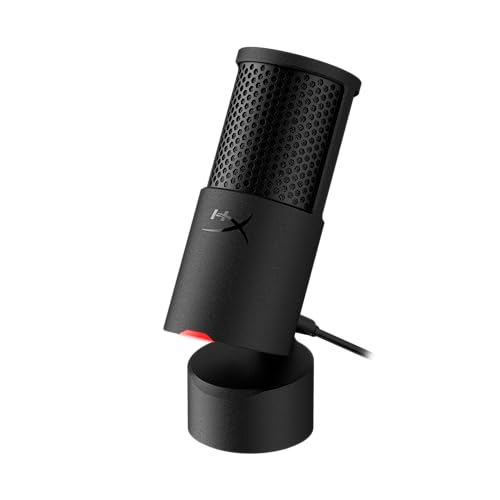
- 24-bit/96kHz USB recording
- Built-in pop filter and suspension system
- Tap-to-mute control with customizable filters
Best For: PC gaming, streaming, and simple desktop recording
Best Studio Hybrid

- XLR and USB-C connectivity
- Ultra-low-noise capsule with high SPL handling
- Includes shock mount, pop filter, and cables
Best For: Home studios, vocals, voiceovers, and instruments
Best Gaming Bundle
TONOR TC310+ Gaming Microphone

- Complete boom-arm microphone kit
- Tap mute and rotating gain control
- Customizable RGB lighting
Best For: Gaming, streaming, and content creation
Best Hybrid Setup
MAONO A04 Gen2 XLR/USB Condenser Microphone Kit

- USB and XLR connectivity
- 192kHz/24-bit USB recording
- Includes boom arm and recording accessories
Best For: Creators wanting USB convenience with an XLR upgrade path
Best Complete USB Kit
FIFINE T669 Studio Condenser USB Microphone

- Plug-and-play USB setup
- Includes boom arm and shock mount
- Double pop filter for spoken audio
Best For: Beginners building a computer-based podcast or streaming setup
Best Simple Desktop Pick
FIFINE K669B USB Condenser Microphone

- Plug-and-play USB connection
- Sturdy metal body with tripod
- Onboard volume control
Best For: Everyday meetings, gaming, streaming, and basic voice recording
Best Value Studio Pick – Audio-Technica AT2020
The Audio-Technica AT2020 is a practical entry point for condenser microphones in project and home studios. Its cardioid pattern helps reduce sound from the sides and rear, while high SPL handling and a wide dynamic range suit a variety of recording tasks.
Best For: Home-studio vocalists, musicians, and creators who already have an audio interface with phantom power.
Pros:
- Cardioid pickup improves isolation of the desired sound source.
- High SPL handling and wide dynamic range add recording versatility.
- Includes a stand mount, threaded adapter, and protective pouch.
Cons:
- Requires an XLR connection, audio interface, and phantom power.
- Does not include a USB connection for direct computer recording.
The AT2020 is a straightforward condenser microphone for building a traditional XLR recording setup. It is especially appealing when sound-source isolation and flexible studio use matter more than plug-and-play convenience.
Best USB All-in-One – RØDE NT-USB+
The RØDE NT-USB+ makes condenser microphones easy to use with computers, tablets, and smartphones. USB-C connectivity, zero-latency headphone monitoring, and included desktop accessories create a convenient setup for recording, podcasting, streaming, and calls.
Best For: Podcasters, streamers, and musicians who want studio-oriented audio without adding a separate interface.
Pros:
- USB-C connection works with computers and mobile devices.
- Headphone output provides zero-latency monitoring and useful controls.
- Includes a detachable pop filter and desktop stand.
- RØDE Central software adds APHEX audio processing options.
Cons:
- USB-only connectivity may not suit established XLR setups.
- Requires a corded connection rather than battery operation.
Choose the NT-USB+ when simplicity and monitoring are priorities. It delivers a complete desktop recording solution while retaining software-based processing options for users who want more control.
Best Vocal XLR Package – RØDE NT1 Signature
The RØDE NT1 Signature is a large-diaphragm condenser microphone designed around the familiar NT1 studio voicing. Its tight cardioid pattern focuses on vocals and rejects room sound, while the included shock mount, pop filter, and XLR cable make it a ready-to-record package once paired with an interface.
Best For: Vocal recording, streaming, and home-studio users who want a complete XLR accessory bundle.
Pros:
- Very low 4.5 dBA self-noise supports quiet recording.
- Tight cardioid pattern helps focus on the voice and reject the room.
- Includes SM6 shock mount, pop filter, XLR cable, and dust cover.
- Backed by a 10-year warranty with registration.
Cons:
- Needs an audio interface for connection and operation.
- Less convenient than a USB microphone for direct mobile or computer recording.
The NT1 Signature is a strong fit for singers and creators building an XLR-based vocal chain. Its low self-noise and included accessories reduce the number of additional purchases needed for a home setup.
Best for Streaming Controls – Elgato Wave:3 MK.2
The Elgato Wave:3 MK.2 combines a USB condenser microphone with built-in processing and hands-on controls. Clipguard 2.0, Auto Gain, onboard voice tools, and Wave Link software make it a practical option for streaming, gaming, video calls, and other computer-based recording.
Best For: Streamers, gamers, and creators who want easy level management, direct monitoring, and software-controlled effects.
Pros:
- USB-C setup works with laptops and PCs.
- Clipguard 2.0 helps prevent clipping, while Auto Gain simplifies calibration.
- Built-in dial, tap-to-mute control, and headphone output streamline operation.
- Wave Link supports routing, effects, and monitoring.
Cons:
- Its USB-focused design is less suited to traditional XLR studio chains.
- Advanced effects and routing depend on the Wave Link software workflow.
The Wave:3 MK.2 stands out among condenser microphones for creators who value immediate control over fine-tuning levels and effects manually. It is particularly well matched to live content where quick adjustments and clipping protection are useful.
Best Plug-and-Play Pick – HyperX SoloCast 2
The HyperX SoloCast 2 is a compact choice for anyone comparing condenser microphones for PC gaming, streaming, and voice recording. Its USB-C connection, built-in pop filter, internal shock-mount-style suspension, and weighted tiltable stand help keep setup simple.
Best For: PC gamers and streamers who want clear, focused vocal capture without adding separate accessories.
Pros:
- 24-bit/96kHz recording with a cardioid pattern for focused front-facing pickup.
- Built-in pop filter, suspension system, tiltable stand, and mic-arm threads.
- Tap-to-mute control with LED status indicator and USB plug-and-play setup.
- HyperX NGENUITY supports high-pass, low-pass, and voice-enhancement filters.
Cons:
- USB connectivity is aimed at computer setups rather than traditional XLR interfaces.
- Its compact desktop design may be less suitable for larger studio arrangements.
The SoloCast 2 is a straightforward condenser microphone for users who value convenience and built-in features. It is especially appealing when you want a tidy gaming or streaming setup with minimal extra equipment.
Best Studio Hybrid – RØDE NT1 5th Gen
The RØDE NT1 5th Gen stands out among condenser microphones for its flexible XLR and USB-C connectivity. It combines the NT1’s warm, silky character with very low self-noise, high SPL handling, and high-resolution digital conversion for home or studio recording.
Best For: Vocalists, voiceover artists, musicians, and creators who want one microphone that can work with both an interface and a computer.
Pros:
- Supports both XLR recording through an interface or mixer and direct USB-C computer recording.
- Ultra-low-noise studio capsule with high SPL handling for vocals and instruments.
- Up to 192kHz conversion and clip-proof 32-bit float over USB.
- Includes an SM6 shock mount, pop filter, XLR cable, USB-C cable, and dust cover.
Cons:
- Its studio-oriented feature set may be more than casual users need.
- Traditional XLR use requires a compatible audio interface or mixer.
The NT1 5th Gen is the most versatile option here for building a recording setup that can grow over time. Its dual connectivity and included accessories make it a strong bridge between computer-based recording and conventional studio workflows.
Best Gaming Bundle – TONOR TC310+ Gaming Microphone
The TONOR TC310+ is a practical condenser microphone bundle for gaming and content creation. It pairs USB plug-and-play operation with a boom arm, shock mount, pop filter, tap-to-mute control, gain adjustment, and customizable RGB lighting.
Best For: Gamers, streamers, and online creators who want a complete desk-mounted microphone kit with visual lighting effects.
Pros:
- Includes a metal boom arm, desk clamp, shock mount, pop filter, and USB cable.
- Tap the top to mute and rotate the microphone top to adjust gain.
- Offers four RGB modes with brightness control.
- Compatible with PC, Mac OS, PS4, and PS5 according to the supplied details.
Cons:
- The clamp is designed for desks no thicker than 2.36 inches.
- It uses USB connectivity rather than an XLR connection.
- The boom-arm setup takes more desk space than a compact desktop stand.
The TC310+ makes sense for users who want the microphone and mounting hardware in one package. Its gain control, mute function, and RGB effects are particularly suited to interactive gaming and streaming environments.
Best Hybrid Setup – MAONO A04 Gen2 XLR/USB Condenser Microphone Kit
The MAONO A04 Gen2 is a flexible choice among condenser microphones, combining USB plug-and-play convenience with XLR connectivity for an audio interface or mixer. Its 192kHz/24-bit USB recording, cardioid pickup, and included accessories make it suitable for building a more complete home recording setup.
Best For: Podcasters, streamers, voiceover creators, and users who want both USB simplicity and an upgrade path to XLR equipment.
Pros:
- Offers both USB and XLR connectivity for flexible recording setups.
- Supports up to 192kHz/24-bit sampling in USB mode.
- Includes a boom arm, shock mount, pop filter, and windscreen.
- MAONO Link software provides gain, noise reduction, EQ, compression, and limiter controls in USB mode.
Cons:
- XLR operation requires phantom power, and an XLR cable is not included.
- Software controls are available only in USB mode.
- Not compatible with Xbox.
The A04 Gen2 stands out when you want a condenser microphone that can start with direct computer recording and later fit into a more traditional studio chain. Its bundled mounting accessories also reduce the need for immediate add-on purchases.
Best Complete USB Kit – FIFINE T669 Studio Condenser USB Microphone
The FIFINE T669 is a straightforward USB option among condenser microphones for computer-based recording. It connects directly to a PC or laptop and includes a boom arm, shock mount, double pop filter, and long USB cable for podcasting, voiceover, streaming, and calls.
Best For: New podcasters, streamers, voiceover users, and home creators who want a ready-to-use USB recording kit.
Pros:
- Plug-and-play USB connection requires no additional hardware or drivers.
- Cardioid capsule focuses on sound from the front while helping avoid ambient noise.
- Includes a sturdy adjustable boom arm with up to a 30-inch reach.
- Double pop filter helps reduce plosive sounds during speech.
Cons:
- USB-only connectivity does not provide an XLR upgrade path.
- Not compatible with Xbox.
- The included desktop arm setup may be more equipment than users seeking a compact desk microphone need.
For buyers who want an all-in-one starting point, the T669 keeps setup simple and supplies the main accessories needed for voice recording. Its USB-only design is best suited to computer workflows rather than conventional mixer-based studios.
Best Simple Desktop Pick – FIFINE K669B USB Condenser Microphone
The FIFINE K669B is a compact, uncomplicated option among condenser microphones for meetings, gaming, streaming, and voice recording. It uses USB power, includes a tripod stand, and adds an onboard volume knob for quick adjustments without requiring 48V phantom power.
Best For: Gamers, remote workers, students, and casual creators who prefer a simple desktop microphone for USB-equipped computers or consoles.
Pros:
- Plug-and-play USB setup with an included cable and tripod stand.
- Metal construction provides a sturdy desktop design.
- Built-in volume knob allows quick level changes or muting by turning volume down.
- Cardioid pickup helps focus on the main voice source.
Cons:
- USB-only design is not intended for XLR studio setups.
- Not compatible with Xbox or phones.
- It lacks the boom arm and expanded software controls included with some larger kits.
The K669B is a practical choice when ease of use and a small desktop footprint matter more than advanced studio connectivity. Its onboard volume control and included tripod make it convenient for everyday calls, gaming, and basic recording.
How We Picked These Condenser Microphones
We selected microphones that suit distinct recording needs, from affordable USB models and gaming setups to studio-focused XLR microphones and flexible USB/XLR hybrids. We considered connection options, recording quality, built-in controls, monitoring features, included accessories, setup simplicity, and overall value.
Because microphone performance depends heavily on placement and room noise, we also looked for practical features such as cardioid pickup patterns, pop protection, gain controls, headphone monitoring, shock isolation, and compatibility with common computers and recording software.
Quick Comparison
- Best for a traditional home studio: Audio-Technica AT2020 or RØDE NT1 Signature Series.
- Best for USB recording: RØDE NT-USB+ or FIFINE T669.
- Best for future flexibility: RØDE NT1 5th Gen or MAONO A04 Gen2.
- Best for streaming and gaming: Elgato Wave:3 MK.2, HyperX SoloCast 2, or TONOR Gaming Microphone Set.
- Best for a simple budget setup: FIFINE K669B.
Key Buying Factors for Condenser Microphones
USB, XLR, or Both
USB microphones connect directly to a computer and are usually the easiest choice for streaming, meetings, podcasting, and beginner recording. XLR microphones require an audio interface or mixer but can provide a more expandable setup. Hybrid models offer both connections, making them useful if you expect your system to grow.
Room and Pickup Pattern
Most microphones here use a cardioid pattern, which emphasizes sound from the front and reduces some noise behind the microphone. Condenser Microphones are sensitive, so untreated rooms may produce echoes, keyboard noise, or fan sounds. A quiet space, close placement, and a pop filter can improve results significantly.
Monitoring and Controls
Headphone monitoring, a mute button, gain control, and latency-free monitoring can make recording and live streaming easier. These features are particularly valuable when you need to adjust levels quickly without opening software.
Accessories and Mounting
Check whether the package includes a stand, boom arm, shock mount, pop filter, or suitable cable. A stable mount and proper microphone position often matter more than small specification differences.
Who Should Buy Which Condenser Microphones?
Choose a USB model if you want fast setup with a laptop or desktop and do not need external audio hardware. These are well suited to creators, gamers, remote workers, and first-time podcasters.
Choose an XLR model if you already own an interface or want more control over preamps, multiple microphones, and future studio upgrades. This route is best for musicians, dedicated podcasters, and serious home recording.
Choose a hybrid microphone if you want immediate USB convenience but may move to an interface later. It offers a practical balance for creators whose recording needs are likely to change.