Choosing the right laptop for music production can make a real difference in latency, track count, and session stability. Whether you record vocals, build beats, or mix dense projects, the best machine should stay fast under pressure.
Below, we focus on laptops that balance CPU performance, memory, storage, and practical port options so you can work smoothly in your DAW without unnecessary slowdowns.
Best 10 Laptops for Music Production Picks for 2026
Studio-Ready Multitasker
HP 15.6" FHD Touchscreen Laptop
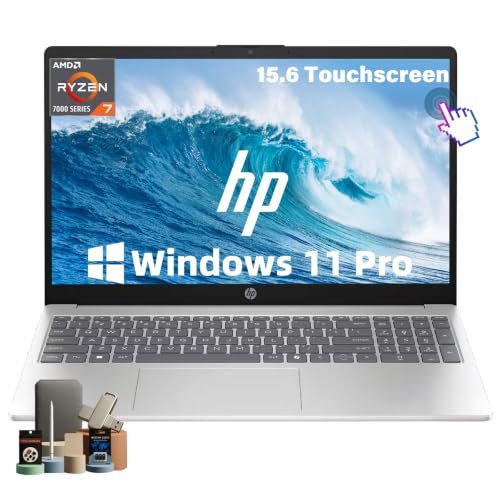
- 32GB RAM and Ryzen 7 handle multitasking well
- 1TB NVMe SSD supports fast project loading
- USB-C, USB-A, HDMI, Wi-Fi 6, and Bluetooth
Best For: Home studios and students who need responsive multitasking
Workstation Power Pick

- Core i7-10850H and 32GB RAM for heavy sessions
- 1TB SSD and dedicated Quadro graphics
- Strong port mix including HDMI, DisplayPort, and Ethernet
Best For: Producers wanting a refurbished workstation with strong hardware
Big-Screen Budget Titan

- Core i9 CPU for strong general performance
- 18.5-inch FHD screen gives plenty of workspace
- Backlit full-size keyboard with number pad
Best For: Desktop-replacement buyers who want a large editing screen
Flagship Creator Workhorse
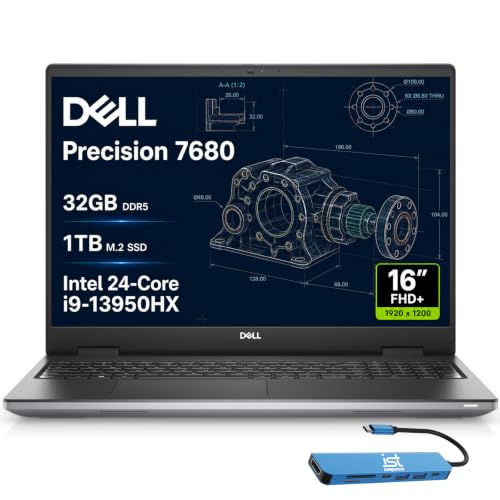
- Core i9-13950HX with 32GB DDR5 for heavy workloads
- 1TB NVMe SSD and extensive port selection
- 16-inch FHD+ anti-glare display for studio use
Best For: Advanced creators needing a flagship workstation for large projects
Large-Screen Value Pick
HP 17.3" Ryzen 5 Laptop for Everyday Creation

- 16GB LPDDR5 RAM for smooth multitasking
- 512GB PCIe NVMe SSD for projects and libraries
- 17.3-inch anti-glare display with roomy layout
Best For: Home producers who want a big screen and reliable everyday performance
Performance Storage Pick
NIMO 15.6" i5 Laptop with 32GB RAM

- 32GB RAM for heavier multitasking
- 1TB PCIe SSD for samples and projects
- 15.6-inch FHD IPS panel with backlit keyboard
Best For: Producers who need lots of memory and storage for bigger sessions
Battery-Friendly Budget Pick
HP OmniBook 3 17.3" FHD Laptop
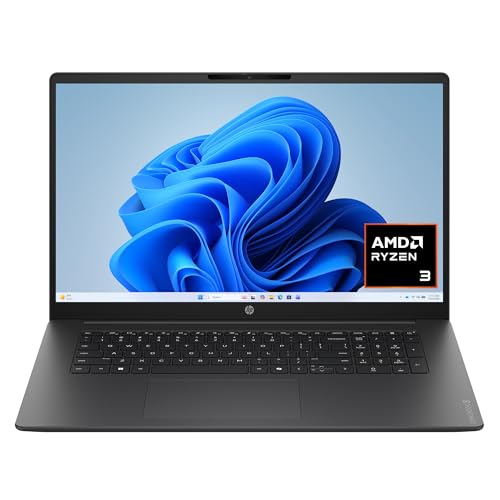
- FHD IPS 17.3-inch display for a roomy workspace
- Up to 14 hours and 15 minutes of battery life
- 512GB SSD with AI noise reduction features
Best For: Light production and everyday use when portability and battery life matter
Workstation Pick
HP ZBook Firefly 15 G8 for demanding multitasking
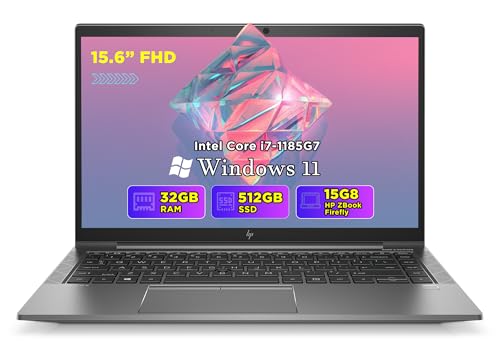
- 32GB RAM for large sessions and multitasking
- Thunderbolt 4 for fast expansion and dual displays
- 512GB SSD for quick boot and app loading
Best For: Producers who want a durable workstation with strong multitasking and Thunderbolt support
Budget-Friendly Pick
Lenovo V15 for straightforward studio work

- Ryzen 5 5500U with 6 cores and 12 threads
- 16GB RAM and 512GB SSD cover core production needs
- HDMI, USB-C, Ethernet, and Wi‑Fi 6 for easy hookup
Best For: Home studio users and students needing a practical Windows laptop for lighter production
Premium Portable Pick
Dell Precision 5470 for serious editing sessions

- Core i7-12700H with 14 cores for heavy multitasking
- DDR5 5200MHz memory keeps workflows responsive
- Dedicated RTX A1000 adds extra creative workload support
Best For: Creators who want a premium workstation laptop in a compact 14-inch form factor
Studio-Ready Multitasker – HP 15.6" FHD Touchscreen Laptop
If you want laptops for music production that can keep a DAW, plugins, browsers, and reference tracks open at once, this HP brings a lot of headroom. The Ryzen 7 7730U, 32GB RAM, and 1TB NVMe SSD in the supplied notes point to a system built for responsive day-to-day music work, while the 15.6-inch FHD touchscreen adds a more flexible control option for editing and navigation.
Best For: Home studios, students, and creators who need strong multitasking for recording and arranging sessions.
Pros:
- 32GB RAM helps keep multiple music apps and browser tabs open smoothly.
- Ryzen 7 7730U with 8 cores and 16 threads supports heavier multitasking loads.
- 1TB NVMe SSD offers fast storage for project files and sample libraries.
- USB-C, two USB-A ports, HDMI, Wi-Fi 6, and Bluetooth cover core studio connectivity.
Cons:
- Integrated graphics only, so it is not aimed at graphics-heavy work.
- The 15.6-inch display is practical, but not as spacious as a larger workstation screen.
- Battery life will vary with demanding production sessions.
Overall, this HP is a practical choice if you need a music production laptop centered on memory, fast storage, and everyday responsiveness. It looks especially useful for producers who value portability and a straightforward Windows 11 Pro setup over workstation-level expansion.
Workstation Power Pick – Dell Precision 5550 Renewed
For laptops for music production, this renewed Dell Precision 5550 stands out as a more workstation-oriented option. The Core i7-10850H, 32GB RAM, and 1TB SSD give it the kind of spec mix that suits larger sessions, sample-heavy projects, and creative workloads, while the dedicated Nvidia Quadro graphics and pro-focused Windows 11 Pro setup add to its professional lean.
Best For: Producers who want a refurbished workstation with strong multitasking and pro-grade hardware.
Pros:
- Core i7-10850H and 32GB RAM support demanding multitasking.
- 1TB SSD provides fast storage for sessions and sample content.
- Dedicated Nvidia Quadro graphics may help in pro workflows beyond audio.
- USB-C, USB 3.0, HDMI, DisplayPort, and Ethernet give broad connectivity.
Cons:
- It is a renewed unit, so condition may vary versus new laptops.
- Battery capacity is modest at 42Wh in the supplied details.
- No touchscreen, if that matters for your workflow.
This Dell makes sense if you want a serious Windows workstation for music projects and do not mind choosing renewed hardware. It is best viewed as a performance-first machine for users who value ports, memory, and storage over thin-and-light convenience.
Big-Screen Budget Titan – 18.5 Inch Core i9 Laptop
This oversized model is a different kind of option among laptops for music production: more about screen space and core horsepower than portability. The Core i9-9880H, 16GB RAM, and 512GB SSD should handle routine DAW work and general creative multitasking, while the 18.5-inch FHD panel and full-size keyboard make it easier to work with long sessions and track layouts.
Best For: Desktop-replacement buyers who want a large display for music editing and everyday use.
Pros:
- Core i9 processor offers strong CPU capacity for heavier workloads.
- 18.5-inch FHD display provides lots of room for timelines and mixer views.
- Full-size backlit keyboard with number pad helps with long work sessions.
- Wi-Fi 6, Bluetooth 5.2, and multiple USB ports support peripherals.
Cons:
- 16GB RAM is more limited than the 32GB options in this roundup.
- 512GB SSD may fill faster if you store large sample libraries locally.
- At 2.6 kg, it is less portable than smaller laptops.
If you want a large, easy-to-work-on machine rather than a travel-friendly laptop, this model has appeal. It is a practical fit for basic-to-moderate production work where screen size and comfort matter as much as raw specs.
Flagship Creator Workhorse – Dell Precision 7680 Laptop
Among laptops for music production, this Dell Precision 7680 is the most workstation-like choice in the group. The Intel Core i9-13950HX, 32GB DDR5 RAM, and 1TB PCIe NVMe SSD are paired with a 16-inch FHD+ anti-glare display and broad connectivity, making it well suited for demanding music sessions, heavy multitasking, and pro-level creative workflows.
Best For: Advanced users who want a flagship Windows workstation for demanding creative projects.
Pros:
- Core i9-13950HX and 32GB DDR5 RAM provide serious performance headroom.
- 1TB NVMe SSD supports fast loading for projects and libraries.
- Two Thunderbolt 4 ports, USB-C, USB-A, HDMI, and Ethernet offer excellent connectivity.
- 16-inch FHD+ anti-glare screen works well for long studio sessions.
Cons:
- It is a high-end workstation, so it is more machine than many casual users need.
- Integrated graphics are listed, so its strength is CPU and workflow performance.
- Its size and feature set make it less travel-friendly than simpler laptops.
If your music production workflow leans toward large projects, many plugins, and professional-grade multitasking, this Precision is the strongest fit here. It is built for users who want workstation reliability and expansion options rather than a basic consumer laptop.
Large-Screen Value Pick – HP 17.3" Ryzen 5 Laptop for Everyday Creation
If you want one of the more spacious laptops for music production without jumping to a premium workstation, this HP 17.3-inch model gives you a roomy display, 16GB of RAM, and a 512GB SSD for smooth day-to-day DAW use. It’s a practical fit for arranging tracks, browsing samples, and handling lightweight editing tasks at home.
Best For: Home producers who want a big screen, solid memory, and simple everyday music projects.
Pros:
- 16GB LPDDR5 RAM helps with responsive multitasking in creative workflows
- 512GB PCIe NVMe SSD offers fast storage for projects and sample libraries
- 17.3-inch anti-glare HD+ screen gives you lots of space to work
- AI noise reduction and dual microphones may help with clearer calls and collaboration
Cons:
- HD+ 1600 x 900 resolution is less sharp than Full HD panels
- USB-C supports data only, so it won’t handle charging or external monitors
- Ryzen 5 7520U is better suited to everyday work than heavy production loads
This HP is a sensible pick if your priority is screen real estate and a balanced spec sheet rather than maximum audio-production power. For lighter sessions and general creative use, it covers the essentials well.
Performance Storage Pick – NIMO 15.6" i5 Laptop with 32GB RAM
For laptops for music production that need more headroom, this NIMO focuses on memory and storage first: 32GB RAM and a 1TB SSD give you plenty of room for large sample packs, project files, and multitasking. The 15.6-inch FHD IPS display and backlit keyboard also make it a practical studio-side machine.
Best For: Producers who keep many projects open and want extra RAM and storage for larger sessions.
Pros:
- 32GB RAM is a strong fit for multitasking and larger creative workloads
- 1TB PCIe SSD provides generous space for samples, stems, and software
- FHD IPS display offers a clearer workspace than lower-resolution screens
- USB-C with power, data, and DisplayPort support adds useful flexibility
Cons:
- Integrated graphics are fine for productivity, but not a standout for demanding visual tasks
- 15.6-inch screen is smaller than the large 17-inch options in this roundup
- Performance claims are marketing-led, so real-world DAW results will still depend on your software load
This NIMO stands out because it emphasizes the specs that matter most once projects get heavier: RAM and storage. If your sessions are getting crowded, it’s the most expansion-friendly option here.
Battery-Friendly Budget Pick – HP OmniBook 3 17.3" FHD Laptop
If you want a more affordable-looking option for laptops for music production and value battery life, the HP OmniBook 3 brings a 17.3-inch FHD IPS display, 8GB of RAM, and a 512GB SSD. It is best suited to lighter DAW work, basic editing, and everyday creative tasks where a big screen and portability matter more than raw power.
Best For: Light music production, note-taking, and home use when battery life and screen size are priorities.
Pros:
- 17.3-inch FHD IPS display gives you a wide, clear workspace
- Up to 14 hours and 15 minutes of battery life supports unplugged sessions
- 512GB SSD provides fast everyday storage for projects and files
- AI noise reduction and FHD camera can help with remote collaboration
Cons:
- 8GB RAM is the most limited memory option in this group
- Ryzen 3 30 is aimed at everyday performance, not demanding production workloads
- Integrated Radeon 610M graphics are basic for creative work
The OmniBook 3 makes sense when you want a comfortable large-screen laptop and decent battery endurance, but do not need a heavy-duty production machine. It is the most modest spec choice here, so it fits simpler setups best.
Workstation Pick – HP ZBook Firefly 15 G8 for demanding multitasking
If you want laptops for music production that can handle big sessions, the HP ZBook Firefly 15 G8 is built like a compact workstation. Its 11th Gen Core i7-1185G7, 32GB of RAM, and 512GB SSD should keep DAWs, sample libraries, and plugins moving smoothly, while Thunderbolt 4 adds flexible expansion for audio and display setups.
Best For: Producers who want a durable, workstation-style laptop with strong multitasking headroom and Thunderbolt connectivity.
Pros:
- 32GB of RAM is well suited to heavier multitasking and larger production projects.
- Thunderbolt 4 supports fast data transfer, dual 4K displays, and quick charging.
- 512GB SSD helps with fast boot-ups and quick application loading.
- 15.6-inch FHD display gives plenty of room for arranging tracks and windows.
Cons:
- Integrated graphics are listed, so it is not aimed at graphics-heavy work.
- Renewed condition may matter if you prefer brand-new hardware.
- 512GB storage may fill up quickly with large sample libraries.
This ZBook makes sense if you value workstation reliability and connectivity more than portability-first design. For music production, the memory and Thunderbolt support are the key strengths, especially when your workflow involves multiple instruments, effects, and external gear.
Budget-Friendly Pick – Lenovo V15 for straightforward studio work
For buyers comparing laptops for music production on a budget, the Lenovo V15 focuses on practical specs that cover the basics well. The Ryzen 5 5500U, 16GB of RAM, and 512GB PCIe NVMe SSD should handle common DAW tasks, while the numeric keypad and full port mix make it a simple setup for everyday production work.
Best For: Home studio users and students who want a practical Windows laptop for lighter-to-moderate production tasks.
Pros:
- Ryzen 5 5500U has 6 cores and 12 threads for solid everyday multitasking.
- 16GB RAM and 512GB SSD provide a workable baseline for music projects.
- Includes HDMI, USB-C, Ethernet, Wi-Fi 6, and an RJ45 port for flexible connectivity.
- Numeric keypad can be useful for workflow and general productivity.
Cons:
- 16GB RAM is the listed maximum, so there is limited room to grow.
- Integrated graphics mean it is not designed for demanding visual work.
- Best suited to standard production needs rather than very large sample libraries.
The Lenovo V15 is a sensible pick if you want a straightforward machine that covers the essentials without extra complexity. It is not the most powerful option here, but the core specs and wired networking support make it a practical entry point for music production.
Premium Portable Pick – Dell Precision 5470 for serious editing sessions
If you need laptops for music production that also handle demanding creative workloads, the Dell Precision 5470 brings workstation hardware into a compact 14-inch design. Its Core i7-12700H, 16GB of DDR5 memory, 512GB SSD, and dedicated Nvidia RTX A1000 give it a performance-focused setup that should stay responsive through layered sessions and heavy multitasking.
Best For: Creators who want a premium workstation laptop with strong CPU performance in a more portable size.
Pros:
- 14-core Core i7-12700H is built for heavy multitasking and demanding workloads.
- DDR5 memory at 5200MHz helps keep apps and browser tabs responsive.
- Dedicated RTX A1000 graphics add extra capability for visual creative work.
- 14-inch FHD+ 1920×1200 display offers a sharp workspace in a compact chassis.
Cons:
- 16GB RAM is solid, but not as roomy as higher-memory workstation options.
- 512GB storage may feel tight if you keep large libraries on the system drive.
- At 8 pounds, it is heavier than many portable laptops.
The Precision 5470 stands out if you want workstation-grade processing without moving up to a larger desktop replacement. For music production, the CPU and fast DDR5 memory are the biggest advantages, especially when your sessions also involve editing, graphics, or other creative tasks.
How We Picked the Best Laptops for Music Production
For this roundup, we prioritized processors with strong single-core and multi-core performance, because DAWs, virtual instruments, and real-time effects all benefit from fast, efficient CPU handling. We also looked for enough RAM to support sample libraries and large projects, plus SSD storage for quicker load times and smoother workflow.
We favored systems with dependable thermals, solid build quality, and useful connectivity. For Laptops for Music Production, that means enough USB ports for audio interfaces, controllers, and external drives, along with displays that are comfortable for long editing sessions.
Quick Comparison: What Matters Most
If you want the shortest path to the right choice, match the laptop to your workload. Heavier production and mixing calls for more CPU cores, 16GB to 32GB of RAM, and fast SSD storage. Lightweight beat-making and basic recording can work on less, but upgrading later is always harder than buying right the first time.
Best for Bigger Sessions
Choose higher-core workstation-class machines if you use large sample libraries, many plugins, or frequent rendering.
Best for Everyday Production
Midrange laptops with modern Ryzen or Intel H-series chips and 16GB RAM usually deliver the best value for most producers.
Best for Portability
If you travel often, a lighter 14-inch or 15-inch model can still handle production as long as it has a strong CPU and at least 16GB RAM.
Key Buying Factors for Laptops for Music Production
Processor: Look for newer Intel Core H-class chips, Ryzen 5/7-class processors, or workstation CPUs if you want lower buffer sizes and better multitasking.
Memory: 16GB is the practical starting point; 32GB or more is better for orchestral templates, sample-heavy sessions, and future-proofing.
Storage: An SSD is essential. 1TB is a safer target if you keep sample packs, multitracks, and large project folders locally.
Ports and expandability: Audio interfaces, MIDI gear, and external storage often need multiple USB connections. HDMI and Ethernet can also be helpful in studio setups.
Thermals and noise: A fast laptop that throttles under load can interrupt recording and mixing. Cooler-running systems are especially valuable in quiet studio environments.
Display size: Larger screens help with timeline visibility and plugin control, but compact models may suit mobile producers better.
Who Should Buy Which Laptops for Music Production?
If you produce full arrangements, mix with many plugins, or run large sample libraries, prioritize the more powerful workstation-style options. If you mostly record vocals, make beats, or work on moderate projects, a well-balanced mainstream laptop with 16GB RAM and a capable Ryzen or Intel processor should be enough.
For beginners, focus on value and reliability rather than maximum specs. For professionals, choose the laptop that best matches your session size, plugin count, and need for mobility so your workflow stays fast and consistent.