Choosing the right editing machine can make a bigger difference than most upgrades. For photo work, the best laptops balance a color-accurate display, enough RAM for large files, and fast storage that keeps your workflow moving.
This roundup focuses on practical options across creator, workstation, and value tiers so you can match the laptop to your editing style, software, and budget.
Best 10 Laptops for Photo Editing Picks for 2026
Editor’s Pick
ASUS ProArt StudioBook 16 OLED for Photo Editing

- 3.2K OLED touch display with Pantone validation
- Core i9 and RTX 4060 for demanding edits
- ASUS Dial plus SD Express and Thunderbolt 4
Best For: Professional photo editors who prioritize color accuracy and creator tools
Portable AI Choice
Acer Aspire 14 Touch for Photo Editing
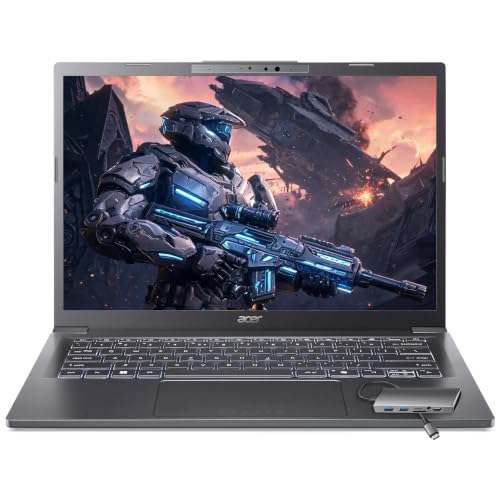
- 32GB RAM and 2TB SSD for heavy libraries
- Core Ultra 7 with AI features for local editing
- 14-inch touchscreen with stylus support
Best For: Traveling creators who want a light, roomy laptop for editing
Workstation Value
Dell Precision 7670 for Photo Editing

- 64GB RAM for large projects and multitasking
- Core i7-12850HX with 16 cores
- RTX A1000 dedicated GPU for editing
Best For: Power users who need workstation-level performance and memory
Budget-Friendly Option
HP OmniBook 3 16 for Photo Editing
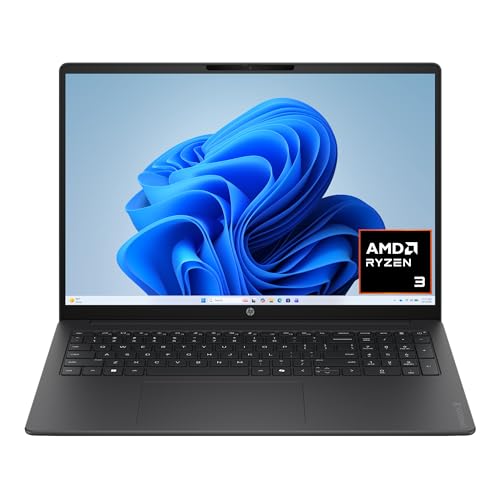
- 16-inch 2K touchscreen for easy editing
- Up to 14 hours 15 minutes of battery life
- Lightweight 3.6-pound design
Best For: Casual editors who want a big screen and long battery life
Flagship Workstation
Dell Precision 7680 for Photo Editing

- Intel Core i9-13950HX with 32GB DDR5 CAMM memory
- 16-inch FHD+ anti-glare display for editing work
- Two Thunderbolt 4 ports plus HDMI and Ethernet
Best For: Professional photographers and creators needing workstation-class power
Budget Creator Pick

- Ryzen 5 6600H with 16GB DDR5 and 512GB SSD
- Radeon 660M supports light photo editing
- Dual SO-DIMM slots and M.2 storage for upgrades
Best For: Students and entry-level creators needing affordable editing performance
Color-Friendly Creator
ASUS VivoBook Pro 16X for Editing

- Pantone Validated 16-inch 16:10 display with 100% DCI-P3
- RTX 3050 Ti discrete graphics for creator workloads
- 32GB RAM, 1TB SSD, and ASUS DialPad workflow controls
Best For: Creators who prioritize color-accurate display quality and strong multitasking
Creator-Ready 2-in-1
Lenovo IdeaPad 16" Touch Laptop

- Ryzen 7 8845HS for strong multitasking
- 16" 1920 x 1200 touchscreen adds workspace
- 1TB SSD and 16GB DDR5 for smooth editing
Best For: Users who want a versatile 2-in-1 for everyday photo editing
Mobile Workstation Pick

- 32GB RAM is strong for large editing projects
- RTX A2000 dedicated graphics support heavier workloads
- 1TB SSD and Thunderbolt 4 suit creative workflows
Best For: Editors who want a renewed workstation with dedicated graphics
Budget Gaming Editor
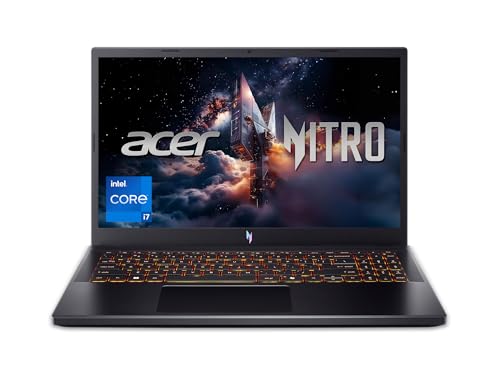
- Core i7-13620H handles multitasking well
- RTX 4050 adds dedicated graphics power
- 1TB Gen 4 SSD and 16GB DDR5 keep it fast
Best For: Editors who want strong performance and gaming-capable hardware
Editor’s Pick – ASUS ProArt StudioBook 16 OLED for Photo Editing
If you want one of the strongest laptops for photo editing in this group, the ASUS ProArt StudioBook 16 OLED is built around color accuracy and creator-focused controls. Its 16-inch 3.2K OLED touchscreen, 100% DCI-P3 coverage, Pantone validation, and Delta E < 2 rating make it a strong match for photographers who care about accurate preview and retouching work.
Best For: Professional photo editors and creators who want a color-accurate OLED display with powerful performance.
Pros:
- 16-inch 3.2K OLED touch display with 100% DCI-P3 and Pantone validation
- Core i9-13980HX and RTX 4060 provide plenty of editing and multitasking headroom
- ASUS Dial and stylus support help streamline brush and adjustment workflows
- Thunderbolt 4, SD Express 7.0, and HDMI 2.1 offer strong creator connectivity
Cons:
- 16GB RAM is adequate, but heavier workloads may benefit from an upgrade
- At 5.29 lbs, it is not the lightest option for frequent travel
- Premium creator features can push it beyond casual editing budgets
This is a well-rounded choice if display quality matters as much as raw speed. For photo editing, its combination of accurate OLED color, strong GPU support, and creator-oriented tools makes it especially compelling.
Portable AI Choice – Acer Aspire 14 Touch for Photo Editing
The Acer Aspire Laptop 2026 is a practical option among laptops for photo editing if you want a lighter machine with modern AI features. Its 14-inch touchscreen, Intel Core Ultra 7 processor, 32GB RAM, and 2TB SSD make it well suited to editing photo libraries, running creative apps, and keeping projects moving without much friction.
Best For: Mobile photographers and creators who want a lightweight touchscreen laptop with strong memory and storage.
Pros:
- 32GB RAM and 2TB SSD give you ample room for files and smooth multitasking
- Intel Core Ultra 7 with NPU supports local AI photo editing and automation
- Intel Arc 140V graphics are positioned for Lightroom and GPU-accelerated effects
- 14-inch touchscreen with stylus support helps with hands-on retouching
Cons:
- 14-inch 1920×1200 display is smaller and less detailed than higher-end creator panels
- Integrated graphics are not as strong as discrete GPU options for heavier workloads
- It is better suited to everyday and content-creation tasks than advanced workstation use
This model stands out for portability, storage, and memory rather than premium display specs. It makes sense if you edit on the go and value a responsive, modern machine over a desktop-replacement workstation.
Workstation Value – Dell Precision 7670 for Photo Editing
The Dell Precision 7670 is a serious workstation-style pick for laptops for photo editing when raw memory and multitasking matter most. With a 16-core Core i7-12850HX, 64GB RAM, and a dedicated RTX A1000 GPU, it is designed to handle large projects, lots of open apps, and demanding creative workflows with ease.
Best For: Power users who need workstation-class multitasking and a dedicated GPU for editing.
Pros:
- 64GB DDR5 RAM is excellent for large files and heavy multitasking
- Core i7-12850HX with 16 cores provides strong processing power
- RTX A1000 dedicated graphics are described as useful for photo and video editing
- 256GB SSD keeps startup and transfers fast
Cons:
- 256GB storage is relatively small for a workstation-focused editing setup
- FHD+ 1920×1200 display is solid, but not as color-rich as OLED creator panels
- As a 2022 renewed model, it may appeal more to value hunters than brand-new buyers
If your editing workflow depends on memory headroom and multitasking more than a top-tier display, this Dell makes sense. It is especially appealing for users who want workstation performance without moving up to a newer premium creative laptop.
Budget-Friendly Option – HP OmniBook 3 16 for Photo Editing
The HP OmniBook 3 is the most modest option here, but it still covers the basics for laptops for photo editing if your needs are light to moderate. Its 16-inch 2K touchscreen, 8GB RAM, and SSD storage give you a simple, portable setup for browsing images, making everyday edits, and handling general creative work.
Best For: Casual photo editors and budget-minded buyers who need a large touchscreen and long battery life.
Pros:
- 16-inch 2K touchscreen offers a comfortable workspace for editing
- Up to 14 hours and 15 minutes of battery life supports long sessions away from outlets
- Wi-Fi 6, Bluetooth 5.4, and included ports make it easy to connect accessories
- Light 3.6-pound design improves portability for a 16-inch laptop
Cons:
- 8GB RAM is the lowest capacity in this lineup and may limit heavier editing
- AMD Radeon 610M and Ryzen 3 7320U are entry-level components
- 62.5% sRGB and 300 nits suggest it is not aimed at color-critical work
This is the most practical pick for basic editing, not demanding creative production. It works best when you value battery life, screen size, and portability more than high-end color accuracy or processing power.
Flagship Workstation – Dell Precision 7680 for Photo Editing
If you want laptops for photo editing that lean more toward workstation muscle than thin-and-light portability, the Dell Precision 7680 is built for demanding creative workflows. Its Intel Core i9-13950HX, 32GB of DDR5 CAMM memory, and 1TB SSD give you the headroom to handle large image libraries, multitask confidently, and move through intensive projects without feeling constrained.
Best For: Professional photographers, designers, and creative users who need workstation-class performance, strong expandability, and support for external monitor setups.
Pros:
- Intel Core i9-13950HX and 32GB DDR5 CAMM RAM for fast, heavy-duty creative work
- 16-inch FHD+ anti-glare display for sharp, practical editing visuals
- Two Thunderbolt 4 ports, HDMI, USB-C, USB-A, and Ethernet for flexible studio connectivity
- Supports up to three external monitors at 4K@60Hz without a docking station
Cons:
- Integrated Intel UHD Graphics only, so it is not aimed at graphics-heavy GPU acceleration
- 16-inch workstation design is more focused on capability than portability
- Higher-spec build may be more than casual editors need
Overall, the Precision 7680 makes sense when photo editing is part of a larger professional workload and you want a machine designed for serious multitasking, external displays, and long-term reliability. It is a strong fit if you value performance and connectivity over a lightweight everyday laptop.
Budget Creator Pick – NIMO 15.6 AI Creator Laptop
For shoppers comparing laptops for photo editing on a tighter budget, the NIMO 15.6 AI Creator Laptop offers a sensible balance of performance and everyday practicality. The Ryzen 5 6600H, 16GB of DDR5 RAM, and 512GB SSD should handle common editing tasks, multitasking, and large file handling more smoothly than many basic thin-and-light systems.
Best For: Students, remote workers, and entry-level creators who want capable everyday performance and light photo editing without paying for a premium workstation.
Pros:
- Ryzen 5 6600H offers 6 cores and 12 threads for stronger everyday performance
- Radeon 660M graphics support light photo editing and smooth media playback
- 16GB DDR5 RAM and 512GB PCIe SSD provide a responsive starting point
- Dual SO-DIMM slots and M.2 design leave room for upgrades
Cons:
- 15.6-inch FHD display is practical, but not as color-focused as creator-grade panels
- Integrated graphics are better for light editing than demanding visual workloads
- Less specialized for creative professionals than the higher-end options here
This is a smart pick if you want a straightforward creator-friendly laptop that can cover editing, school, and work tasks without pushing the budget too far. It is best viewed as a capable entry point rather than a dedicated high-end photo-editing machine.
Color-Friendly Creator – ASUS VivoBook Pro 16X for Editing
If display quality matters most in your search for laptops for photo editing, the ASUS VivoBook Pro 16X stands out with its 16-inch 16:10 Pantone Validated panel, 100% DCI-P3 coverage, and 500-nit brightness. Pair that with an Intel Core i7-12650H, RTX 3050 Ti graphics, 32GB of RAM, and a 1TB SSD, and you get a creator-focused setup built to handle both image work and broader multimedia tasks.
Best For: Creators who want a brighter, color-accurate display and dedicated graphics for photo editing plus light content creation.
Pros:
- Pantone Validated 16-inch 16:10 display with 100% DCI-P3 and 500 nits brightness
- RTX 3050 Ti discrete graphics for stronger creator and multimedia support
- 32GB RAM and 1TB SSD offer ample room for files and multitasking
- ASUS DialPad can streamline brush size, saturation, and other editing controls
Cons:
- Glossy display may not be ideal in very bright environments
- RTX 3050 Ti is capable, but not a top-tier GPU for the heaviest workloads
- At 4.3 lbs, it is portable but not the lightest option
For image work, this model is the most display-forward option in the group and should appeal to users who care about color confidence as much as raw speed. It is a well-rounded creator laptop when you want solid performance and a panel that is clearly tuned for visual work.
Creator-Ready 2-in-1 – Lenovo IdeaPad 16" Touch Laptop
If you want laptops for photo editing with a roomy screen and fast everyday responsiveness, this Lenovo IdeaPad 2-in-1 is a practical all-rounder. The Ryzen 7 8845HS, 16GB of DDR5 memory, and 1TB SSD should keep editing apps, browser tabs, and large image libraries moving smoothly, while the 16-inch 1920 x 1200 touch display gives you extra vertical space for tool panels and timelines.
Best For: Students, office users, and casual photo editors who want a responsive 2-in-1 with a large touchscreen and plenty of storage.
Pros:
- Ryzen 7 8845HS offers strong 8-core, 16-thread performance for multitasking and content creation
- 16-inch 1920 x 1200 touch display provides sharp visuals and more vertical workspace
- 1TB SSD and 16GB LPDDR5 RAM support fast loading and smoother workflow handling
- Includes fingerprint reader, backlit keyboard, numeric keypad, and multiple USB-C/USB-A ports
Cons:
- Integrated Radeon 780M graphics are not as powerful as a dedicated GPU for heavy creative workloads
- 6-pound weight makes it less ideal if portability is a top priority
Overall, this is a sensible pick if you need a versatile Windows 11 Pro laptop that can handle photo editing without pushing into workstation pricing. Its biggest strengths are the display size, storage, and balanced CPU performance.
Mobile Workstation Pick – Dell Precision 5560 RTX A2000
For laptops for photo editing that lean more toward serious creative work, the Dell Precision 5560 stands out with workstation-class hardware. Its Core i7-11850H, 32GB of RAM, 1TB SSD, and NVIDIA RTX A2000 graphics give it a much stronger spec sheet for handling large files, layered edits, and heavier multitasking than typical thin-and-light laptops.
Best For: Photo editors and creators who want a renewed workstation with dedicated graphics and lots of memory.
Pros:
- 32GB dual-channel memory is well suited to larger editing projects and multitasking
- NVIDIA RTX A2000 4GB dedicated graphics can help with more demanding visual workloads
- 1TB SSD, Thunderbolt 4 ports, and SD card slot support practical creative workflows
- Fingerprint reader and backlit keyboard add convenience for daily use
Cons:
- Renewed condition may not appeal to buyers who want a brand-new device
- 15.6-inch non-touch display is less flexible than a touchscreen for some workflows
This is the most workstation-oriented option in the group, and that makes it especially attractive if your photo editing involves bigger projects or more frequent multitasking. It’s older hardware, but the memory and dedicated GPU still make it a capable creative machine.
Budget Gaming Editor – Acer Nitro V 15 RTX 4050
If you’re shopping for laptops for photo editing and want extra graphics power without moving into workstation territory, the Acer Nitro V is a compelling option. The Core i7-13620H, RTX 4050, 16GB of DDR5 memory, and 1TB Gen 4 SSD give it the speed and headroom to handle editing apps, large photo libraries, and multitasking with ease.
Best For: Photo editors who also want a gaming-capable laptop with strong graphics and fast storage.
Pros:
- Core i7-13620H is built for multitasking and heavier workloads like photo editing
- RTX 4050 graphics add plenty of dedicated GPU power for visual tasks
- 16GB DDR5 RAM and 1TB PCIe Gen 4 SSD deliver fast, modern performance
- Thunderbolt 4, Wi-Fi 6, and Ethernet offer flexible connectivity
Cons:
- 15.6-inch 1080p display may feel less spacious than larger or higher-resolution panels
- Gaming-focused design may be more laptop than some photo editors need
This model is a smart fit if you want the benefits of a dedicated GPU and fast internals for editing, while still keeping the door open for gaming. It’s the most performance-forward mainstream pick here, especially if you value speed over a premium creative display.
How We Picked These Laptops for Photo Editing
We prioritized display quality, CPU and GPU performance, memory capacity, SSD speed, and overall portability. For Laptops for Photo Editing, the screen matters as much as raw power, so we gave extra weight to panel resolution, size, and touch or OLED features where they improve editing accuracy and usability.
We also looked for models that can comfortably handle Lightroom, Photoshop, batch exports, RAW files, and multitasking without forcing constant compromises.
Quick Comparison
The strongest creator and workstation choices tend to offer better displays, higher RAM, and faster processors, while mainstream laptops can still work well for lighter editing if you mainly process smaller shoots or web-focused content. Gaming-oriented models often bring good GPU performance, but display quality should be checked carefully before buying.
Key Buying Factors for Laptops for Photo Editing
Display Quality
Start with the screen. Aim for at least a high-resolution IPS or OLED panel with strong color coverage. A sharper display helps with fine retouching, while better color accuracy reduces the risk of edits looking different on other devices.
Memory and Storage
For most photographers, 16GB RAM is the practical floor, while 32GB is better for heavy RAW editing and multitasking. A 1TB SSD or larger is ideal if you store large catalogs, previews, and exported files locally.
Processor and Graphics
A modern H-series or high-end efficiency CPU will speed up imports, previews, filters, and exports. A dedicated GPU is not mandatory for every workflow, but it can help with accelerated features and smoother performance in creative apps.
Portability and Battery Life
If you edit on the go, consider weight, charging, and battery life alongside performance. A powerful workstation can be excellent for desk use, while a lighter 2-in-1 may be more convenient for travel or client presentations.
Who Should Buy Which Laptops for Photo Editing?
Choose a workstation-class laptop if you want the most consistent performance for demanding editing, large files, and professional use. Pick a creator laptop if you want a strong balance of display quality and speed. Go with a value-focused model if you mainly edit occasionally, work with moderate-size images, or need a capable all-purpose laptop that can still handle photo work well.
In short, the best choice depends on how much you edit, how large your files are, and how important screen quality is in your daily workflow.