If you need a multi input capture device for Mac, the best options do more than just take HDMI signals. They can also simplify livestreaming, game capture, and analog-to-digital conversion in a single workflow.
Below, we focus on Mac-compatible picks that balance plug-and-play setup, reliable performance, and the right input support for your actual use case.
Best 10 Multi Input Capture Device for Mac Picks for 2026
Mac-Friendly HDMI Capture
Acer USB 3.0 HDMI Capture Card

- 4K input with 1080p@60Hz output
- Mic-in for live commentary
- Plug-and-play with USB-A and USB-C
Best For: Mac users needing a simple HDMI capture card for streaming and recording.
Analog Tape Digitizer
RCA to USB Capture Card for Mac

- RCA and S-Video input for legacy sources
- 720p USB output with audio capture
- Mac compatible with QuickTime Player
Best For: Mac users digitizing VHS, VCR, Hi8, and camcorder footage.
Low-Latency HDMI Capture
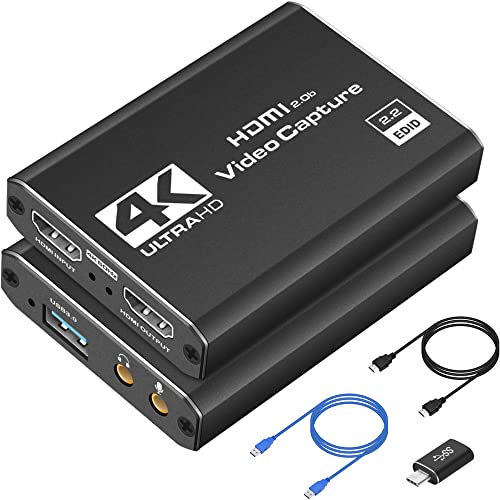
- 1080p 60FPS capture with HDMI loop-out
- Plug-and-play with OBS and Streamlabs support
- Compatible with Mac, PS5, Xbox, and Switch
Best For: Mac users streaming gameplay or camera video with low-latency passthrough.
Budget HDMI Capture

- Up to 4K 60FPS HDMI input
- USB 2.0 output up to 1080p@30Hz
- Plug-and-play with Mac, Windows, and Linux
Best For: Mac users needing a simple capture device for meetings, teaching, or casual streaming.
Portable USB-C Capture Pick
Guermok 1080P60 HDMI to USB-C Capture Card
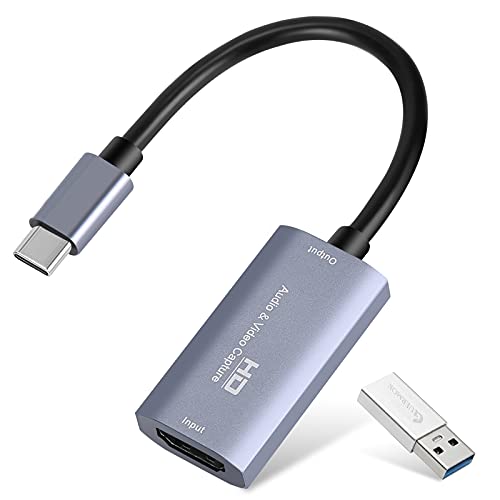
- 1080P 60FPS capture over USB 3.0
- Mac OS and OBS compatible
- Plug-and-play, no external power
Best For: Mac users who want a compact HDMI capture card for streaming or recording
Analog-to-Digital Archive Tool
ClearClick Video2USB HDMI, AV, RCA, S-Video Capture
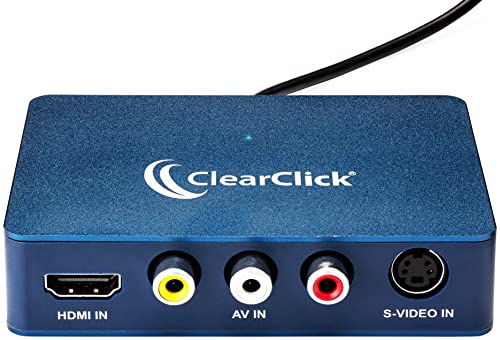
- Captures HDMI plus AV, RCA, and S-Video
- Compatible with Mac, Windows, and Linux
- Includes software and setup instructions
Best For: Mac users who need one device for HDMI and legacy analog sources
Low-Latency Streaming Choice
VIXLW 4K USB 3.0 HDMI Capture Card

- Up to 4K@30Hz input and 1080P@60FPS capture
- Mac-compatible with USB 3.0 and USB-C
- Low-latency with dual-channel audio support
Best For: Mac users who want a compact HDMI capture card for streaming and recording
Loop-Out Streamer
XIIXMASK USB 3.0 Capture Card for Mac

- Mac OS compatible with USB 3.0 capture
- 4K 60Hz HDMI loop-out for monitoring
- Mic-in support for voice commentary
Best For: Mac users needing flexible HDMI capture with loop-out
USB-C Easy Setup
Papeaso 1080p USB-C Capture Card for Mac

- Mac OS, Windows, Linux, and Android support
- Plug-and-play with no driver installation
- Captures up to 1080p at 60fps
Best For: Mac users wanting a simple USB-C streaming and recording setup
Plug-and-Play Low Latency
Rybozen 1080p HDMI Capture Device for Mac

- Mac OS and Windows compatibility
- HDMI loop-out for delay-free monitoring
- Mic-in for external commentary
Best For: Mac users wanting simple low-latency HDMI capture
Mac-Friendly HDMI Capture – Acer USB 3.0 HDMI Capture Card
If you want a multi input capture device for Mac that can handle modern HDMI sources, this Acer USB 3.0 capture card is built for straightforward streaming and recording. It supports 4K input with smooth 1080p@60Hz output, plus USB-A and USB-C connections for flexible setup on compatible systems.
Best For: Mac users who want an easy plug-and-play HDMI capture option for gaming, classes, or live commentary.
Pros:
- 4K input with 1080p@60Hz capture output
- Mic-in support for voice commentary during recording or streaming
- Plug-and-play design with no extra drivers or external power
- Works with OBS, XSplit, VLC, and multiple devices including PS5, Switch, Xbox, DSLR cameras, PC, and macOS
Cons:
- Requires a USB 3.0 port to run at full speed
- Video capture resolution is listed at 1080p/720p rather than native 4K capture
This is a practical choice if you need a simple HDMI capture solution with audio input and broad app compatibility. The mic-in and portable design make it especially useful for creators who want a compact setup for Mac-based workflows.
Analog Tape Digitizer – RCA to USB Capture Card for Mac
For anyone looking for a multi input capture device for Mac focused on legacy video, this RCA-to-USB capture card is designed to convert VHS, VCR, Hi8, and camcorder footage into digital files. It captures analog composite input to HD 720p USB output and is intended for use with compatible software on Mac systems.
Best For: Mac users digitizing old tapes and camcorder footage with RCA or S-Video connections.
Pros:
- Converts RCA composite and S-Video sources to USB
- Supports Mac OS and works with QuickTime Player on Mac
- Plug-and-play setup with no external power needed
- Captures audio as part of the video transfer process
Cons:
- Designed for analog sources, not HDMI devices
- Requires acquisition software to operate
This model is best suited to tape-to-digital projects rather than live gaming or modern camera capture. If your goal is preserving older recordings on a Mac, its compatibility and simple setup make it a useful utility device.
Low-Latency HDMI Capture – 4K HDMI USB 3.0 Capture Card
This multi input capture device for Mac is a solid pick if you want a portable HDMI capture card for gaming and streaming. It delivers 1080p 60FPS capture, includes HDMI loop-out for passthrough, and is designed to work with Macs and Windows systems through a USB 3.0 connection.
Best For: Mac gamers and creators who want low-latency HDMI capture with loop-out support.
Pros:
- 1080p 60FPS capture with 4K HDMI input support
- HDMI loop-out for passthrough while you play
- Plug-and-play operation with no drivers needed
- Compatible with OBS, Streamlabs, XSplit, PS5, Xbox, Switch, PCs, and macOS
Cons:
- Requires a USB 3.0 port
- Capture resolution is 1080p rather than 4K output
For Mac users who want a simple streaming setup, this card focuses on the features that matter most: low latency, broad device support, and easy setup. It is especially appealing if you want to record or stream gameplay without adding extra complexity.
Budget HDMI Capture – AXHDCAP 4K HDMI Capture Card
If you need a multi input capture device for Mac that stays simple and economical, this HDMI-to-USB capture card is aimed at basic recording, conferencing, and live streaming. It accepts up to 4K 60FPS HDMI input and outputs up to 1080p@30Hz over USB 2.0, with support for Mac, Windows, and Linux.
Best For: Mac users who want a basic plug-and-play HDMI capture device for conferencing, teaching, or casual streaming.
Pros:
- Supports HDMI input up to 4K 60FPS
- USB 2.0 output with up to 1080p@30Hz capture
- Plug-and-play design with no drivers or external power
- Compatible with MacOS, Windows, and Linux, plus apps like OBS, Zoom, VLC, and Potplayer
Cons:
- USB 2.0 limits output to 1080p@30Hz
- Not intended to add HDMI output to a laptop or computer
This card works best as a straightforward capture tool rather than a high-frame-rate gaming solution. Its wide software compatibility and easy setup make it a dependable option for Mac users who need HDMI capture for everyday content and communication tasks.
Portable USB-C Capture Pick – Guermok 1080P60 HDMI to USB-C Capture Card
If you need a multi input capture device for Mac that keeps setup simple, this Guermok card is a practical pick for HDMI sources. It supports up to 4K input and records at 1080P 60FPS, making it a straightforward option for streaming, meetings, gameplay, and basic video capture on macOS.
Best For: Mac users who want a compact, plug-and-play HDMI capture card for streaming or recording.
Pros:
- USB 3.0 connection with up to 1080P at 60FPS recording.
- Works with Mac OS, Windows, Linux, Android, OBS, Zoom, and more.
- Plug-and-play design with no external power required.
- Compact aluminum alloy build for easier portability and heat dissipation.
Cons:
- HDMI input only, so it is not a true multi-format input unit.
- Requires capture software and is not meant for direct monitor or TV casting.
- Audio setup in OBS may require a software restart after configuration.
This is a solid choice if your priority is fast Mac-compatible HDMI capture with low-latency preview and broad device support. It is especially useful when portability and simple USB-C hookup matter more than analog inputs.
Analog-to-Digital Archive Tool – ClearClick Video2USB HDMI, AV, RCA, S-Video Capture
For a multi input capture device for Mac, this ClearClick model stands out because it handles both modern HDMI sources and older AV, RCA, and S-Video gear. That makes it a strong fit if you want to digitize tapes, hook up legacy consoles, or capture HDMI video on macOS without juggling separate adapters.
Best For: Mac users who need one device for HDMI and legacy analog video capture.
Pros:
- Supports HDMI, AV, RCA, and S-Video input sources.
- Works with Mac, Windows, and Linux.
- USB-C plug-and-play design with a full-size USB-A adapter included.
- Software and step-by-step instructions are included.
Cons:
- HDMI capture does not support copyrighted or content-protected sources.
- Top resolution is 1080P, so it is not aimed at higher-end capture workflows.
- Bulkier than a simple HDMI-only dongle for travel use.
If your Mac setup needs flexibility across old and new video sources, this is the most versatile option in the group. It is especially useful for archival projects and mixed-device capture where input variety matters most.
Low-Latency Streaming Choice – VIXLW 4K USB 3.0 HDMI Capture Card
If you want a multi input capture device for Mac that stays simple but supports a wide range of HDMI gear, this VIXLW card is a strong everyday option. It accepts up to 4K at 30Hz and records at 1080P 60FPS or 2K 30Hz, which fits streaming, gameplay capture, and online meetings on macOS.
Best For: Mac users looking for a compact HDMI capture card with low-latency performance.
Pros:
- Supports up to 4K@30Hz input with 1080P@60FPS recording.
- USB 3.0 and USB-C support for Mac and Windows setups.
- Low-latency transmission with dual-channel audio support.
- Works with OBS, Zoom, VLC, Twitch Studio, and more.
Cons:
- HDMI-only capture, so it does not handle analog inputs.
- Requires sufficient system performance for 1080P capture.
- Best results depend on correct source testing and setup.
For Mac users focused on streaming quality and portability, this model offers a balanced feature set without unnecessary complexity. It is best suited to HDMI-based workflows where stable capture and broad software compatibility are the main goals.
Loop-Out Streamer – XIIXMASK USB 3.0 Capture Card for Mac
If you need a multi input capture device for Mac that can handle gaming, meetings, and live streaming, this XIIXMASK capture card is built around flexibility. It supports Mac OS and USB 3.0 capture up to 1080p 60fps or 2K 30fps, while the 4K 60Hz HDMI loop-out helps you monitor gameplay or video with minimal interruption.
Best For: Mac users who want low-latency HDMI capture with mic input and broad device compatibility.
Pros:
- Supports Mac OS, Windows, Linux, and Android for broad compatibility.
- HDMI loop-out up to 4K 60Hz is useful for real-time monitoring.
- Captures up to 1080p 60fps or 2K 30fps over USB 3.0.
- Includes mic-in support for adding external commentary.
Cons:
- Party chat is not recorded through the mic-in feature.
- OBS audio setup requires a restart after configuration.
- Best results depend on using supported software and systems.
This is a strong practical choice if your priority is straightforward capture with monitoring and commentary support. It is especially appealing for users who want a compact card that works across consoles, cameras, and Mac without needing extra power.
USB-C Easy Setup – Papeaso 1080p USB-C Capture Card for Mac
This Papeaso model is a practical multi input capture device for Mac if you want a simple USB-C capture path and broad source support. It records up to 1080p at 60fps, accepts HDMI input up to 4K 60Hz, and is designed to work without drivers for quick streaming or recording setups.
Best For: Mac users who want an easy USB-C capture card for streaming, recording, and console input.
Pros:
- Works with Mac OS, Windows, Linux, and Android.
- USB-C connectivity makes it easy to fit modern setups.
- No driver installation required for plug-and-play use.
- Supports common apps like OBS, Twitch, YouTube, Facebook, Potplayer, and VLC.
Cons:
- Captures at up to 1080p 60fps rather than 4K recording output.
- Runs on USB 2.0 technology, not USB 3.0.
- Input/output labeling may require extra attention during setup.
For Mac owners who value simplicity over advanced specs, this card keeps setup uncomplicated and compatibility broad. It is a sensible option for mixed devices like consoles, webcams, and cameras when you want dependable capture without a driver hunt.
Plug-and-Play Low Latency – Rybozen 1080p HDMI Capture Device for Mac
If you want a multi input capture device for Mac with low-latency gameplay monitoring, this Rybozen capture card focuses on the essentials. It works with Windows and Mac OS, supports HDMI loop-out, and can capture up to 1080p 60fps for streaming or recording from consoles, cameras, and other HDMI sources.
Best For: Mac users who want plug-and-play HDMI capture with loop-out and mic-in support.
Pros:
- Compatible with Mac OS and Windows.
- Plug-and-play design with no driver or external power needed.
- HDMI loop-out helps avoid delay during live play.
- Mic-in support lets you add external commentary.
Cons:
- Captures up to 1080p rather than higher-resolution recording output.
- Requires a compatible 3.5mm TRS microphone headset for mic-in use.
- Listed minimum system requirements still call for a USB 3.0 port and compatible 1080p processing.
This is a straightforward option if you want basic capture, live monitoring, and commentary without extra setup complexity. It suits users who are more concerned with stable workflow and latency than with advanced resolution features.
How We Picked the Best Multi Input Capture Device for Mac
For this roundup, we prioritized Mac compatibility, supported input types, real-world capture resolution, and ease of setup. We also weighed whether each device is better suited to HDMI-only workflows or to broader multi-source capture, such as AV, RCA, S-Video, and legacy camcorder transfers.
Because a Multi Input Capture Device for Mac can be used for streaming, recording, and archival conversion, we favored models that keep latency low, work with common macOS apps, and include practical features like loop-out and USB-C support where available.
Quick Comparison
HDMI-focused capture cards are usually the best choice for gaming consoles, cameras, and live production. They tend to offer higher frame-rate capture and simpler setups. By contrast, multi-input analog-to-digital devices are better if you need to digitize VHS tapes, Mini DV footage, or older camcorder material.
If you only need one device for modern gear and occasional legacy transfers, look closely at models that support both USB-A and USB-C connections or that advertise broad input compatibility.
Key Buying Factors for a Multi Input Capture Device for Mac
Input Types
Check whether the device supports HDMI only or also AV, RCA, S-Video, and component-style sources. The more formats it accepts, the more flexible it will be for mixed media workflows.
Capture Resolution and Frame Rate
For smooth gameplay and streaming, 1080p at 60fps is the sweet spot for most buyers. Higher input support, such as 4K pass-through or loop-out, can be useful even when the recorded signal is captured at 1080p.
Mac Software and Connection Type
Look for macOS compatibility that does not require complicated drivers. USB-C support can be especially helpful on newer Macs, while USB-A may still work well through adapters or hubs.
Latency and Monitoring
Low-latency capture matters if you plan to stream live or monitor video while recording. Loop-out or pass-through can make it easier to view the source on a separate display without adding delay.
Use Case Fit
Choose a card based on your primary task: gaming, camera capture, live streaming, or converting old tapes. A device built for one workflow may not be the best all-around option for another.
Who Should Buy Which Multi Input Capture Device for Mac?
If you mainly stream or record from HDMI sources, choose a straightforward HDMI capture card with 1080p60 support and low latency. If your goal is tape conversion or working with older equipment, a broader analog-capable converter is the better fit.
Creators who switch between modern and legacy gear should prioritize versatility first, then confirm Mac support, connection options, and the input formats they will actually use most often.