Choosing the right switch can make a wired network faster, cleaner, and easier to expand. The best models balance port count, speed, reliability, and features without adding setup headaches.
Below, we compare 10 network switches for everything from basic home connections to higher-demand desks, media gear, and small business setups.
Best 10 Network Switches Picks for 2026
Compact 5-Port Gigabit Switch
TP-Link TL-SG105 for Small Networks

- 5 Gigabit ports with auto-negotiation
- Fanless metal case stays quiet
- QoS and IGMP snooping included
Best For: Small wired setups that need simple plug-and-play expansion
Silent 8-Port Ethernet Switch
NETGEAR GS308 for Everyday Use
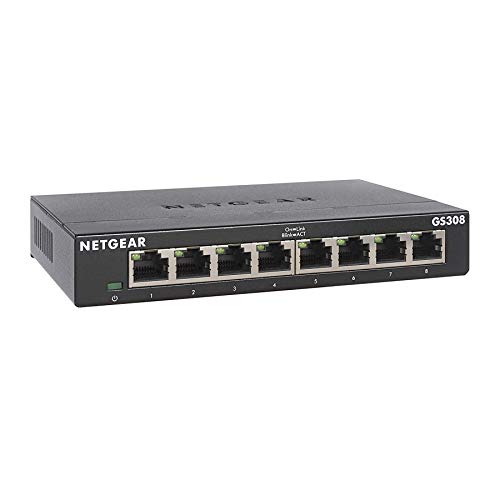
- 8 Gigabit ports for wired expansion
- Fanless metal build for silent use
- Desktop or wall mounting supported
Best For: Basic home or office networking with quiet plug-and-play setup
Smart Managed 8-Port Switch
TP-Link TL-SG108E for More Control
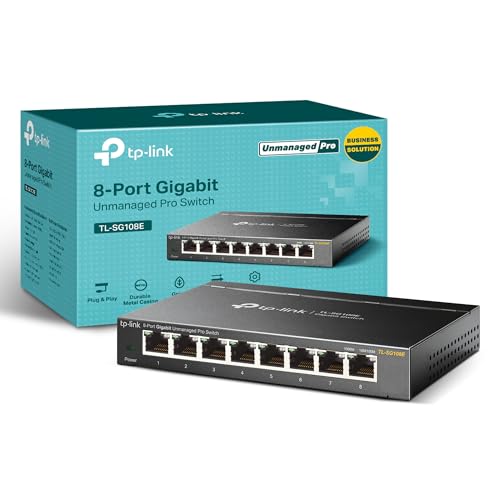
- 8 Gigabit ports with smart management
- VLAN, QoS, and LAG support
- Monitoring tools like port mirroring and diagnostics
Best For: Users needing easy smart management and traffic controls
Simple 5-Port Gigabit Switch
NETGEAR GS305 for Small Setups

- 5 Gigabit ports for wired devices
- Fanless metal design stays quiet
- Desktop or wall-mount placement
Best For: Small networks that want an easy, quiet 5-port switch
High-Capacity Home/Office Pick
TP-Link TL-SG116 16-Port Gigabit Switch
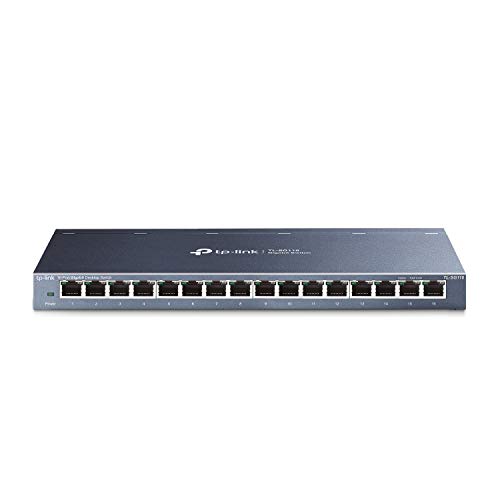
- 16 Gigabit ports for wired expansion
- Fanless metal design runs quietly
- Plug-and-play with QoS and IGMP Snooping
Best For: Small offices and home labs needing a quiet 16-port switch
Rack-Friendly Expansion Choice
NETGEAR GS324 24-Port Gigabit Switch

- 24 Gigabit ports for high-speed connectivity
- Fanless metal design for silent use
- Desktop, wall, or rack mounting support
Best For: Larger setups that need 24 ports and flexible mounting
Compact Budget Expanders
TP-Link LS1005G 5-Port Gigabit Switch

- 5 Gigabit ports for basic expansion
- Fanless and quiet for small spaces
- Tiny, lightweight body is easy to hide
Best For: Small setups needing just a few quiet Ethernet ports
Quiet 16-Port Home/Office Upgrade

- 16 gigabit Ethernet ports
- Fanless metal, silent operation
- Plug-and-play unmanaged setup
Best For: Silent, simple wired expansion for homes and small offices
2.5G Speed Boost for Multi-Gig Devices

- 8 ports with 2.5GbE support
- Auto-negotiation for 100Mb/1G/2.5G
- Fanless desktop or wall-mount design
Best For: Small multi-gig home, gaming, or office networks
Reliable Gigabit Starter Switch

- 8 gigabit RJ45 ports
- Fanless metal construction
- Plug-and-play unmanaged setup
Best For: Basic wired expansion in homes and small offices
Compact 5-Port Gigabit Switch – TP-Link TL-SG105 for Small Networks
If you need a simple way to expand wired connectivity, this TP-Link model is a practical choice among network switches. It adds five Gigabit ports, runs fanlessly for quiet operation, and is designed for plug-and-play setup with no software or configuration required.
Best For: Small home offices, desktop setups, gaming consoles, printers, and TVs that need a basic wired expansion.
Pros:
- 5 x 10/100/1000Mbps RJ45 ports with auto-negotiation and Auto MDI/MDIX
- Fanless metal design for quiet, durable operation
- Plug-and-play setup with no software installation needed
- Port-based 802.1p/DSCP QoS and IGMP snooping for traffic prioritization
Cons:
- Unmanaged design offers no advanced configuration options
- Only five ports, so larger networks may need a bigger switch
Overall, the TL-SG105 is a straightforward, low-maintenance switch that covers the essentials well. It is a strong fit when you want dependable Gigabit expansion without extra complexity.
Silent 8-Port Ethernet Switch – NETGEAR GS308 for Everyday Use
This NETGEAR option is a reliable pick if you want network switches that are easy to deploy and quiet in operation. It provides eight Gigabit Ethernet ports, supports existing Cat5e or Cat6 cabling, and uses a fanless metal design for silent, energy-efficient networking.
Best For: Homes or small offices that want a no-fuss 8-port Gigabit switch with flexible mounting.
Pros:
- 8 x 1.0Gbps Ethernet ports for high-speed connectivity
- Plug-and-play unmanaged setup with no software required
- Fanless metal design for silent operation
- Supports desktop or wall-mount placement
Cons:
- Unmanaged switch with no advanced controls
- Regional compatibility is limited to U.S. and Canada only
For buyers who just want dependable wired expansion, the GS308 keeps things simple. Its quiet operation and compact build make it an easy fit in spaces where convenience matters.
Smart Managed 8-Port Switch – TP-Link TL-SG108E for More Control
Among network switches in this size range, the TP-Link TL-SG108E stands out if you want more control than a basic unmanaged model. It adds eight Gigabit ports plus easy smart management through a web interface or free software, along with VLAN, QoS, IGMP snooping, and monitoring tools.
Best For: Users who want an affordable step up to smart-managed switching for segmentation and traffic control.
Pros:
- 8 Gigabit Ethernet ports for high-speed connectivity
- Easy smart management via web interface or free software
- Supports VLAN, QoS, link aggregation, and IGMP snooping
- Includes monitoring features like port mirroring, loop prevention, and cable diagnostics
Cons:
- More complex than a basic unmanaged switch
- Best suited to desktop use, so it is less flexible than some simpler models
If you need more than simple port expansion, this switch adds useful network tools without moving into a full enterprise setup. It is a solid choice for users who want better traffic handling and basic segmentation.
Simple 5-Port Gigabit Switch – NETGEAR GS305 for Small Setups
If you only need a few wired connections, this NETGEAR model is one of the simplest network switches to consider. It offers five Gigabit Ethernet ports, plug-and-play setup, and a compact metal design that can sit on a desk or mount on a wall.
Best For: Small home networks that need a quiet, easy-to-use 5-port Gigabit switch.
Pros:
- 5 x 1.0Gbps Ethernet ports for basic high-speed connectivity
- Plug-and-play unmanaged design with no configuration needed
- Fanless and energy-efficient operation
- Compact metal build with desktop or wall-mount support
Cons:
- Only five ports, which may be limiting as a network grows
- Unmanaged design provides no advanced controls
The GS305 is a straightforward solution for adding a few reliable wired devices without extra setup. It is best when simplicity, quiet operation, and compact size matter more than advanced features.
High-Capacity Home/Office Pick – TP-Link TL-SG116 16-Port Gigabit Switch
If you need a straightforward way to expand wired connectivity, this TP-Link network switch gives you 16 Gigabit ports in a fanless metal design. It is built for plug-and-play use, with Auto Negotiation, Auto MDI/MDIX, and energy-saving features that help keep setup simple while supporting reliable everyday traffic.
Best For: Small offices, home labs, and users who need a quiet 16-port switch for easy network expansion.
Pros:
- 16 x 10/100/1000Mbps ports for broader wired expansion
- Fanless metal case keeps operation quiet and sturdy
- Plug-and-play setup with no software or configuration needed
- Port-based 802.1p/DSCP QoS and IGMP Snooping for traffic prioritization
Cons:
- Unmanaged design offers no advanced admin controls
- Desktop or wall-mount use only, with no rack-mount kit included
For users who mainly want more ports without extra complexity, this is a practical network switch that balances silence, simplicity, and useful traffic features. Its 16-port layout makes it a strong fit when basic expansion is the main goal.
Rack-Friendly Expansion Choice – NETGEAR GS324 24-Port Gigabit Switch
The NETGEAR GS324 is a simple network switch for users who need a larger port count and flexible placement. With 24 Gigabit Ethernet ports, auto-negotiating connections, and a fanless metal enclosure, it is designed to deliver easy wired expansion with quiet operation in desktop, wall, or rack setups.
Best For: Larger homes, small offices, and AV or equipment setups that need 24 ports and flexible mounting.
Pros:
- 24 x 1.0Gbps ports for high-speed connectivity
- Plug-and-play unmanaged setup keeps installation simple
- Fanless design supports silent operation
- Desktop, wall-mount, or rack-mount placement options
Cons:
- Unmanaged switch with no advanced configuration features
- Made for U.S. and Canada only
For buyers who want a larger, flexible network switch without adding setup complexity, the GS324 is easy to place and easy to use. Its combination of 24 ports and rack-ready mounting makes it especially useful when wired devices keep multiplying.
Compact Budget Expanders – TP-Link LS1005G 5-Port Gigabit Switch
The TP-Link LS1005G is a compact network switch built for adding a few wired connections without taking up much space. It offers Gigabit speeds, fanless operation, and a tiny plastic body that can be tucked out of sight, making it a simple choice for basic home or desk-side expansion.
Best For: Small setups that only need a handful of quiet Gigabit Ethernet ports.
Pros:
- 5 RJ45 ports with 10/100/1000Mbps speeds
- Fanless design supports quiet operation
- Very small and lightweight for easy placement
- Plug-and-play setup requires no software installation
Cons:
- Plastic case is less rugged than metal alternatives
- Limited port count for growing networks
If you only need a few extra wired connections, this is a practical and low-profile network switch. It keeps the focus on simplicity and compact size, which makes it a good fit for small spaces and basic expansion needs.
Quiet 16-Port Home/Office Upgrade – NETGEAR GS316v3
If you need a straightforward network switch for adding more wired connections, the NETGEAR GS316v3 keeps things simple. This unmanaged model offers 16 gigabit Ethernet ports, plug-and-play setup, and a fanless metal design that fits neatly into a home office or small workspace.
Best For: Users who want a silent, easy-to-install 16-port switch for desktops, printers, and everyday wired devices.
Pros:
- 16 auto-negotiating 1.0 Gbps ports for high-speed wired connectivity
- Plug-and-play unmanaged setup with no configuration required
- Fanless metal housing for silent operation
- Desktop or wall-mount placement for flexible installation
Cons:
- Unmanaged design offers no advanced network controls
- Made for use in the U.S. and Canada only
Overall, this is a practical pick if you want a durable, quiet switch that expands wired networking without adding complexity. Its 16-port layout makes it especially useful when you have several devices to connect at once.
2.5G Speed Boost for Multi-Gig Devices – TP-Link TL-SG108S-M2
The TP-Link TL-SG108S-M2 is a compact option for buyers who want a faster network switch without moving to a managed setup. With 8 multi-gig 2.5GbE ports, auto-negotiation, and fanless operation, it is aimed at users connecting WiFi 6 access points, NAS units, gaming PCs, and other high-bandwidth devices.
Best For: Anyone building a small multi-gig wired setup for home, gaming, or a compact office.
Pros:
- 8 ports with 2.5GbE support and up to 40 Gbps switching capacity
- Auto-negotiation supports 100Mb, 1G, and 2.5G devices
- Fanless design for quiet operation
- Desktop or wall-mount flexibility with a compact footprint
Cons:
- Unmanaged switch with no advanced configuration options
- Best suited to users with devices that can benefit from multi-gig speeds
This is a smart upgrade if your wired gear can actually use faster-than-gigabit connections. It keeps installation simple while giving you a clear performance bump for compatible devices.
Reliable Gigabit Starter Switch – TP-Link TL-SG108
The TP-Link TL-SG108 is a classic unmanaged network switch for adding wired ports without setup headaches. It provides 8 gigabit RJ45 ports, a sturdy metal shell, and fanless operation, making it a dependable fit for everyday home or small office networking.
Best For: Buyers who want a simple, durable 8-port gigabit switch for basic wired expansion.
Pros:
- 8 gigabit ports for computers, printers, and gaming consoles
- Plug-and-play design with no configuration required
- Fanless operation for quiet environments
- Metal housing with shielded ports for durability and heat dissipation
Cons:
- Unmanaged design does not include advanced admin controls
- Only 8 ports, so larger setups may outgrow it quickly
For straightforward wired networking, this switch covers the essentials well. It is a practical choice when you want quiet operation, durable construction, and simple expansion at gigabit speeds.
How We Picked These Network Switches
We focused on practical buyer needs: port count, Ethernet speed, unmanaged vs. managed operation, build quality, and value. We also considered whether each switch fits common real-world uses like home offices, streaming setups, gaming rooms, NAS access, and small business networks.
Because many buyers want a simple plug-and-play solution, we gave extra weight to fanless designs, metal housings, and models with shielded ports. For users who need more control, we also included an easy smart managed option with useful features like QoS and VLAN support.
Quick Comparison
For basic expansion, 5-port switches are the most compact and affordable choice. Eight-port models are the best all-around pick for most homes and workspaces because they offer room to grow without taking up much space. Sixteen- and 24-port switches are better when you need to connect multiple rooms, workstations, or AV devices from one central location. If you move large files or use fast storage, a 2.5G model can be the better long-term choice.
Key Buying Factors for Network Switches
Port Count
Count every device you expect to connect now, then add a few extra ports for future devices. Running out of ports is one of the most common reasons people replace a switch sooner than expected.
Speed
Gigabit is still the standard for most homes and small offices. If you routinely move large files between PCs, servers, or NAS devices, multi-gigabit networking can cut transfer times significantly.
Managed Vs. Unmanaged
Unmanaged switches are best when you want simple plug-and-play expansion. Managed or smart managed Network Switches are better if you need traffic prioritization, VLAN segmentation, or more control over how devices communicate.
Form Factor and Noise
Fanless switches are usually quieter and better for desks, shelves, and home offices. Metal housings often improve durability and help with heat dissipation, which is useful in always-on environments.
Power and Placement
Think about where the switch will live. Desktop models are easy to place near a router or modem, while wall-mountable and rack-friendly options work better for structured wiring, closets, and larger installs.
Who Should Buy Which Network Switches?
If you only need a few extra ports for a router, printer, console, or smart TV, a 5-port switch is usually enough. If you want the most balanced option for a family home or home office, an 8-port switch is often the sweet spot.
If your setup includes many wired devices or you are expanding into a larger office, 16- or 24-port Network Switches offer better scaling and less cable juggling. If speed is the priority, choose a 2.5G switch for high-throughput devices and faster local transfers. For buyers who want simple administration and traffic control, a smart managed model is the right fit.