The best XLR condenser microphones can give vocals, podcasts, streams, and instruments a detailed, studio-style sound—provided you pair them with suitable audio equipment.
We compare 10 options across established studio models, affordable home-recording microphones, and complete kits to help you choose the right fit for your setup and budget.
Best 10 Xlr Condenser Microphones Picks for 2026
Best Overall Value

- Strong price-to-performance studio option
- Cardioid pattern improves source isolation
- High SPL handling supports vocals and instruments
Best For: Home-studio recording and flexible everyday use
Best Budget Large-Diaphragm Pick

- Affordable professional-quality condenser design
- Includes shock mount and XLR cable
- Cardioid pickup reduces ambient sound
Best For: Budget-conscious home and large studio setups
Best for Streaming

- Custom capsule captures clear vocals
- Precise cardioid pattern minimizes room sound
- Includes a mic stand mount
Best For: Streaming, gaming, and voice recording with an interface
Best Complete Vocal Package

- Whisper-quiet 4.5 dBA self-noise
- Includes shock mount, pop filter, and XLR cable
- Tight cardioid pattern focuses vocals
Best For: Vocalists and streamers wanting a ready-to-record setup
Best Hybrid Pick

- USB and XLR connectivity
- 192kHz/24-bit USB recording
- Includes arm stand and accessories
Best For: Flexible podcast and voiceover setups
Best Low-Noise Studio Pick
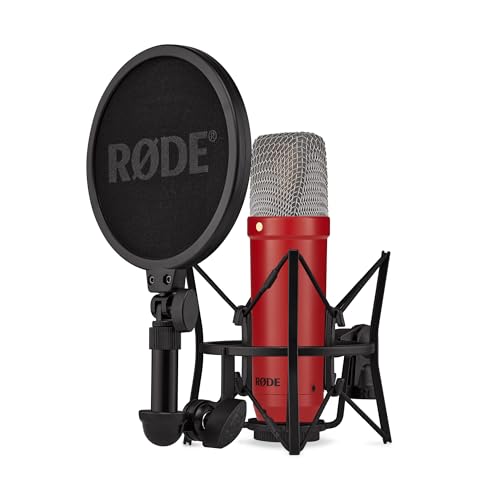
- 4dBA self-noise
- Large-diaphragm cardioid capsule
- Shock mount, pop filter, and XLR cable included
Best For: Studio vocals, music, and podcast recording
Best Budget Home Studio Pick

- Cardioid pattern reduces rear and side noise.
- 130dB maximum SPL handles louder sources.
- Includes a metal tripod stand and mounting threads.
Best For: Budget home recording, streaming, and podcasting
Best Versatile Recording Value

- Clear, detailed capture for vocals and instruments.
- 150dB SPL handling supports loud sources.
- Includes a pad and bass-cut filter.
Best For: Home and project-studio recording
Best Complete XLR Mic Kit

- Includes boom arm, shock mount, pop filter, and XLR cable.
- Cardioid design helps limit background pickup.
- Steel arm clamp fits desks up to 2.4 inches thick.
Best For: Podcasting, streaming, voice-over, and new home studios
Best Overall Value – Audio-Technica AT2020
The Audio-Technica AT2020 is a dependable entry point into xlr condenser microphones for project and home studios. Its cardioid pattern helps isolate the intended source, while high SPL handling and a wide dynamic range support vocals and instruments.
Best For: Home-studio recording and buyers seeking strong price-to-performance value.
Pros:
- Cardioid pickup reduces sound from the sides and rear.
- High SPL handling and wide dynamic range offer recording flexibility.
- Includes a stand mount, thread adapter, and protective pouch.
Cons:
- Requires phantom power and an audio interface or compatible recording setup.
- Does not include a shock mount or XLR cable.
The AT2020 is a practical, versatile choice when you want a proven XLR condenser without moving beyond a straightforward studio setup.
Best Budget Large-Diaphragm Pick – Mackie EM-91C
The Mackie EM-91C brings large-diaphragm condenser performance to a budget-conscious studio setup. As one of the more accessible xlr condenser microphones, it combines a cardioid pattern with a rugged build and includes the key accessories needed to get started.
Best For: Home and large studios that want an affordable vocal or instrument microphone.
Pros:
- Large-diaphragm condenser capsule suits studio vocals and instruments.
- Cardioid pattern helps reduce ambient sound.
- Includes a shock mount and XLR cable.
Cons:
- Requires a compatible audio mixer or XLR recording setup.
- Its feature set is focused on essential studio use rather than added controls.
The EM-91C is a sensible starter microphone for shoppers prioritizing affordability, basic isolation, and useful included accessories.
Best for Streaming – Logitech Blue Ember XLR
The renewed Logitech Blue Ember is a focused option among xlr condenser microphones for recording, gaming, and streaming. Its custom cardioid capsule emphasizes the voice, while the XLR connection works with audio interfaces and mixers.
Best For: Streamers, gamers, and creators using an interface or mixer.
Pros:
- Custom condenser capsule delivers clear, detailed vocal capture.
- Precise cardioid pattern minimizes room sound.
- Includes a mic stand mount and supports a wide, consistent frequency response.
Cons:
- This renewed model carries a 90-day warranty.
- Requires phantom power through a suitable interface or mixer.
The Ember fits voice-first setups well, especially when you want a compact XLR microphone for streaming or spoken-word recording and already have compatible equipment.
Best Complete Vocal Package – RØDE NT1 Signature
The RØDE NT1 Signature is a polished choice among xlr condenser microphones for vocal recording and streaming. It pairs the NT1’s large-diaphragm studio voicing with notably low self-noise, a tight cardioid pattern, and a bundled shock mount, pop filter, and XLR cable.
Best For: Vocalists and streamers who want a ready-to-record microphone package.
Pros:
- Very low 4.5 dBA self-noise keeps the recording path quiet.
- Tight cardioid pattern focuses on vocals and rejects room sound.
- Includes an SM6 shock mount with pop filter, XLR cable, and dust cover.
Cons:
- Requires an audio interface and phantom-powered setup.
- Designed primarily for focused studio vocal recording rather than multi-pattern use.
With its quiet operation and complete accessory bundle, the NT1 Signature is a strong upgrade for creators who want fewer extra purchases before recording.
Best Hybrid Pick – MAONO A04 Gen2
For shoppers comparing xlr condenser microphones, the MAONO A04 Gen2 stands out as a flexible hybrid option. It supports both XLR and USB connections, with USB plug-and-play convenience and XLR compatibility when paired with 48V phantom power.
Best For: Podcasters, streamers, voiceover creators, and home users who want one microphone for both computer and interface-based recording.
Pros:
- Offers both XLR and USB connectivity for flexible setups.
- Supports up to 192kHz/24-bit recording in USB mode.
- Includes a shock mount, pop filter, windscreen, and adjustable arm stand.
- MAONO Link provides USB-mode gain, noise reduction, EQ, compressor, and limiter controls.
Cons:
- XLR mode requires separate 48V phantom power.
- An XLR cable is not included.
- Software controls are available only in USB mode.
The A04 Gen2 is a practical all-in-one choice if you want to start with USB and retain the option to move to an audio interface later. Its included accessories make it especially convenient for a basic desktop recording setup.
Best Low-Noise Studio Pick – RØDE NT1 Signature Series
The RØDE NT1 Signature Series is a focused choice among xlr condenser microphones for users building a traditional studio setup. Its large-diaphragm cardioid capsule combines a smooth response with high SPL handling and exceptionally low 4dBA self-noise.
Best For: Vocal recording, music production, podcasting, and streaming through an audio interface.
Pros:
- Large-diaphragm HF6 true condenser capsule delivers a smooth frequency response.
- Very low 4dBA self-noise suits detailed recording.
- Handles high sound pressure levels for louder sources.
- Includes a shock mount, pop filter, and premium XLR cable.
Cons:
- Uses XLR only, so an audio interface is required.
- Does not provide the direct USB connectivity found on hybrid microphones.
Choose the NT1 Signature Series when recording quality and low microphone noise matter more than plug-and-play computer connectivity. The included studio accessories and 10-year warranty with registration add value to a more permanent setup.
Best Desktop Budget Setup – PROAR XLR Condenser Microphone
This PROAR model is a straightforward option for shoppers seeking xlr condenser microphones with a compact desktop arrangement. Its cardioid capsule, metal chassis, weighted stand, shock mount, and pop filter are geared toward focused vocal recording for podcasts, streams, and calls.
Best For: Desktop podcasting, gaming commentary, streaming, singing, and voiceover when you already have an audio interface or mixer.
Pros:
- Includes a weighted desktop stand for a simple workspace setup.
- Cardioid pickup helps focus on sound from the front.
- Handles up to 130dB SPL for loud voices and instruments.
- Bundle includes a shock mount, pop filter, and XLR-to-XLR cable.
Cons:
- Requires an external interface or mixer with 48V phantom power.
- Audio interface and phantom-power equipment are not included.
- Provides XLR connectivity only.
The PROAR is best considered a complete microphone-side bundle rather than a full recording system. It can be a sensible desktop pick if your existing interface supplies phantom power and you prefer a stable stand over a clamp-mounted arm.
Best Budget Home Studio Pick – FIFINE K669C
The FIFINE K669C is a straightforward choice among xlr condenser microphones for home recording, podcasting, streaming, and demos. Its cardioid pickup pattern, 16mm diaphragm, and 48V phantom-power requirement make it a practical match for an audio interface or mixer.
Best For: Budget-conscious creators who want a simple XLR setup with a included desktop tripod stand.
Pros:
- Cardioid pickup helps reduce sound from the sides and rear.
- 130dB maximum SPL supports louder vocals and guitar amps.
- All-metal body and included tripod stand offer a sturdy desktop setup.
- Built-in 3/8-inch and 5/8-inch threads support future boom-arm mounting.
Cons:
- XLR cable is not included.
- Requires 48V phantom power and an audio interface, mixer, or compatible preamp.
- No onboard headphone monitoring or volume control.
The K669C keeps the recording chain uncomplicated and focuses on clean vocal capture. It is a sensible starting point if you already have—or plan to add—the required interface and phantom power.
Best Versatile Recording Value – AKG P120
The AKG P120 is one of the more versatile xlr condenser microphones for recording vocals, speech, and instruments. Its cardioid pattern, 20Hz–20kHz response, and high SPL handling suit both home studios and selected live-recording applications.
Best For: Home and project-studio users seeking a durable microphone for vocals and instruments.
Pros:
- Low-mass diaphragm is designed for clear, detailed sound.
- Handles sound levels up to 150dB without distortion.
- Includes a -20dB preattenuation pad and bass-cut filter.
- Compatible with common audio interfaces and phantom-power setups.
Cons:
- Only a stand adapter is included, so additional accessories may be needed.
- Requires phantom power through suitable recording equipment.
- Its cardioid pattern is less suited to capturing sound evenly from all directions.
The P120 stands out for combining useful signal controls with strong SPL capacity. It is a flexible option when one microphone needs to cover speech, vocals, and instrument recording.
Best Complete XLR Mic Kit – TONOR TC20
The TONOR TC20 is a convenient all-in-one choice among xlr condenser microphones for podcasting, voice-over, streaming, and home-studio work. Along with the cardioid microphone, the kit includes a boom arm, shock mount, pop filter, cover, and XLR cable.
Best For: New creators who want a complete desk-mounted recording setup in one package.
Pros:
- Kit includes a steel T20 boom arm, shock mount, pop filter, and 2m XLR cable.
- Cardioid pattern helps suppress sound from the sides and rear.
- Low-noise FET preamplifier and high SPL handling support smooth vocal recording.
- Desk clamp fits surfaces up to 2.4 inches thick and supports microphones up to 4 pounds.
Cons:
- Requires 48V phantom power from an interface, mixer, or preamp.
- The included boom-arm setup takes more desk space than a compact tripod.
- It is a heavier overall kit at about 1.9kg.
The TC20 offers strong value for anyone building a recording station from scratch. Its included mounting and filtering accessories reduce the need to shop for essential add-ons separately, provided you have the required phantom-power source.
How We Picked These Xlr Condenser Microphones
We focused on microphones that use an XLR connection and are suitable for recording, podcasting, streaming, voiceover, or music. The selection considers brand reputation, capsule design, pickup pattern, stated frequency response, included accessories, ease of setup, and overall value.
Because condenser microphones generally need 48V phantom power, we also considered how practical each model is with an audio interface, mixer, or compatible preamp. Complete kits were included for buyers who want a faster path to recording, while standalone microphones remain better for shoppers building a more customized signal chain.
Quick Comparison
| Best For | What to Look For |
|---|---|
| Home studios | Cardioid pickup, low self-noise, and reliable interface compatibility |
| Podcasting and voiceover | Clear midrange detail, a boom arm or stand, and pop-filter support |
| Streaming | Simple gain control, convenient mounting, and good room rejection |
| Vocals and instruments | Balanced frequency response and enough headroom for louder sources |
| First XLR setup | A bundled stand, shock mount, cable, or other useful accessories |
Key Buying Factors for Xlr Condenser Microphones
Power and Connections
Confirm that your interface, mixer, or preamp supplies 48V phantom power. An XLR microphone will not usually connect directly to a computer without an audio interface or another compatible device. Some hybrid models also offer USB, which can be useful for flexible setups.
Polar Pattern and Room Sound
Cardioid microphones prioritize sound from the front and reduce pickup from the rear, making them a practical choice for one-person recording. However, they do not eliminate room reflections. A quieter room and basic acoustic treatment can improve results as much as changing microphones.
Sound, Sensitivity, and Noise
Condenser capsules capture fine detail and can make speech and vocals sound open, but they may also reveal keyboard noise, fans, traffic, and untreated-room reflections. Check self-noise specifications when available, and choose a microphone with enough maximum SPL for loud instruments.
Accessories and Placement
A shock mount, pop filter, stand, boom arm, and XLR cable can add meaningful value, particularly for new buyers. Position the microphone a few inches from the speaker, slightly off-axis if plosive sounds are a problem, and keep the capsule aimed consistently at the sound source.
Who Should Buy Which Xlr Condenser Microphones?
Choose an established standalone studio microphone if you already own an interface and want a dependable foundation for vocals or instruments. A bundled kit is more convenient for new podcasters, streamers, and home-recording beginners who need mounting hardware immediately. USB/XLR models suit users who want computer-friendly operation now while keeping the option to expand into an interface later.
For the best result, prioritize compatibility and room conditions over appearance or accessory count. A well-placed microphone in a controlled room will generally outperform a more expensive model used too far away, pointed incorrectly, or connected to an inadequate input.