If you move photos, 4K video, or backups between cards and your Mac, the right reader can save time and frustration. A good iMac USB C card reader should be fast, dependable, and compatible with the cards you actually use.
Below, we focus on practical options for creators, travelers, and everyday users who want simple plug-and-play performance without unnecessary clutter.
Best 10 IMac USB C Card Reader Picks for 2026
Apple Pick

- UHS-II SD support for fast transfers
- Won’t block nearby ports on your Mac
- Works with USB-C Mac, iPad, and iPhone
Best For: SD card users who want a compact Apple-made reader
Multi-Card Value
BENFEI 4-in-1 USB-C/USB 3.0 Reader

- Supports SD, microSD, MS, and CF cards
- Can read four cards at once
- Works with USB-C and USB 3.0
Best For: Mixed-memory users who want one reader for multiple card types
Compact Dual-Slot
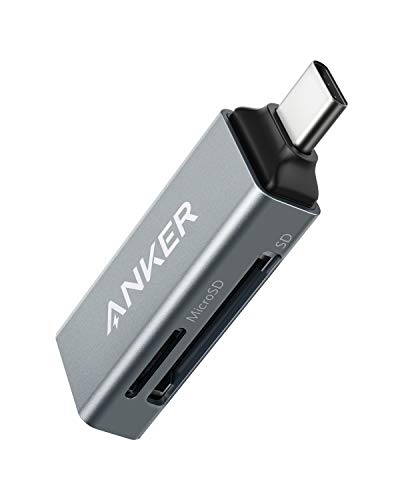
- Dual slots for SD and microSD cards
- Ultra-compact design for tight setups
- 18-month warranty included
Best For: Users who mainly transfer files from SD and microSD cards
All-in-One OTG

- Supports SD, TF, CF, and Memory Stick
- Includes a detachable USB-C to USB adapter
- Plug-and-play across many devices
Best For: Cross-platform users who need broad card and port compatibility
Dual-Slot Speed Pick

- Reads SD and microSD at the same time
- Up to 5Gbps transfer speed
- Aluminum body with plug-and-play setup
Best For: Dual-card workflows on Mac and other USB-C devices
Simple One-Slot Option

- Single SD slot with plug-and-play use
- Compact and easy to travel with
- Works with iMac and other USB-C devices
Best For: Lightweight, occasional SD-card transfers
Dual-Header Utility Pick

- USB-C and USB-A dual header design
- Dual SD and microSD slots
- 5Gbps transfer with aluminum build
Best For: Users who move cards between modern and older computers
Compact Dual-Card Pick
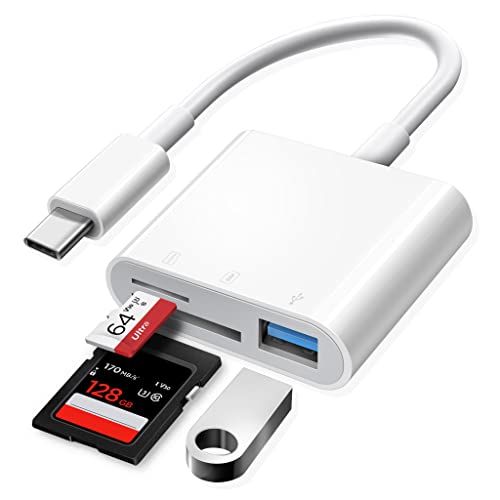
- SD and microSD support
- Built-in USB-C cord
- No driver or extra power needed
Best For: simple, port-friendly transfers on iMac and other USB-C devices
Best All-in-One Option
BnmxTek USB C to SD Card Reader

- SD and microSD slots
- USB-A expansion port
- Plug-and-play on major systems
Best For: users who want card and USB accessory support in one reader
Best for Mixed Camera Media

- CompactFlash, SD, and microSD
- Built-in USB-C cord
- No driver or extra power required
Best For: photographers who still use CompactFlash alongside SD cards
Apple Pick – Apple USB-C to SD Card Reader
If you want a straightforward iMac USB C card reader for moving camera files fast, Apple’s USB-C to SD Card Reader keeps things simple. It focuses on SD cards only, but it does so with UHS-II support and a design that won’t block neighboring ports on your Mac.
Best For: Mac users who mainly work with SD cards and want Apple’s own compact reader.
Pros:
- Supports UHS-II SD cards for high-resolution photos and videos
- Backward compatible with other SD cards and adapters
- Built to avoid blocking adjacent ports
- Works with USB-C enabled Mac, iPad, and iPhone
Cons:
- Only covers SD cards, not microSD, CF, or MS formats
- No multi-slot flexibility for mixed-memory workflows
For photographers who mainly shoot on SD, this is the cleanest no-fuss option in the group. It is the most focused pick here, which also makes it the easiest to recommend for a minimalist desk setup.
Multi-Card Value – BENFEI 4-in-1 USB-C/USB 3.0 Reader
The BENFEI 4-in-1 is a practical iMac USB C card reader if you need one adapter for several card types. It combines USB-C and USB 3.0 support, reads four formats, and is built for users who move files between different cameras and devices.
Best For: Users who need a budget-friendly reader for SD, microSD, MS, and CF cards.
Pros:
- Reads SD, microSD, MS, and CF cards
- Can read 4 cards at the same moment
- Works through USB-C and USB 3.0 ports
- UHS-I transfer speeds up to 160MB/sec
Cons:
- Final speed depends on the card and USB port type
- Not all Memory Stick formats are supported
- CF Type I is listed as incompatible
This is the most versatile option in the roundup if your workflow involves mixed card formats. It is less specialized than a single-slot reader, but the broad compatibility makes it a strong everyday choice.
Compact Dual-Slot – Anker 2-in-1 USB-C SD Reader
The Anker SD Card Reader is a compact iMac USB C card reader for users who mainly need SD and microSD support. Its dual-slot design keeps it simple, and the small footprint makes it easy to use alongside other peripherals.
Best For: People who want a tiny dual-slot reader for SD and microSD cards.
Pros:
- Two slots for standard SD and microSD cards
- Ultra-compact size works well next to other peripherals
- Optimized for USB-C devices and Mac OS
- Includes an 18-month warranty
Cons:
- Does not support CF or Memory Stick formats
- May require removing a device case for use
If your card workflow is mostly SD-based, this Anker reader keeps the setup clean and portable. It is a strong fit for quick file transfers without adding bulk to your desk or bag.
All-in-One OTG – 4-in-1 USB-C/USB Card Reader
This 4-in-1 reader is a flexible iMac USB C card reader for people who move files across phones, tablets, Macs, and PCs. It supports USB-C plus a detachable USB adapter, so you can plug into newer devices or older USB ports without changing readers.
Best For: Cross-platform users who need SD, TF, CF, and Memory Stick support.
Pros:
- Supports SD, TF, CF, and Memory Stick cards
- Includes a detachable USB-C to USB adapter
- Works with iPhone, iPad, Mac, Android, and Windows devices
- Plug-and-play design with no driver or software needed
Cons:
- Not compatible with Wi-Fi SD cards
- Bulkier than simpler single-format readers
This is the most cross-device friendly pick if you jump between ecosystems and card formats. It gives you broad compatibility in one unit, which is useful when you need a reader that can travel with a laptop or phone setup.
Dual-Slot Speed Pick – Acer USB-C SD Reader
If you want an iMac USB C card reader that can handle both SD and microSD cards without constant swapping, this Acer dual-slot model is built for quick, practical file transfers. Its USB-C 3.0 connection supports up to 5Gbps, and the short 15cm cable helps keep your desktop setup tidy while leaving nearby ports accessible.
Best For: Users who want dual-card flexibility and fast transfers on macOS desktops and laptops.
Pros:
- Dual slots let you read and write two cards at the same time.
- USB-C 3.0 transfer speeds up to 5Gbps for fast file movement.
- Aluminum body is designed to help with heat dissipation during long transfers.
- Plug-and-play support for macOS, Windows, Linux, and Chrome OS.
Cons:
- Does not support CF, XQD, MS, SSD, or UHS-II cards.
- Thick cases may block full insertion.
- Cards are not included.
For iMac users who regularly move media from both camera and drone cards, this is a straightforward high-speed option with broad USB-C compatibility. It’s best when you need efficient transfers rather than specialized card-format support.
Simple One-Slot Option – iPhone USB-C SD Reader
This iMac USB C card reader is a simple single-slot choice for quickly moving photos and videos from an SD card to a USB-C device. It uses a USB 2.0 connection with speeds up to 60MB/s, and the compact plug-and-play design makes it easy to toss in a bag for travel or casual use.
Best For: People who want a compact, no-fuss SD reader for occasional transfers.
Pros:
- Compact, lightweight design that’s easy to carry.
- Plug-and-play operation with no app or internet needed.
- Works with SD, SDHC, SDXC, and microSD cards.
- Supports USB-C phones, tablets, laptops, and iMac.
Cons:
- Single slot only, so it cannot handle two cards at once.
- USB 2.0 speeds are slower than USB 3.0 readers.
- Not compatible with Lightning port devices.
If you mainly want a basic reader for fast access to camera cards on a Mac or other USB-C device, this model keeps things simple. It’s a sensible pick for light-duty transfers where portability matters more than top-end speed.
Dual-Header Utility Pick – Acer USB-C/USB-A Reader
For anyone shopping for an iMac USB C card reader with extra flexibility, this Acer model stands out because it supports both USB-C and USB-A connections. It offers 5Gbps transfer speeds, dual card slots, and a compact aluminum build, making it a versatile option for users who switch between newer Macs and older computers.
Best For: Buyers who need one reader that works across USB-C and USB-A devices.
Pros:
- Dual header design supports both USB-C and USB-A ports.
- Reads and writes microSD and SD cards simultaneously.
- 5Gbps transfer speed with USB 3.0 support.
- Compact aluminum body with protective covers and attached cord.
Cons:
- Does not support Lightning devices.
- Thick cases may prevent full insertion.
- Not compatible with CF express, XQD, MS, or Memory Stick formats.
This is the most adaptable option in the group if you move cards between an iMac and older USB-A machines. It’s especially useful for people who want one reader that can cover mixed hardware without adding extra adapters.
Compact Dual-Card Pick – Oyuiasle USB C SD Card Reader
If you want an iMac USB C card reader that keeps things simple, this Oyuiasle model is built for quick SD and microSD transfers with no app, driver, or extra power required. Its built-in USB-C cord also helps keep adjacent ports free, which is useful on tighter desktop setups.
Best For: Users who want a compact, plug-and-play reader for SD and microSD cards on an iMac, MacBook, or iPad.
Pros:
- Supports SD and microSD cards with two-way transfer.
- Built-in USB-C cord helps avoid blocking nearby ports.
- Works with Mac, iMac, iPad, and USB-C phones/tablets.
- Also supports USB peripherals like flash drives, keyboards, and mice.
Cons:
- SD and microSD cards cannot be read at the same time.
- Transfer speed is listed at 30 megabits per second.
For straightforward photo and video importing, this reader covers the basics well and keeps the workflow easy. The added USB peripheral support is a practical bonus if you need a flexible desk-side adapter.
Best All-in-One Option – BnmxTek USB C to SD Card Reader
This iMac USB C card reader is a good choice if you want SD and microSD access plus a USB-A expansion port in one compact adapter. It is designed for plug-and-play use, so you can move photos, videos, and documents without installing software.
Best For: Creators who want a USB-C reader with SD, microSD, and USB-A expansion for Mac or iMac setups.
Pros:
- Supports SD, SDHC, SDXC, Micro SD, Micro SDHC, and Micro SDXC cards.
- Includes a USB-A female port for flash drives and other USB peripherals.
- Plug-and-play with MacOS, Windows, Linux, Chrome, and iPadOS Files.
- Built-in USB-C cable keeps side-by-side port access easier.
Cons:
- SD and MicroSD cards cannot be read at the same time.
- Not compatible with Lightning iPhones.
If you need a little more versatility than a basic card reader, this model stands out for its extra USB-A port. It is especially practical for users who regularly switch between memory cards and USB accessories on a USB-C computer.
Best for Mixed Camera Media – ChiaoPio USB C SD CF Reader
For anyone looking for an iMac USB C card reader that handles more than standard SD media, this ChiaoPio model adds Compact Flash support alongside SD and microSD. It uses a built-in USB-C cord, needs no driver or extra power, and is aimed at fast access to camera files on USB-C Macs and iPads.
Best For: Photographers who need CF, SD, and microSD support for an iMac, MacBook, or USB-C iPad.
Pros:
- Supports CompactFlash, SD, and microSD cards in one reader.
- Built-in USB-C cord helps preserve adjacent ports.
- Plug-and-play with iPad, MacBook, iMac, and Windows.
- No additional power required.
Cons:
- Listed data transfer rate is 30 megabits per second.
- Not compatible with Lightning ports.
- SD, CF, and microSD are not presented as simultaneous-use slots.
This is the strongest pick in the group for users with older camera media that still relies on CompactFlash. If your workflow includes mixed card types, it offers broader coverage than a standard SD-only adapter.
How We Picked the Best IMac USB C Card Reader
We focused on readers that make sense for an iMac setup: USB-C connectivity, broad card compatibility, stable transfer performance, and a design that is easy to use on a desk. We also favored models that support common workflows like camera offloads, SD and microSD transfers, and multi-card convenience.
When comparing an IMac USB C Card Reader, the goal is not just raw speed. Reliable mounting, consistent read/write behavior, and support for the card types you own matter just as much.
Quick Comparison
The lineup breaks into a few clear groups. Single-slot Apple-style readers are best for simple SD workflows and minimal desk clutter. Dual-slot and multi-format readers are better if you switch between SD and microSD often or work across multiple devices. If you handle older media, look for CF or MS support. For most iMac users, the best value comes from a reader that matches your exact card types instead of paying for formats you will never use.
Key Buying Factors for an IMac USB C Card Reader
Card Compatibility
Check whether you need SD, microSD, CF, or legacy formats like MS. A reader can look versatile but still miss the one card type you use most.
Speed and Real-World Transfer Performance
USB-C and USB 3.x labels are helpful, but sustained performance is what matters. If you regularly move large photo libraries or video files, prioritize stable high-speed transfer over marketing claims.
Build Quality and Cable-Free Design
For desk use with an iMac, compact aluminum or low-profile designs are often easier to manage. They also tend to sit more securely and reduce strain on the port.
Portability and Workflow
If you travel, a compact reader with dual slots may be the sweet spot. If your workflow includes multiple card formats or frequent offloads, a multi-slot model can reduce the need for adapters.
Device and OS Compatibility
Make sure the reader is compatible with macOS and works cleanly with your iMac’s USB-C or USB-A setup if you use hubs. Some readers are also designed for iPhone and iPad, which can be useful if you want one accessory across devices.
Who Should Buy Which IMac USB C Card Reader?
Choose a single-slot reader if you mostly shoot on SD cards and want the simplest option. Pick a dual-slot reader if you use SD and microSD equally often. Go for a 4-in-1 or multi-format model if you manage different card standards, work with legacy camera gear, or want one reader for a mixed-device setup. If your priority is a clean, dependable desktop accessory for an iMac, a compact USB-C reader with only the card slots you need is usually the smartest buy.