Dynamic microphones with built-in preamps make it easier to capture strong, clear vocals without relying on a high-gain audio interface. They are especially useful for podcasting, streaming, gaming, voice-over work, and untreated rooms where background noise can be a concern.
This roundup compares 10 options spanning active XLR microphones, USB/XLR models, microphone kits, and standalone inline preamps. Focus on connection type, gain requirements, monitoring features, and included accessories to find the best fit for your setup.
Best 10 Dynamic Microphones with Built in Preamp Picks for 2026
Best Premium Built-In Preamp Mic
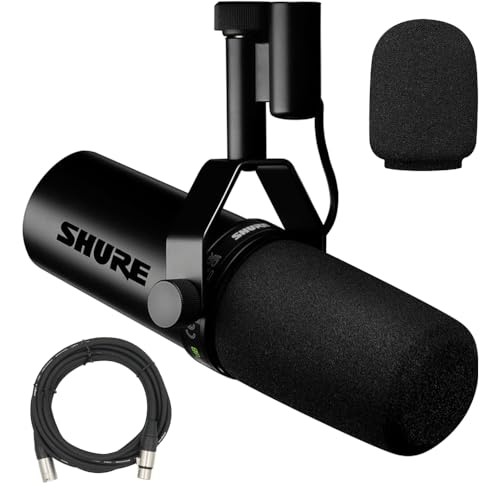
- Selectable +18 or +28 dB low-noise gain
- Classic warm SM7B-style vocal sound
- Includes windscreen and 20-foot XLR cable
Best For: Serious podcasting, streaming, vocals, and recording
Best External Preamp Booster

- Adds up to +25 dB of clean gain
- Balanced XLR input and output
- Compact metal chassis for desktop or mobile use
Best For: Adding gain to dynamic and passive ribbon microphones
Best Complete Podcast Setup

- Switchable +30 dB gain with 48V phantom power
- Six EQ configurations for onboard tone shaping
- Integrated pop filter and shockmount
Best For: Podcasters and streamers building a convenient vocal setup
Best Simplified SM7B-Style Setup

- Selectable +18 or +28 dB onboard gain
- Cardioid isolation for focused vocals
- Rugged build with EQ switches and windscreen
Best For: XLR podcasting, streaming, and vocal recording
Flexible USB/XLR Pick

- USB and XLR connectivity
- Boom arm, shock mount, and windscreen included
- Mute, gain, and headphone monitoring controls
Best For: Podcasters and streamers building a flexible starter setup
Built-In Preamp Specialist
sE Electronics DynaCaster DCM6

- Switchable +30 dB gain with 48V phantom power
- Integrated pop filter and shockmount
- Cardioid XLR design for speech recording
Best For: XLR-based podcasting, broadcasting, and voiceover
Smart Processing Upgrade

- USB-C and XLR outputs
- Auto level and real-time denoising
- LED touch panel with mute control
Best For: Creators wanting consistent, processed podcast and stream audio
Boost-Ready Creator Mic

- Up to 25 dB GainCast XLR boost
- USB-C and XLR connectivity
- Touch EQ, gain, mute, and monitor controls
Best For: Creators seeking built-in gain and flexible USB-C/XLR recording
Complete Boom Arm Kit

- USB and XLR connectivity
- Includes metal boom arm and shock mount
- USB gain, mute, and headphone controls
Best For: Podcasters and streamers wanting a ready-to-mount microphone kit
Flexible Desk Recording Mic

- USB and XLR outputs
- USB gain, mute, and headphone monitoring
- Includes shock mount and windscreen
Best For: Creators with existing mounting gear who want USB controls and XLR flexibility
Best Premium Built-In Preamp Mic – Shure SM7dB
The Shure SM7dB is a premium choice among dynamic microphones with built in preamp, combining the familiar SM7B-style warm vocal tone with up to 28 dB of selectable, low-noise gain. It uses XLR connectivity and 48V phantom power, making it a practical upgrade for podcasting, streaming, vocals, and recording setups that need more output without an inline booster.
Best For: Podcasters, vocalists, and creators who want classic SM7B sound with flexible onboard gain.
Pros:
- Selectable +18 dB or +28 dB preamp gain, plus a bypass mode.
- Cardioid pickup helps reject background noise in less-than-ideal spaces.
- Rear-panel switches provide bass-cut and presence-boost tone shaping.
- Includes a windscreen, thread adapter, and 20-foot XLR cable.
Cons:
- Requires an interface or mixer with 48V phantom power to run the preamp.
- Its premium feature set may be more than casual users need.
The SM7dB is a strong all-around pick when you want the SM7B sound while simplifying your signal chain. Its bypass option also preserves flexibility for users who prefer external or console-based gain.
Best External Preamp Booster – StudioMan CL-100 XLR Preamp
The StudioMan CL-100 is an affordable way to add gain when your dynamic microphone needs more output. While it is not a microphone itself, this compact XLR preamp is relevant to setups built around dynamic microphones with built in preamp alternatives, supplying up to 25 dB of gain and integrating with interfaces, mixers, and recording devices through balanced XLR connections.
Best For: Home studios, streamers, and performers who need a compact external gain stage for a dynamic or passive ribbon mic.
Pros:
- Provides up to +25 dB of clean gain for low-level microphone signals.
- Standard XLR input and output support interfaces and mixers.
- Compact metal housing offers EMI/RFI shielding and portable placement.
- Supports 48V phantom power and includes a one-year warranty.
Cons:
- It is an external preamp, so it adds another device and cable to the signal chain.
- It does not provide the microphone, tone controls, or pickup pattern itself.
Choose the CL-100 if you already own a compatible dynamic mic and want a straightforward gain solution without replacing it. Its small metal chassis suits both desktop and mobile recording rigs.
Best Complete Podcast Setup – sE Electronics DynaCaster
The sE Electronics DynaCaster is one of the most complete dynamic microphones with built in preamp for podcasting and streaming. Its active cardioid design offers switchable +30 dB gain with 48V phantom power, while six EQ configurations, an integrated pop filter, and a shockmount help reduce the need for additional accessories.
Best For: Content creators who want a front-addressed vocal mic with onboard gain, tone controls, and built-in recording accessories.
Pros:
- Switchable +30 dB clean gain helps lower-output interfaces drive the mic.
- Six EQ configurations let you shape the vocal sound before processing.
- Integrated pop filter and shockmount address plosives, vibration, and rumble.
- Cardioid capsule isolates vocals and handles high-SPL sources.
Cons:
- The preamp requires 48V phantom power.
- Its 1.6-pound build and included hardware may be more setup than minimalist users want.
The DynaCaster stands out as a convenient all-in-one option. It is especially practical for on-camera creators who want cleaner vocal capture and basic acoustic shaping without assembling a separate pop filter and shockmount.
Best Simplified SM7B-Style Setup – Shure SM7dB Black
The black Shure SM7dB is designed for users comparing dynamic microphones with built in preamp and wanting a familiar broadcast-style sound without a separate gain booster. Its selectable +18 dB or +28 dB onboard gain works with virtually any XLR interface that supplies phantom power, while cardioid isolation and rear-panel EQ switches support focused vocal recording.
Best For: Streamers, podcasters, and vocalists who want a streamlined XLR setup with rugged construction and flexible tone controls.
Pros:
- Selectable +18 dB or +28 dB gain simplifies connection to lower-gain interfaces.
- Dynamic cardioid design helps keep vocals centered and reject room sound.
- Bass-roll-off and presence-boost switches provide practical tone shaping.
- Metal construction, electromagnetic shielding, and included windscreen support durable use.
Cons:
- The onboard preamp requires 48V phantom power.
- It uses XLR rather than a direct USB connection.
This SM7dB configuration is a strong choice for anyone who wants the recognizable warm SM7B character with a less complicated gain setup. It is best suited to users who already have, or plan to use, an XLR interface.
Flexible USB/XLR Pick – FIFINE AmpliTank K688T
The FIFINE AmpliTank K688T is a practical choice for shoppers comparing dynamic microphones with built in preamp alternatives and flexible connectivity. It includes USB and XLR outputs, so you can start directly with a computer and later connect an audio interface or mixer.
Best For: Podcasters, streamers, and creators who want an included boom arm plus straightforward USB recording and XLR upgradeability.
Pros:
- USB and XLR connections support both plug-and-play recording and interface-based setups.
- Included boom arm supports up to 2 kilograms and offers vertical and horizontal adjustment.
- Tap-to-mute control, gain adjustment, and headphone monitoring add useful recording controls.
- Cardioid pickup, windscreen, and shock mount help reduce surrounding and handling noise.
Cons:
- It does not provide the explicitly stated built-in XLR preamp found on some specialized models.
- Its listed frequency range is 50Hz–16kHz, which may be less suited to users seeking extended frequency response.
The K688T stands out as a complete starter kit rather than a bare microphone. Its included arm and monitoring features make setup simple, while XLR connectivity leaves room to expand later.
Built-In Preamp Specialist – sE Electronics DynaCaster DCM6
The sE Electronics DynaCaster DCM6 is a focused option among dynamic microphones with built in preamp technology. Its switchable 30 dB of gain uses 48V phantom power, helping boost the signal without requiring an external inline preamp.
Best For: Voiceover artists, broadcasters, podcasters, and streamers using an XLR interface or mixer who want an integrated gain boost and recording accessories.
Pros:
- Switchable +30 dB clean gain can eliminate the need for an external inline preamp.
- Front-addressed cardioid capsule is tailored for intelligible speech and reduced background noise.
- Integrated pop filter, removable windscreen, and shockmount simplify the recording setup.
- Durable all-metal housing and gold-plated XLR contacts support long-term use.
Cons:
- It uses XLR connectivity only and requires 48V phantom power for its built-in gain feature.
- A compatible audio interface or mixer is needed for connection to a computer-based setup.
The DynaCaster DCM6 is the most directly aligned with the built-in-preamp requirement in this roundup. It is less plug-and-play than a USB model, but its integrated gain stage and included noise-control hardware make it well suited to dedicated voice recording.
Smart Processing Upgrade – Shure MV7+
The Shure MV7+ combines USB-C and XLR connectivity with automatic gain control and real-time denoising. For shoppers considering dynamic microphones with built in preamp functionality, it offers a computer-friendly workflow with onboard processing rather than relying only on external equipment.
Best For: Podcasters, streamers, and remote creators who want automatic level management, noise reduction, and a customizable desktop recording experience.
Pros:
- USB-C and XLR outputs support direct computer connections and traditional studio equipment.
- Auto Level Mode adjusts gain based on speaking distance and volume for consistent levels.
- Real-time denoising helps reduce background noise during recording or streaming.
- LED touch panel provides level monitoring, tap-to-mute control, and customizable lighting.
Cons:
- The supplied notes do not specify an onboard preamp with a switchable gain boost.
- At 1.9 pounds, it is heavier than some compact microphone options.
- Its advanced features may be more than needed for a simple voice-recording setup.
The MV7+ is a strong fit when convenience and software-assisted consistency matter as much as raw connectivity. Its automatic leveling and denoising can reduce setup work, while the XLR output preserves a path toward more advanced recording systems.
Boost-Ready Creator Mic – Movo UM6
The Movo UM6 is a versatile choice among dynamic microphones with built in preamp, offering up to 25 dB of clean boost through its XLR output. Its USB-C and XLR connectivity makes it practical for computer-based recording as well as studio setups.
Best For: Podcasters, streamers, gamers, vocalists, and creators who want onboard gain control and flexible computer or studio connectivity.
Pros:
- Built-in GainCast preamp provides up to 25 dB of XLR gain boost.
- Supports both USB-C plug-and-play use and XLR studio connections.
- Touch controls manage EQ, gain, mute, and monitoring settings.
- Includes foam windscreen, USB-C cables, XLR cable, and user guide.
Cons:
- The microphone has a relatively narrow 70 Hz–15 kHz frequency range listed in the specifications.
- Its corded design is intended for connected recording setups rather than mobile use without a host device.
The UM6 stands out when you want a built-in preamp without giving up conventional XLR connectivity. USB-C convenience, onboard controls, and the included accessories make it a well-equipped option for content creation.
Complete Boom Arm Kit – FIFINE K688CT
The FIFINE AmpliTank K688CT is a practical kit for shoppers comparing dynamic microphones with built in preamp features and a ready-to-mount setup. It combines USB and XLR outputs with a metal boom arm, shock mount, windscreen, and direct monitoring controls.
Best For: Streamers and podcasters who want a microphone kit with boom-arm support, USB convenience, and an upgrade path to XLR equipment.
Pros:
- Offers both USB and XLR connections for flexible recording workflows.
- Includes a durable metal boom arm, shock mount, and windscreen.
- USB mode provides tap-to-mute, gain, headphone monitoring, and volume controls.
- Cardioid pickup and a 130 dB SPL rating support focused vocal recording.
Cons:
- On-microphone controls are unavailable when using the XLR connection.
- The included C-clamp fits desks under 2 inches thick.
- USB mode is required for the microphone’s onboard controls.
This is a strong all-in-one choice if you need the mounting hardware included. The K688CT is especially convenient for USB users, while its XLR output lets you move to a mixer or audio interface later.
Flexible Desk Recording Mic – FIFINE K688
The FIFINE AmpliTank K688 is a flexible option among dynamic microphones with built in preamp-style USB controls, combining direct computer connectivity with an XLR output for mixer or interface use. Its cardioid pattern and included windscreen are suited to close vocal recording.
Best For: Podcasters, voice-over artists, and home creators who already have a boom arm or stand and want USB monitoring plus an XLR upgrade path.
Pros:
- USB and XLR outputs support both computer and studio workflows.
- USB mode includes gain control, tap-to-mute, headphone monitoring, and volume adjustment.
- Cardioid pickup helps reduce background sounds such as computer fans and hard drives.
- Includes a shock mount, windscreen, USB-C cable, and mounting adapter.
Cons:
- Boom arm, microphone stand, and XLR cable are not included.
- Mute, gain, monitoring, and headphone-volume controls work only over USB.
- The microphone is intended for close-distance recording.
The K688 is a good fit when you want to supply your own mounting hardware and keep setup costs focused on the microphone. It delivers useful USB controls now while retaining XLR connectivity for a more advanced recording chain.
How We Picked the Best Dynamic Microphones with Built in Preamp
We focused on practical features that affect everyday recording rather than headline specifications alone. The selection includes microphones with integrated active electronics, USB/XLR connectivity, and compatible inline preamps for users who already own a passive dynamic microphone. We considered voice clarity, connection flexibility, gain availability, noise performance, build quality, monitoring options, included accessories, and suitability for podcasting, streaming, gaming, and music recording.
Because built-in preamps can be implemented differently, check whether a model requires phantom power, USB power, or a separate interface. An active XLR microphone may need 48V phantom power, while a USB/XLR microphone can often connect directly to a computer.
Quick Comparison
| Type | Best For | Connection | Important Consideration |
|---|---|---|---|
| Active dynamic microphone | Interfaces with limited gain | XLR | May require phantom power |
| USB/XLR microphone | Flexible home setups | USB and XLR | Check software and headphone features |
| Inline preamp | Upgrading an existing microphone | XLR in/out | Needs phantom power and an extra cable path |
| Microphone kit | New podcast or streaming setups | USB/XLR, depending on model | Included accessories can vary |
Key Buying Factors for Dynamic Microphones with Built-In Preamp
Connection and Compatibility
Choose XLR if you already use an audio interface, mixer, or recorder. USB/XLR microphones provide a simpler computer connection while preserving an upgrade path to an interface. Confirm that your device supports the required connector and that included cables match your intended setup.
Gain, Phantom Power, and Noise
A built-in preamp can reduce the amount of interface gain required, which may help prevent hiss from lower-powered inputs. However, more gain is not automatically better. Look for clean, stable output and verify whether phantom power is required. Never assume an inline preamp will work without a compatible 48V source.
Pickup Pattern and Room Conditions
Cardioid dynamic microphones generally prioritize sound from the front and reject some rear and side noise. Good microphone placement still matters: speak close to the capsule, aim the front correctly, and use a pop filter or windscreen when needed. In untreated rooms, a dynamic design can be easier to manage than a highly sensitive condenser.
Monitoring and Controls
For streaming and podcasting, a headphone output, mute control, direct monitoring, or adjustable headphone volume can improve workflow. These conveniences matter less if you record through a dedicated mixer or interface.
Who Should Buy Which Dynamic Microphones with Built in Preamp?
Choose an active XLR model if you want a focused vocal microphone and already have an interface but need more usable gain. Pick a USB/XLR microphone if you want plug-and-play computer recording today and the option to move to an XLR setup later. A kit is often the most convenient choice for beginners who also need a stand, cable, shock mount, or pop filter. If you already own a favorite passive dynamic microphone, an inline preamp may deliver the gain boost you need without replacing it.
Before buying, confirm desk space, mounting hardware, cable requirements, phantom-power support, and whether the microphone’s output level suits your interface. The best choice is the one that matches your existing signal chain and recording environment—not necessarily the model with the most controls.