Finding comfortable sleep headphones for small ears can be difficult, especially if you sleep on your side. Bulky earbuds may create pressure, while loose-fitting models can shift during the night.
This roundup compares 10 compact earbuds and soft headband designs, focusing on low-profile comfort, fit, wireless convenience, and features that matter for overnight listening.
Best 10 Sleep Headphones for Small Ears Picks for 2026
Most Discreet Fit
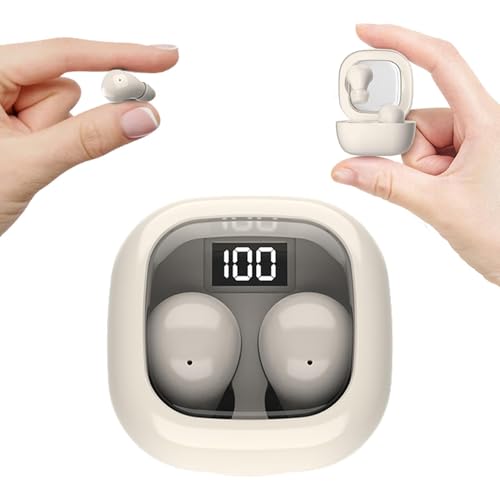
- Low-profile design for small ear canals
- Soft shape intended for side-sleeping comfort
- Up to 24 hours with the charging case
Best For: Side sleepers prioritizing discreet, compact earbuds
Best Headband Style

- Soft Bluetooth headband instead of in-ear buds
- Bluetooth 5.4 with 40mm stereo drivers
- Up to 14 hours of continuous playtime
Best For: Listeners who prefer a comfortable headband format
Lightest Mini Option

- Stated 0.08-ounce lightweight construction
- Peanut-sized, low-profile design
- Four-hour earbuds plus 20-hour case battery
Best For: Users wanting very lightweight, discreet mini earbuds
Best Noise Control

- Ultra-thin shape with liquid silicone tips
- Up to 43 dB wideband ANC
- Sleep detection locks touch controls
Best For: Side sleepers dealing with snoring or background noise
Best Multifunctional Pick
LC-dolida Butterfly Sleep Headband

- Three-in-one sleep, mask, and sports-headband design
- Thin speakers and stretchy fit for side sleepers
- Up to 15 hours of playback; washable after removing electronics
Best For: Small-ear sleepers who prefer a soft headband over in-ear buds
Best Noise-Canceling Pick

- Ultra-thin, contoured design targets side-sleeping comfort
- Listed 43dB ANC helps address ambient noise and snoring
- AI sleep lock and 100-plus app sound tracks add convenience
Best For: Side sleepers seeking compact earbuds with active noise cancellation
Best Value Headband
Perytong Ultra-Thin Sleep Headphones

- Ultra-thin speakers avoid direct earbud pressure
- More than 12 hours of listed runtime with Bluetooth 5.4
- Breathable, hypoallergenic, washable fabric design
Best For: Small-ear users wanting a versatile sleep and workout headband
Most Discreet
Compact Sleep Earbuds for Side Sleepers

- Small, discreet in-ear design
- Soft silicone tips for overnight comfort
- Sleep mode helps prevent accidental touches
Best For: Small-ear users seeking discreet, low-profile sleep earbuds
Lightest Fit
Ultra-Light Mini Sleep Earbuds

- 0.08 ounces per earbud
- Designed for pressure-free side sleeping
- 24-hour total playtime with battery display
Best For: Side sleepers and travelers prioritizing a lightweight fit
Best Noise Masking
Flat Sleep Earbuds for Snoring

- Flat profile for pillow-side comfort
- Adaptive snore-masking audio
- ANC and physical soundproofing system
Best For: Side sleepers who need help masking snoring and bedroom noise
Most Discreet Fit – Invisible Mini Sleep Earbuds
For shoppers seeking sleep headphones for small ears, these mini wireless earbuds emphasize a low-profile, discreet fit designed for side sleeping. Their Bluetooth 5.3 connection, built-in microphone, and compact charging case also make them practical for calls and everyday listening.
Best For: Side sleepers who want tiny, discreet earbuds with up to 24 hours of combined battery life.
Pros:
- Ultra-compact design is intended to sit discreetly in small ear canals.
- Soft, contoured shape is designed to reduce pressure during prolonged nighttime use.
- Bluetooth 5.3, touch controls, microphone, and sound isolation support everyday use.
- Earbuds provide about 4 hours of playback, with the case adding 20 hours.
Cons:
- The earbuds themselves provide about 4 hours of battery life per charge.
- The supplied information does not specify adjustable ear-tip sizes.
This is a strong choice when minimizing visible bulk is the priority. Consider the separate earbud and case charging times if you plan to listen continuously overnight.
Best Headband Style – MUSICOZY Sleep Headphones
Unlike in-ear sleep headphones for small ears, this MUSICOZY model uses a soft Bluetooth headband with integrated speakers. It can avoid the pressure of earbud housings while also serving as a sweat-resistant headband for workouts, travel, meditation, or relaxation.
Best For: People who prefer an on-ear headband over inserting earbuds into small ear canals.
Pros:
- Headband format avoids wearing separate earbuds.
- Stretchy, breathable, sweat-absorbent, and hypoallergenic materials are designed for comfort.
- Bluetooth 5.4 and 40mm drivers support wireless stereo listening.
- Up to 14 hours of playback after a 1- to 2-hour charge.
Cons:
- The on-ear headband may feel warmer or bulkier than tiny in-ear earbuds.
- Its fit is described as suitable for most users rather than specifically sized for small ears.
This option is worth considering if small earbuds tend to feel uncomfortable or fall out. Its multipurpose headband design makes it more versatile than a sleep-only earbud, though it may not provide the same nearly invisible profile.
Lightest Mini Option – Invisible Small Mini Earbuds
These tiny wireless earbuds target shoppers looking for sleep headphones for small ears without much visible hardware. At a stated 0.08 ounces, they are designed for discreet long-term wear and include Bluetooth 5.3, touch controls, a microphone, and a charging case with a battery display.
Best For: Office workers, travelers, and small-ear users who want an especially lightweight, low-profile pair.
Pros:
- Very small design is described as roughly peanut-sized and barely visible from the front.
- Stated weight of 0.08 ounces supports lightweight wear.
- Bluetooth 5.3 offers a stable wireless connection with up to a 30-foot range.
- Four hours of earbud playback plus 20 hours from the case, which charges in about one hour.
Cons:
- Four hours is the stated listening time per earbud charge.
- No warranty is listed in the supplied product details.
The standout feature is its extremely small and lightweight form. The case battery display is useful for monitoring remaining power, while the short individual charge time helps keep the earbuds ready for regular use.
Best Noise Control – Ultra Soft ANC Sleep Earbuds
For sleepers who need more than a small fit, these in-ear sleep headphones combine an ultra-thin body, liquid silicone tips, and active noise cancellation. The supplied specifications cite up to 43 dB of wideband ANC, while sleep detection can lock the touch controls after you fall asleep.
Best For: Side sleepers who want a low-profile fit plus active noise cancellation for snoring, traffic, or air-conditioning noise.
Pros:
- Ultra-thin, contoured housing and soft liquid silicone tips are designed for side-sleeping comfort.
- Combines passive isolation and ANC, with up to 43 dB of stated wideband noise reduction.
- AI sleep detection helps prevent accidental touch-control changes while turning over.
- Companion app includes more than 100 white-noise and nature-sound tracks.
Cons:
- The supplied details do not state the earbuds’ battery runtime.
- Some features, including sleep sounds and translation, depend on the companion app.
- Active noise cancellation may be unnecessary for shoppers who only need a basic small earbud.
This is the most feature-rich option in the group for reducing bedtime distractions. Its low-profile construction suits side sleeping, while ANC and app-based sound options make it better suited to noisy bedrooms than simple Bluetooth mini earbuds.
Best Multifunctional Pick – LC-dolida Butterfly Sleep Headband
For shoppers comparing sleep headphones for small ears, this LC-dolida headband avoids inserting earbuds altogether. Its thin built-in speakers sit inside a soft, stretchy band that also works as a sleep mask and sports headband.
Best For: Small-ear sleepers who want a wearable headband for sleep, exercise, travel, and light blocking.
Pros:
- Three-in-one design combines headphones, sleep mask, and sports headband.
- Thin 0.25-inch speakers are designed for a softer fit, including for side sleeping.
- Bluetooth 5.4, microphone, USB-C charging, and up to 15 hours of playback are listed.
- Detachable electronics allow the washable headband to be cleaned.
Cons:
- It provides no active noise cancellation.
- The band is not water resistant, so it is better suited to normal workouts than wet conditions.
This is a practical choice if small ears make conventional earbuds uncomfortable. The integrated mask and washable design add versatility, while the headband format may feel warmer or less minimal than tiny sleep earbuds.
Best Noise-Canceling Pick – Mini ANC Sleep Earbuds
These compact earbuds take a more traditional approach to sleep headphones for small ears, using an ultra-thin body and contoured ear shape rather than a fabric headband. They are designed for side sleeping and add active noise cancellation for people who need help masking surrounding sound.
Best For: Side sleepers with small ears who prioritize a low-profile fit and active noise cancellation.
Pros:
- Ultra-thin construction and a 3D bionic ear contour are designed to reduce pressure while side sleeping.
- Listed 43dB wideband ANC and anti-snoring features target ambient noise.
- AI sleep detection can lock touch controls after detecting sleep.
- The companion app includes more than 100 white-noise and nature-sound tracks.
Cons:
- Fit still depends on whether the included ear contours suit your individual ears.
- The listed features and app add complexity compared with a simple headband.
- Battery runtime is not specified in the supplied details.
This is the most feature-heavy option of the three, especially for sleepers dealing with snoring or other noise. Its miniature, pressure-conscious design is promising for small ears, but buyers should pay close attention to return coverage if earbud fit is difficult.
Best Value Headband – Perytong Ultra-Thin Sleep Headphones
If you want sleep headphones for small ears without wearing separate earbuds, the Perytong headband places ultra-thin stereo speakers inside a breathable fabric band. It is built for sleeping, side lying, workouts, travel, and meditation, making it a flexible everyday option.
Best For: Small-ear users who want an affordable, washable Bluetooth headband for sleep and exercise.
Pros:
- Headband format avoids direct earbud pressure and is described as suitable for side sleepers.
- Three-in-one design works as sleep headphones, a Bluetooth sleep mask, and a sports headband.
- Bluetooth 5.4 and more than 12 hours of listed runtime support overnight or daytime use.
- Breathable, stretchable, hypoallergenic material is machine washable after removing the control pod.
Cons:
- There is no active noise cancellation listed.
- Because it is a headband, it may feel less discreet than miniature in-ear earbuds.
- The supplied notes do not specify a USB-C charging connection.
Perytong is a sensible pick when comfort and easy cleaning matter more than advanced noise control. The ultra-thin speakers and fabric construction should be friendlier to small ears than standard earbuds, while the versatile design works beyond bedtime.
Most Discreet – Compact Sleep Earbuds for Side Sleepers
For shoppers comparing sleep headphones for small ears, these compact wireless earbuds emphasize a discreet fit and extended comfort. Their skin-soft silicone tips, sleep mode, and Bluetooth 5.3 connectivity make them practical for nighttime listening, including for side sleepers.
Best For: Small-ear users who want discreet earbuds with a sleep mode and long continuous use.
Pros:
- Small, discreet design intended to sit comfortably during sleep.
- Soft silicone eartips and caps are designed to reduce pressure for side sleepers.
- Sleep mode disables the earbud buttons to help prevent accidental touches.
- Bluetooth 5.3 supports wireless pairing with phones, tablets, computers, and other compatible devices.
Cons:
- The notes do not specify an exact battery capacity or playback time beyond 6–8 hours of continuous use.
- IPX6 waterproofing may be more protection than some users need for ordinary bedtime listening.
This is a strong fit when a low-profile, in-ear design matters most. The dedicated sleep mode is especially useful for restless sleepers, while the passive sound isolation and noise-reduction microphone add versatility beyond bedtime.
Lightest Fit – Ultra-Light Mini Sleep Earbuds
These mini earbuds are a practical option for anyone searching for sleep headphones for small ears and prioritizing a lightweight, pressure-free fit. Each earbud weighs 0.08 ounces, while the compact shape, soft materials, and portable charging case support overnight and travel use.
Best For: Side sleepers and travelers who want ultra-light earbuds with a battery display and compact case.
Pros:
- Ultra-light 0.08-ounce-per-earbud design helps minimize pressure.
- Low-profile shape and soft, breathable materials are designed for side sleeping.
- The case provides up to 24 hours of total playtime and includes a digital battery display.
- Bluetooth 5.3, auto pairing, and touch controls support convenient everyday use.
Cons:
- Each charge provides about four hours of playback, so overnight use may require the case or recharging.
- The supplied notes do not provide detailed water-resistance information.
Choose this pair if weight and portability are more important than maximum single-charge runtime. The digital case display makes battery management easier, and the 12-month warranty adds reassurance for regular use.
Best Noise Masking – Flat Sleep Earbuds for Snoring
For shoppers seeking sleep headphones for small ears with stronger noise control, these flat-profile earbuds focus on snoring and bedroom-noise reduction. The 3D contour, liquid silicone tips, adaptive snore masking, and hybrid noise-canceling system are designed to keep audio comfortable while sleeping on your side.
Best For: Side sleepers who want flat, pressure-free earbuds with snore masking and noise cancellation.
Pros:
- Ultra-thin, flat profile is designed to sit flush inside the ear against a pillow.
- Soft liquid silicone tips aim to provide pressure-free, all-night comfort.
- Adaptive snore-masking technology detects snoring and plays masking audio.
- Hybrid noise control combines ANC, an AI noise-reducing chip, and physical soundproofing.
Cons:
- The supplied notes do not specify battery life or charging duration.
- Some features, such as adaptive noise processing and the AI sensor, may be more complex than needed for basic audio playback.
- Compatibility details list cellphones, so users should confirm support for other source devices.
This is the most feature-focused choice of the group for users dealing with snoring, traffic, or appliance noise. Its flat construction targets side-sleeping comfort, while the control-locking sensor is intended to keep audio playing after you fall asleep.
How We Picked the Best Sleep Headphones for Small Ears
We focused on designs intended for overnight use rather than standard everyday earbuds. The selection includes miniature wireless earbuds, discreet in-ear models, and fabric headbands with ultra-thin speakers. Key considerations included how likely each style is to create pressure for side sleepers, how well it may suit smaller ear canals, and whether its controls and charging setup are practical.
Because comfort is highly personal, product descriptions and advertised features should be checked carefully for exact dimensions, included ear-tip sizes, battery claims, water resistance, and return policies.
Quick Comparison
| Style | Best For | Main Advantage | Potential Trade-Off |
|---|---|---|---|
| Mini wireless earbuds | Listeners who want a discreet fit | Compact and cable-free | May still cause pressure depending on ear shape |
| Low-profile sleep earbuds | Side sleepers needing minimal bulk | Designed to sit closer to the ear | Smaller controls can be harder to use |
| Bluetooth headbands | People who dislike in-ear earbuds | Soft fabric and broad fit range | May feel warm or shift during sleep |
Key Buying Factors for Sleep Headphones for Small Ears
Profile and Pressure
Look for earbuds described as mini, invisible, ultra-light, or low profile. The outer housing should sit mostly inside the ear’s natural recess instead of protruding against a pillow. If you are a side sleeper, even a small amount of extra bulk can become uncomfortable over several hours.
Ear-Tip Sizing and Stability
Small or extra-small silicone tips can improve both comfort and stability. A secure seal may also help reduce the need for high volume. However, an overly tight seal can cause soreness, so choose a model with multiple tip sizes and test it during a short nap before using it overnight.
Headband Comfort
For users who cannot tolerate in-ear pressure, a Bluetooth sleep headband may be the better choice. Check the fabric’s softness, stretch, speaker placement, and thickness. Speakers that can be repositioned are useful when your ears sit higher or lower than average.
Battery, Controls, and Safety
Compare stated playback time with your usual sleep schedule, and confirm whether charging uses USB-C or another connector. Simple controls are helpful, but avoid raising volume excessively to compensate for poor fit. A timer, automatic shutoff, or compatibility with sleep apps can also make overnight use more convenient.
Who Should Buy Which Sleep Headphones for Small Ears?
Choose mini wireless earbuds if you want the most discreet option and can comfortably wear in-ear products. They are typically best for listeners who value compactness and freedom from a fabric band.
Choose low-profile sleep earbuds if side-sleeping comfort is your highest priority. Focus on the smallest housing, flexible tips, and a return policy that lets you confirm the fit.
Choose a Bluetooth headband if earbuds tend to fall out, irritate your ear canals, or feel too pressurized. Headbands are also useful for people who prefer a broader, less intrusive fit, though they may feel warmer.
Ultimately, the best Sleep Headphones for Small Ears are the pair that stays secure without creating pressure. Start with the least bulky style that matches your comfort preferences, use a moderate volume, and verify the fit before committing to full-night wear.