If you print ABS, ASA, nylon, or CF-filled materials, a heated chamber can make a major difference in consistency and part quality. It helps keep internal temperatures stable, reducing warping and layer separation on demanding jobs.
Below, we focus on 10 of the best options for makers, prosumers, and small shops that want more reliable high-temperature printing in 2026.
Best 10 3d Printer with Heated Chamber Picks for 2026
Industrial High-Temp Pick
QIDI PLUS4 65°C Chamber, 370°C Nozzle

- 65°C active chamber heating for better warp control
- 370°C nozzle supports demanding engineering filaments
- Large 12 x 12 x 11 in build volume with remote monitoring
Best For: Large-format, high-temp printing with engineering materials
Premium Enclosed Workhorse
Prusa CORE One+ Active-Heated Chamber

- Fully enclosed active-heated chamber for stable prints
- CoreXY motion system emphasizes speed and accuracy
- Automatic ventilation and one-click setup simplify use
Best For: Reliable enclosed printing for advanced everyday materials
Smart Precision Choice
QIDI Q2 65°C Heated Chamber, 370°C Nozzle
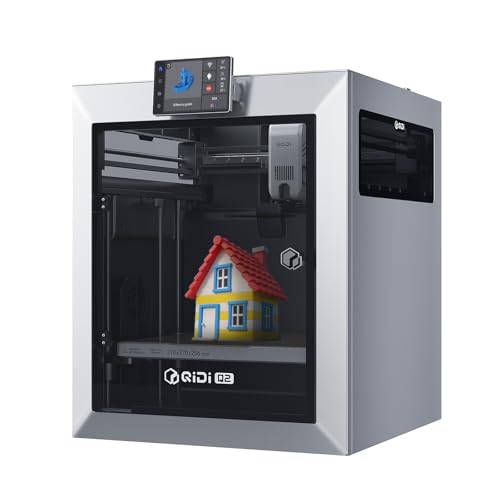
- 65°C PTC heated chamber for better adhesion and less warp
- 370°C nozzle supports advanced and composite filaments
- Up to 600mm/s with filtration, AI camera, and recovery features
Best For: Fast, safe enclosed printing for makers and engineers
Multi-Color Enclosed Pick
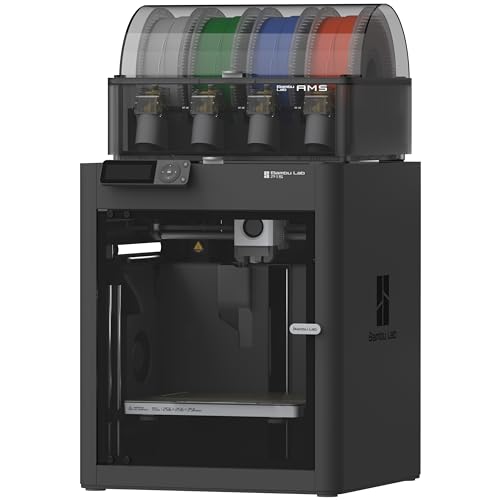
- Fully enclosed design helps with advanced filaments
- AMS support enables up to 16-color printing
- 500mm/s speed and auto bed leveling keep workflow easy
Best For: Fast enclosed printing with multi-color AMS support
Ultra-Large Chamber Pick
QIDI Max4 65°C Heated Chamber Large-Format Printer

- 390×390×340mm build volume for oversized prints
- 65°C active heated chamber for high-temp materials
- AI camera monitoring and full-surface heated bed
Best For: Large industrial parts, molds, and engineering prototypes
Engineering Workhorse
QIDI Plus5 65°C Chamber Heated CoreXY Printer

- 320×320×300mm build volume with 65°C chamber heating
- 370°C nozzle for PPS-CF, PPA-CF, PC, and nylon
- CoreXY speed plus auto leveling and AI monitoring
Best For: Functional prototypes and engineering-grade filament printing
Multi-Tool Industrial Choice
Flashforge Creator 5 Pro 65°C Heated Chamber

- 65°C active chamber for ABS, ASA, PC, and nylon
- Four independent extruders for true multi-color printing
- HEPA13 filtration and sealed enclosure for cleaner use
Best For: Shared workspaces and multi-material printing
Editor’s Choice
QIDI Q2 Combo Multi-Color 3D Printer
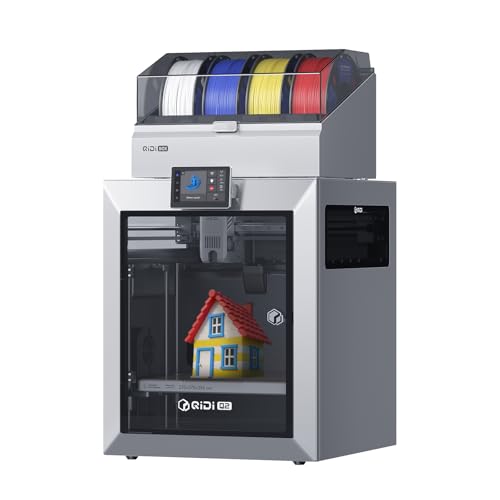
- 65℃ heated chamber for reduced warping
- Up to 16-color multi-material printing
- 370℃ nozzle for advanced materials
Best For: Makers who want a fast, enclosed printer for colorful, high-temp projects
Large Format Pick
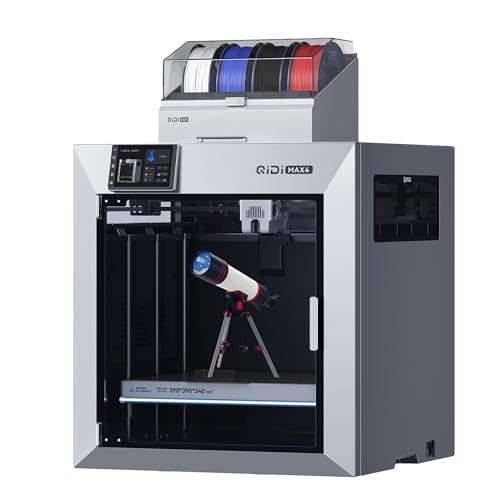
- 390×390×340mm build volume
- 65℃ active heated chamber
- Supports abrasive engineering materials
Best For: Large parts, industrial prototypes, and high-temp material work
Value Multi-Color Pick
- 65℃ heated chamber for better adhesion
- 370℃ nozzle for engineering materials
- 15-minute setup with up to 16-color printing
Best For: Users who want a quick-start enclosed printer with multi-color support
Industrial High-Temp Pick – QIDI PLUS4 65°C Chamber, 370°C Nozzle
If you want a 3d printer with heated chamber support for high-temperature materials, the QIDI PLUS4 is built around that use case. Its 65°C active chamber heating, 370°C nozzle, and enclosed CoreXY design are aimed at reducing warping and improving consistency on engineering filaments while still keeping setup and day-to-day use straightforward.
Best For: Makers and professionals printing large parts with ABS, ASA, PC, PA, or composite filaments who want strong chamber heat and fast workflow features.
Pros:
- 65°C second-generation active chamber heating helps balance temperature and reduce warping and cracking.
- 370°C high-temperature hotend expands support for PPS-CF, PPA-CF/GF, ABS, ASA, PC, PA, PET, and more.
- Large 12 x 12 x 11 in build volume is useful for bigger prints or multiple models at once.
- Remote monitoring, HD camera, filament detection, and quick 10-minute unbox-to-print setup add convenience.
Cons:
- The larger size and 59.4 lb weight make it less compact than smaller desktop printers.
- Multi-color printing depends on the upcoming QIDI BOX rather than being fully built in today.
Overall, the PLUS4 is a strong fit if chamber heat and material range matter more than size or portability. It combines practical automation with high-temp hardware for demanding prints.
Premium Enclosed Workhorse – Prusa CORE One+ Active-Heated Chamber
The Original Prusa CORE One+ is a strong choice if you want a 3d printer with heated chamber behavior in a fully enclosed, professional-grade package. Its active-heated chamber is designed to improve stability on more demanding materials, while the CoreXY motion system and automatic ventilation support fast, reliable printing in a wide range of day-to-day and production tasks.
Best For: Users who want a reliable enclosed printer for consistent results across PLA, PETG, ASA, PC, and Nylon.
Pros:
- Fully enclosed active-heated chamber helps reduce warping and improve layer adhesion.
- CoreXY system is tuned for fast, precise, and reliable printing.
- Automatic ventilation adjusts airflow for low- and high-temperature materials.
- Fully assembled setup, automatic calibration, and one-click printing make it easy to start.
Cons:
- Build volume is solid, but smaller than some larger-format machines.
- It is more of a premium workstation-style printer than a budget option.
For buyers who value stability, support, and long-term reliability, the CORE One+ stands out as a polished heated-chamber printer. It is especially appealing if you want professional results without a complicated setup.
Smart Precision Choice – QIDI Q2 65°C Heated Chamber, 370°C Nozzle
The QIDI Q2 is a practical pick if you want a 3d printer with heated chamber features without giving up ease of use. Its 65°C second-generation PTC chamber, 370°C nozzle, and full-metal CoreXY build are meant to improve first-layer reliability, reduce warping, and keep high-speed prints on track for beginners and experienced users alike.
Best For: Makers, educators, and engineers who want a fast enclosed printer with strong material support and built-in safety features.
Pros:
- 65°C heated chamber helps minimize warping and improve layer adhesion.
- 370°C nozzle supports advanced materials including carbon/glass-fiber composites.
- Up to 600mm/s speed, linear rails, and vibration reduction focus on smooth results.
- Safety and convenience extras include filtration, AI camera monitoring, and power-loss recovery.
Cons:
- Multi-color printing requires the optional QIDI BOX accessory.
- Some composite material support is tied to the right setup and accessories.
In this lineup, the Q2 is the balanced option for users who want chamber heat, speed, and smart safety features in one machine. It looks especially well-suited to reliable prototyping and classroom or workshop use.
Multi-Color Enclosed Pick – Bambu Lab P1S Combo with AMS
The Bambu Lab P1S Combo is a compelling option if you want an enclosed 3d printer with heated chamber-style benefits for advanced filaments, plus easy multi-color printing. While it does not advertise active chamber heating like some other models here, its fully enclosed body, high-speed motion system, and AMS support make it a practical choice for users focused on speed, convenience, and color output.
Best For: Users who want fast enclosed printing and up to 16-color capability with the AMS.
Pros:
- Fully enclosed design improves print performance for advanced filaments.
- Up to 16 colors with AMS support enables multi-color and multi-material projects.
- 500mm/s speed and 20000 mm/s² acceleration keep prints moving quickly.
- Automatic bed leveling and 15-minute setup make it easy to get started.
Cons:
- It is not described as having an active heated chamber.
- Carbon/glass-fiber reinforced polymers are not recommended.
The P1S Combo makes the most sense if your priority is speed and color handling inside an enclosed printer. It is a strong all-around machine, but buyers specifically needing active chamber heating should compare it carefully with the other options.
Ultra-Large Chamber Pick – QIDI Max4 65°C Heated Chamber Large-Format Printer
If you want a 3d printer with heated chamber for oversized, high-temperature parts, the QIDI Max4 is built around scale and stability. Its 390×390×340mm build area, 65°C active chamber, and full-surface silicone heated bed make it a strong fit for large ABS-CF, PC, and PPS-CF prints that need even heat and reliable layer adhesion.
Best For: Makers and professionals printing large industrial parts, molds, or engineering prototypes in one piece.
Pros:
- Huge 390×390×340mm build volume for large parts and batch printing.
- 65°C active heated chamber plus Polar Cooler support for demanding materials.
- Full-surface silicone heated bed helps with even temperature and first-layer adhesion.
- AI camera monitoring can pause failed prints to reduce waste.
Cons:
- Polar Cooler is not included and must be purchased separately.
- Large, heavy machine may be more printer than casual users need.
The Max4 stands out when enclosure heat and build volume matter more than compact size. It looks especially compelling for users who regularly print industrial or large-format functional parts and want fewer split assemblies.
Engineering Workhorse – QIDI Plus5 65°C Chamber Heated CoreXY Printer
The QIDI Plus5 is a practical 3d printer with heated chamber for users focused on functional parts and reliable high-temperature printing. With a 320×320×300mm build volume, 370°C nozzle capability, and actively heated 65°C chamber, it is aimed at materials like PPS-CF, PPA-CF, PC, and nylon that benefit from controlled chamber heat and strong layer bonding.
Best For: Engineers, prosumers, and makers who want a balanced mix of chamber heat, speed, and material compatibility.
Pros:
- 65°C actively heated chamber helps reduce warping on engineering filaments.
- 370°C max nozzle temperature supports high-performance materials.
- CoreXY motion system with linear rails and 9mm belts supports up to 600mm/s printing.
- Automatic bed leveling, AI camera monitoring, and remote control add convenience.
Cons:
- Polar Cooler is optional, so some users may need extra accessories for enclosed high-heat printing.
- Smaller build volume than the Max4 if you need very large parts.
For buyers who want a serious heated-chamber machine without stepping into an oversized format, the Plus5 offers a strong middle ground. Its focus on engineering materials, automation, and fast setup makes it easy to justify for regular functional printing.
Multi-Tool Industrial Choice – Flashforge Creator 5 Pro 65°C Heated Chamber
The FLASHFORGE Creator 5 Pro is a 3d printer with heated chamber designed for users who need controlled heat and true multi-material capability. Its 65°C active heated chamber, sealed enclosure, and HEPA13 filtration support ABS, ASA, PC, and nylon printing, while the four independent extruders make color and material changes cleaner than a single-nozzle system.
Best For: Offices, labs, and advanced makers who want multi-color or multi-material printing with chamber heat.
Pros:
- 65°C active heated chamber helps with adhesion and reduced warping.
- Four independent extruders enable true multi-color and multi-material printing.
- HEPA13 filtration and sealed enclosure suit shared workspaces.
- 600mm/s speed and 30,000mm/s² acceleration support high-throughput jobs.
Cons:
- 256mm³ build volume is smaller than the QIDI large-format options.
- Multi-extruder setup may be more complex than a simpler single-tool printer.
This model is best when print quality, enclosure control, and color separation matter more than raw build size. It is especially attractive for environments where filtration and controlled chamber conditions are part of the purchase decision.
Editor’s Choice – QIDI Q2 Combo Multi-Color 3D Printer
If you want a 3d printer with heated chamber support that balances speed, material flexibility, and cleaner indoor use, the QIDI Q2 Combo is built for demanding projects. Its 65℃ heated chamber, 370℃ nozzle, and multi-color QIDI BOX make it a strong fit for users who want more than a basic desktop machine.
Best For: Makers who want a fast, enclosed printer that supports multi-color printing and engineering materials.
Pros:
- 65℃ PTC heated chamber helps reduce warping and improve layer adhesion.
- Up to 16-color and multi-material printing with dry-while-print filament handling.
- 370℃ nozzle supports PLA, ABS, PETG, TPU, PA, PC, and carbon/glass-fiber composites.
- Triple filtration system and flame-retardant chamber support safer indoor use.
Cons:
- Multi-color capability depends on the included QIDI BOX system.
- More advanced features may be more than casual users need.
Overall, the QIDI Q2 Combo is a well-rounded choice if you want a heated-chamber printer that can handle both everyday models and tougher materials. It stands out for combining speed, precision features, and multi-color flexibility in one package.
Large Format Pick – QIDI Max4 Combo 3D Printer
The QIDI Max4 Combo is a 3d printer with heated chamber support aimed at users who need a much larger build area without giving up high-temp material capability. With a 390×390×340mm volume, 65℃ active heated chamber, and optional multi-color expansion, it is geared toward bigger parts and more technical prints.
Best For: Users who need large-format printing for industrial parts, molds, and prototypes.
Pros:
- Huge 390×390×340mm build volume for large one-piece prints.
- 65℃ active heated chamber supports materials like ABS-CF, PC, and PPS-CF.
- High-flow hotend and hardened steel nozzle handle abrasive materials.
- AI camera monitoring can detect failures and pause printing automatically.
Cons:
- Polar Cooler is not included and must be purchased separately.
- Large footprint and 120-pound weight make it less compact than smaller printers.
In practice, the Max4 Combo is best for people who care more about print capacity and material performance than a small desktop footprint. Its heated chamber and large build make it a strong fit for serious, oversized projects.
Value Multi-Color Pick – QIDI Q2 Combo 3D Printer
If you are shopping for a 3d printer with heated chamber features and want multi-color capability in a more compact package, this QIDI Q2 Combo is worth a close look. It pairs a 65℃ heated chamber and 370℃ nozzle with the QIDI BOX, giving you strong material support plus up to 16-color printing.
Best For: Makers who want an enclosed, high-temp printer with multi-color printing and quick setup.
Pros:
- 65℃ heated chamber helps minimize warping and improve adhesion.
- 370℃ nozzle supports engineering plastics and composites.
- Up to 16-color printing with dry-while-print filament handling.
- 15-minute setup makes it easier to get started quickly.
Cons:
- Multi-color operation relies on the QIDI BOX system.
- Best suited to users who will use its more advanced features.
This version of the Q2 Combo is a practical pick if you want the heated-chamber benefits of QIDI’s platform with a setup that is straightforward to get running. It keeps the focus on stable printing, material flexibility, and convenience.
How We Picked the Best 3d Printer with Heated Chamber
We prioritized chamber temperature capability, nozzle temperature range, build volume, motion system, enclosure quality, and practical features like filtration, multi-material support, and ease of use. We also favored models that make sense for real-world materials such as ABS, ASA, nylon, PC blends, and fiber-reinforced filaments.
Quick Comparison
In this group, QIDI models lean toward high chamber heat, high nozzle temps, and value-focused performance. Prusa and Bambu options emphasize refinement, workflow, and ecosystem support. Flashforge stands out for an industrial feature set, including active heating and independent extruders. If you need larger parts, the Max4 and similar big-format machines deserve extra attention.
Key Buying Factors for a 3d Printer with Heated Chamber
Chamber Temperature
A higher, actively controlled chamber helps materials stay stable during long prints. For engineering filaments, look for consistent heat rather than just an enclosed frame.
Nozzle Temperature
High-temp filaments often need more than a standard hotend. A wider nozzle range gives you more flexibility with tough plastics and composite materials.
Build Volume
Match the printer to the parts you actually make. Larger chambers are useful for functional prototypes and enclosures, but they also take more space and can cost more to run.
Enclosure, Filtration, and Safety
A sealed design, HEPA filtration, and good thermal management matter if you print often or in shared spaces. These features can improve comfort, cleanliness, and day-to-day usability.
Workflow Features
Auto-calibration, multi-color or multi-material support, and reliable filament handling can save time. If you print production parts, consistency matters more than headline speed.
Who Should Buy Which 3d Printer with Heated Chamber?
If you want the strongest all-around value, look at feature-rich QIDI models. If you care most about polished software and a streamlined user experience, Bambu and Prusa are safer bets. If you need multi-extrusion or an industrial workflow, Flashforge is the more specialized choice. And if your priority is larger functional parts, focus on the biggest build volumes first.
For most buyers, the best 3d Printer with Heated Chamber is the one that matches your materials, part size, and daily workflow—not just the highest chamber temperature on paper.