Live sound compression helps control peaks, improve vocal consistency, and keep a mix manageable before it reaches the audience. The right unit can also add useful tone while protecting downstream equipment from sudden level changes.
This roundup compares 10 audio compressors for live sound, including rackmount processors, single-channel vocal tools, FET designs, optical circuits, and stereo bus compressors. Use the guide below to match features and format to your console, performers, and setup.
Best 10 Audio Compressors for Live Sound Picks for 2026
Tour-Ready Control

- Compressor, gate, and sidechain insert
- Separate LED threshold and gain-reduction displays
- 1U analog rackmount design
Best For: Touring, portable live rigs, and studio dynamics control
Two-Channel Value
Behringer Composer Pro-XL MDX2600

- Two-channel compressor, limiter, and gate
- Suitable for production, mixing, and mastering
- Includes a listed 2-year warranty
Best For: Multi-signal setups needing broad dynamics functions
Flexible Modern Rackmount

- Dual-channel compression with noise gate
- XLR/TRS I/O and sidechain insert
- LED monitoring plus auto attack/release
Best For: Live vocals, streaming, and adaptable rack systems
Single-Channel Tube Character

- Selectable tube/solid-state MultiVoice control
- Analog optical isolator design
- Variable compressed/uncompressed blend
Best For: One-channel processing with selectable analog character
Best Compact Mic-Level Compressor
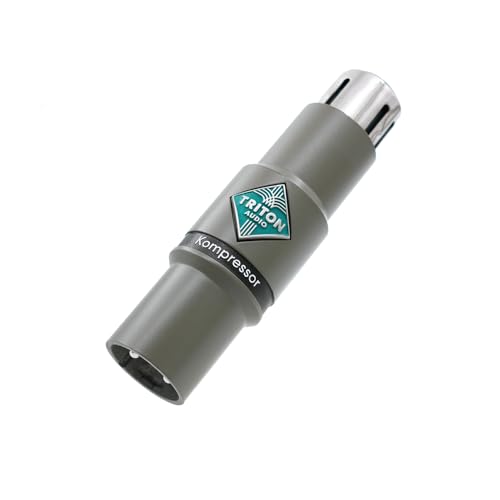
- Inline FET-OPTO compression and 25 dB gain
- One-knob operation for quick adjustments
- Phantom-powered with ribbon mic protection
Best For: Dynamic and ribbon microphones needing gain and peak control
Best Flexible Dual-Channel Rack Unit
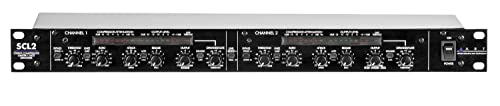
- Dual-channel or linked-stereo operation
- Balanced TRS and XLR inputs
- Selectable attack/release with LED meters
Best For: Rack systems needing flexible stereo or dual-channel processing
Best Stereo Bus Compressor

- Two-channel stereo VCA bus compression
- Five ratios and sidechain input filter
- CineMag transformers in a metal chassis
Best For: Stereo bus mixing and recording applications
Best Versatile Rackmount Pick

- Two channels for flexible live mixing
- XLR/TRS I/O with sidechain insert
- Noise gate and LED gain-reduction metering
Best For: Live setups needing versatile two-channel control
Best Classic FET-Style Choice

- Single-channel discrete compressor
- Custom CineMag USA transformers
- Includes all-buttons-in mode
Best For: Professional users wanting classic FET-style compression
Best Straightforward Discrete Option

- Single-channel discrete FET design
- Combines compression and limiting
- Focused clean-gain processing
Best For: Users wanting dedicated FET dynamics control
Tour-Ready Control – dbx 266xs Compressor/Gate
The dbx 266xs is a practical rackmount choice when you need audio compressors for live sound that can smooth level changes, shape dynamics, and manage noise from one unit. Its compressor and gate controls, sidechain insert, and separate LED displays support quick setup for portable rigs, touring systems, and studios.
Best For: Live performers, touring engineers, and users who want compression and gating in a single 1U processor.
Pros:
- Can smooth uneven levels, add guitar sustain, fatten drums, or tighten mixes.
- Program-adaptive expander/gates use smooth release characteristics.
- Separate LED displays show gain reduction, compression threshold, and gate threshold.
Cons:
- It is a single rack-space analog processor rather than a multi-channel unit.
- The corded-electric design and 6.6-pound weight add rack-system considerations.
The 266xs stands out for straightforward dynamics control and visible metering. It is a solid fit when reliable compression and gating matter more than compact pedal-style portability.
Two-Channel Value – Behringer Composer Pro-XL MDX2600
The Behringer Composer Pro-XL MDX2600 is a two-channel compressor, limiter, and gate for users building a flexible rack setup around audio compressors for live sound. Its two-channel format can help cover more than one signal path while also supporting audio production, mixing, and mastering applications.
Best For: Buyers seeking a two-channel dynamics processor for live setups, mixing, or general audio production.
Pros:
- Combines compression, limiting, and gating in one rack-style processor.
- Two-channel design offers coverage for multiple signal paths.
- Includes a 2-year warranty according to the supplied product details.
Cons:
- The supplied notes provide limited control and connectivity details for live-system planning.
- Its listed dimensions and corded power require space in a rack or equipment setup.
The MDX2600 is most appealing when channel count is a priority. Consider it for broad dynamics duties, while confirming the exact routing and connection requirements for your particular live rig.
Flexible Modern Rackmount – Dual-Channel Audio Compressor
This dual-channel processor targets users comparing audio compressors for live sound with studio and streaming flexibility in mind. It combines Overeasy compression, auto attack and release, a noise gate, sidechain insert, and XLR/TRS connectivity in a 1U rackmount format.
Best For: Live vocals, streaming, and compact rack systems that need dual-channel compression with sidechain routing.
Pros:
- Dual channels provide control for vocals, guitars, drums, and other sources.
- XLR and 1/4-inch TRS inputs and outputs support flexible integration.
- LED indicators, noise gate, sidechain insert, and auto attack/release simplify monitoring and setup.
Cons:
- The supplied details do not identify a specific brand or model name.
- Its 19.05-inch length and corded power are better suited to rack-based systems than small portable rigs.
With its dual-channel layout and broad connection options, this unit is designed for adaptable signal control. It is especially useful when one processor needs to serve live, streaming, and studio-oriented roles.
Single-Channel Tube Character – ART Solo VLA Compressor
The ART Solo VLA is a single-channel option for adding controlled dynamics and selectable sonic character to a live or studio signal path. Its tube/solid-state MultiVoice design, optical isolators, and variable blend make it a distinctive consideration among audio compressors for live sound.
Best For: Engineers who need one channel of compressor control with tube/solid-state voicing and blend adjustment.
Pros:
- Selectable MultiVoice tube/solid-state operation offers two processing flavors.
- Optical isolators provide an analog optical compression design.
- Variable blend allows mixing uncompressed and compressed signals.
Cons:
- Single-channel operation limits its usefulness for multi-source live systems.
- Its tube-based construction and 7.03-pound weight may be less convenient for lightweight rigs.
- The supplied notes do not list a sidechain insert or built-in gate.
The Solo VLA is a focused choice for one important channel where blend control and selectable tube/solid-state character are valuable. It makes more sense as a color-oriented addition than as an all-in-one live dynamics rack.
Best Compact Mic-Level Compressor – Triton Audio Kompressor
The Triton Audio Kompressor is a practical choice when you need audio compressors for live sound at the microphone source. Its compact XLR-barrel design combines a FET-OPTO compressor with up to 25 dB of preamp gain, making it especially useful for dynamic and ribbon microphones.
Best For: Dynamic and ribbon microphones, including low-output microphones that need added gain and controlled peaks.
Pros:
- Combines compression and 25 dB of microphone preamp gain in one compact unit.
- Simple one-knob control makes adjustment quick and accessible.
- Requires 48V phantom power while blocking it from reaching the microphone.
- Provides source-level signal control for a smoother, more consistent output.
Cons:
- Its single-knob design offers less detailed control than a full rack compressor.
- Requires a system with 48V phantom power.
- Designed for inline microphone use rather than broad stereo bus processing.
Choose this model when portability, straightforward operation, and microphone gain are more important than extensive compression parameters. It is a focused solution for controlling dynamics directly at the mic.
Best Flexible Dual-Channel Rack Unit – ART SCL2 Compressor/Limiter
The ART SCL2 is a versatile rack-style option for audio compressors for live sound, offering dual-channel or linked-stereo operation. Balanced 1/4-inch TRS and XLR connections, selectable attack and release modes, and LED level meters make it suited to more involved signal-chain setups.
Best For: Live and studio systems that need dual-channel processing, linked stereo control, or additional gate and limiter functionality.
Pros:
- Supports dual-channel or linked-stereo operation.
- Accepts balanced 1/4-inch TRS and XLR connections.
- Offers selectable automatic or manual attack and release.
- Includes precise LED level meters for monitoring signal levels.
Cons:
- The 19-inch rack format is less portable than compact inline compressors.
- Requires corded electric power.
- Its broader feature set may be more than needed for simple one-channel setups.
The SCL2 is the stronger fit when your system benefits from rack integration and flexible routing. Its dual-channel design and metering provide more control than a basic single-purpose compressor.
Best Stereo Bus Compressor – Warm Audio Bus-Comp
The Warm Audio Bus-Comp is a two-channel stereo VCA unit for listeners and engineers comparing audio compressors for live sound and broader mixing applications. It includes five ratios, a sidechain input filter, and CineMag transformers for a feature set centered on stereo bus processing.
Best For: Stereo bus compression in audio mixing and recording setups where VCA operation and transformer-equipped signal paths are priorities.
Pros:
- Provides two-channel stereo VCA bus compression.
- Offers five compression ratios for shaping the amount of control.
- Includes a sidechain input filter.
- Features CineMag transformers.
Cons:
- Its 9.7-pound, full-size chassis is less convenient for portable live rigs.
- It is positioned for stereo bus work rather than compact microphone-level use.
- Requires corded electric power.
This model makes the most sense when you want dedicated stereo bus processing and do not mind a larger rack-style format. Its VCA design, ratio choices, sidechain filter, and transformers give it a more specialized role than a simple inline compressor.
Best Versatile Rackmount Pick – Dual-Channel Vocal Compressor
For audio compressors for live sound, this dual-channel rackmount model offers flexible level control for vocals, guitars, drums, and other sources. Its XLR/TRS connectivity, adjustable attack and release, LED metering, noise gate, and sidechain insert make it practical for PA, stage, streaming, and studio setups.
Best For: Live performers and small production systems needing two channels of dynamics control with noise reduction and sidechain flexibility.
Pros:
- Dual-channel compression supports multiple sound sources.
- XLR and 1/4-inch TRS connections integrate with mixers and PA systems.
- Built-in noise gate, LED metering, and sidechain insert add setup flexibility.
- Adjustable attack and release allow detailed dynamic shaping.
Cons:
- The rackmount format may be more equipment than a simple one-channel setup requires.
- The supplied notes do not specify independent channel controls or detailed operating ranges.
This is the most feature-focused option of the three for live sound systems that need practical routing and two-channel control. Its added gate and sidechain functions are useful when managing stage noise and low-frequency dynamics.
Best Classic FET-Style Choice – Warm Audio WA76 Compressor
Among audio compressors for live sound, the Warm Audio WA76 is a single-channel option built around a fully discrete signal path and custom CineMag USA transformers. Its classic 1176-inspired design and all-buttons-in mode make it suited to professional audio applications where a familiar FET compressor approach is preferred.
Best For: Engineers and performers who want one channel of classic-style discrete compression for professional audio use.
Pros:
- Fully discrete signal path follows a classic design approach.
- Custom CineMag USA transformers are included.
- Supports the distinctive all-buttons-in ratio setting.
- Metal construction is suited to professional equipment racks and workspaces.
Cons:
- Single-channel operation limits simultaneous source processing.
- The supplied notes do not list XLR/TRS connectivity or detailed attack and release controls.
- Its classic feature set may be less flexible than a multi-function live rack compressor.
The WA76 is a focused choice rather than an all-purpose dynamics processor. Choose it when the appeal of a discrete, classic-style FET compressor outweighs the convenience of dual channels and an integrated noise gate.
Best Straightforward Discrete Option – WA76-D FET Compressor
For buyers comparing audio compressors for live sound, the Warm Audio WA76-D is a straightforward single-channel discrete FET compressor/limiter. Its compact product description centers on clean gain and discrete FET compression, making it a focused choice for users who want dedicated dynamics processing rather than a feature-heavy rack unit.
Best For: Audio users seeking a single-channel discrete FET compressor/limiter for professional signal control.
Pros:
- Uses a discrete FET compressor design.
- Combines compression and limiting in one unit.
- Its single-channel layout can suit focused source processing.
Cons:
- Only one channel is identified in the supplied notes.
- The notes provide limited information about connections, controls, and live-routing features.
- Its listed dimensions and 10-pound weight should be considered when planning equipment placement.
The WA76-D is best evaluated as a dedicated, focused processor. It may appeal to users prioritizing discrete FET gain control, but buyers needing clearly documented I/O and live-oriented extras may prefer the more fully specified dual-channel model.
How We Picked These Audio Compressors for Live Sound
We focused on processors that suit practical live-production roles, including vocal control, channel compression, stereo bus processing, instrument tracking, and portable rigs. The selection includes single- and dual-channel units, rackmount designs, compact inline hardware, and models with gates, limiters, de-essers, or sidechain connections.
We also considered control flexibility, connectivity, common compressor circuit types, ease of integration, and whether each unit can serve more than one role. Because live systems vary widely, the best choice is not necessarily the most feature-heavy model; it is the one that gives you the control and headroom your signal chain requires.
Quick Comparison
| Best For | What to Look For |
|---|---|
| Single vocal or instrument channel | Clear metering, accessible threshold and ratio controls, and suitable input/output connections |
| Multiple channels | Dual-channel operation, stereo linking, and independent channel controls |
| Vocal cleanup | De-essing, gating, sidechain filtering, or a transparent compression mode |
| Colored vocal or guitar tones | FET or discrete circuitry with fast attack and release behavior |
| Main or subgroup processing | Stereo operation, bus-friendly ratios, and reliable gain-reduction metering |
Key Buying Factors for Audio Compressors for Live Sound
Channel Count and Signal Routing
A single-channel compressor is a practical choice for a lead vocal, bass, kick, or featured instrument. Dual-channel models can process two independent sources or a stereo pair, while link controls help preserve the stereo image. Check whether the unit provides balanced XLR, TRS, or both, and confirm that its I/O fits your console and rack layout.
Compressor Type and Response
VCA compressors are often versatile and predictable for buses, vocals, and general channel control. FET designs can deliver fast transient handling and a more assertive character. Optical and variable-mu-style circuits are typically valued for smoother, less aggressive leveling. For live work, adjustable attack and release times are important when you need to preserve punch or avoid audible pumping.
Extra Processing Features
Gates and expanders can reduce stage bleed, while limiters provide an additional safety margin. A sidechain insert or filter can help prevent low-frequency energy from triggering excessive gain reduction. De-essers are useful on vocal channels, but they should not replace correct microphone placement and equalization.
Metering, Headroom, and Workflow
Clear input, output, and gain-reduction meters make setup faster in dim control areas. Look for enough headroom for your console’s nominal operating level and controls that can be adjusted confidently during soundcheck. Bypass, stereo-link, and output-gain controls are especially useful when comparing processed and unprocessed signals.
Who Should Buy Which Audio Compressors for Live Sound?
- Choose a dual-channel rack processor if you need flexible control for two sources, a stereo pair, or a compact touring rack.
- Choose a single-channel FET or discrete compressor if you want fast, characterful control for vocals, bass, guitar, or other featured channels.
- Choose an optical-style compressor if smooth leveling and a less aggressive response matter more than precise transient shaping.
- Choose a model with a gate, expander, or de-esser if stage bleed, vocal sibilance, or inconsistent microphone technique is a recurring problem.
- Choose a stereo bus compressor for mix buses or subgroups, where linked operation and restrained gain reduction can improve cohesion without narrowing the image.
Before buying, verify rack depth, power requirements, connector format, and whether the compressor’s controls match the way your console is operated. Start with moderate ratios and small amounts of gain reduction, then increase processing only when it clearly improves clarity, consistency, or headroom.