The right field recorder can make the difference between usable production audio and a costly reshoot. Models with dual XLR inputs give filmmakers, musicians, podcasters, and interview teams the flexibility to capture two professional microphones while staying portable.
Our 2026 roundup compares compact 32-bit float recorders, handheld models, and expandable multitrack systems so you can choose the best fit for your workflow, budget, and input needs.
Best 10 Field Recorder with Dual Xlr Picks for 2026
Best for Timecode Workflows

- 32-bit float recording with dual ADCs
- Built-in timecode generation and sync
- Dual XLR/TRS inputs plus 3.5 mm input
Best For: Videographers using timecode-based production setups
Best Expandable Handheld
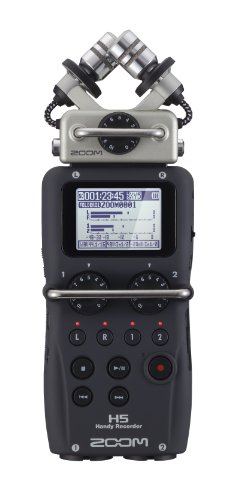
- Interchangeable input capsule system
- Two XLR/TRS inputs with phantom power
- Four-track recording and USB interface mode
Best For: Filmmakers and musicians needing flexible recording options
Best for Four-Input Camera Rigs
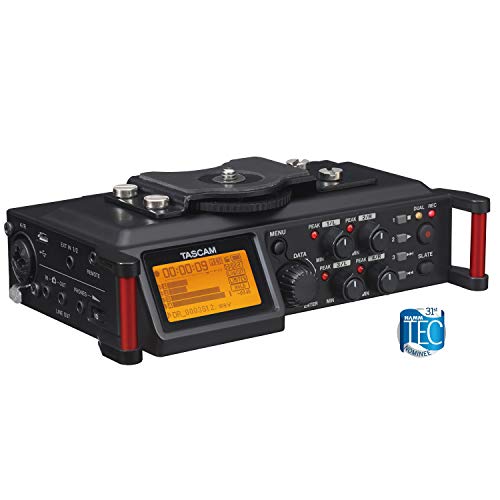
- Four balanced XLR inputs with phantom power
- Dual recording mode provides a lower-level safety copy
- Built-in microphones and camera-mountable design
Best For: Filmmakers and documentarians using multiple microphones
Best Compact 32-Bit Float Recorder

- 32-bit float recording with dual A/D converters
- Two locking XLR/TRS inputs
- Low-noise preamps and flexible power options
Best For: Run-and-gun filmmakers and location recordists
Best All-Around Value
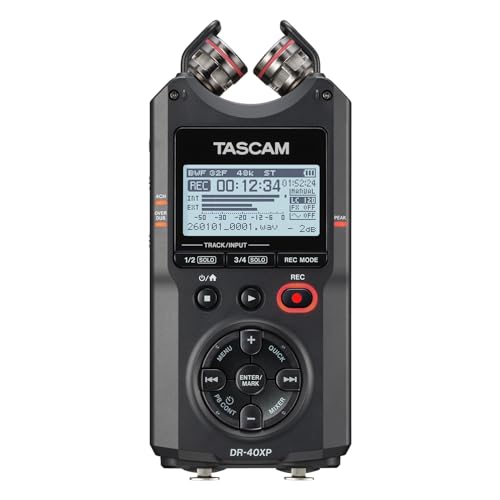
- Dual XLR/TRS inputs with four-channel recording
- 32-bit float capture and adjustable stereo microphones
- USB-C interface for computer or compatible mobile setups
Best For: Musicians, creators, and flexible location recording
Best for Professional Productions

- Six XLR inputs and up to 14 tracks
- 32-bit float recording with dual A/D converters
- Timecode I/O for frame-accurate video sync
Best For: Film, broadcast, and multi-microphone location recording
Best Accessible Handheld

- Dual combo inputs with +48V phantom power
- 32-bit float recording and high-SPL X/Y microphones
- Spoken menus and included recording accessories
Best For: Accessible music, film, podcast, and field recording
Best Compact Pick

- Two locking XLR/TRS combo inputs
- 32-bit float recording at up to 96kHz
- Compact design with waveform display
Best For: Portable interviews, podcasts, and two-source recording
Best Professional Production Pick
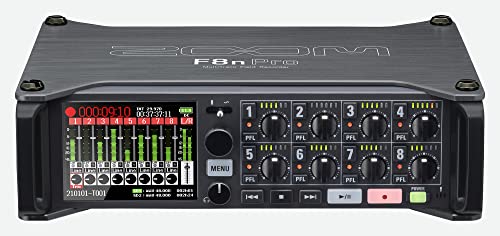
- Eight inputs and 10-track recording
- Dual SD slots for redundant recording
- Accurate 0.2ppm timecode and 32-bit float
Best For: Film crews and multitrack location sound
Best Multitrack Music Pick

- Two XLR/TS combo inputs for instruments or mics
- Four-track recording with bounce workflow
- Built-in rhythms, effects, and stereo microphones
Best For: Portable songwriting, demos, and layered music sessions
Best for Timecode Workflows – TASCAM FR-AV2
If you need a field recorder with dual XLR for video production, the TASCAM FR-AV2 combines two XLR/TRS combo inputs with 32-bit float recording and built-in timecode. Its compact design is suited to videographers who want streamlined synchronization and no-clip capture.
Best For: Videographers building timecode-based production setups.
Pros:
- 32-bit float recording with dual ADCs helps support worry-free capture.
- Built-in timecode generation and timecode input/output reduce the need for external synchronization hardware.
- Dual XLR/TRS combo inputs, Ultra HDDA preamps, and 3.5 mm input offer flexible connectivity.
- Supports recording at 48, 96, and 192 kHz.
Cons:
- Bluetooth monitoring requires the separately available AK-BT2 adapter.
- Uses three AA batteries.
The FR-AV2 stands out when accurate timecode and fast, forgiving recording matter more than having four XLR inputs. It is a particularly focused choice for camera crews and mobile video work.
Best Expandable Handheld – Zoom H5
The Zoom H5 is a versatile field recorder with dual XLR inputs, interchangeable microphone capsules, and four-track simultaneous recording. It suits filmmakers and musicians who want a compact recorder that can adapt to different capture needs.
Best For: Filmmakers and musicians who value expandable microphone options.
Pros:
- Two XLR/TRS combo inputs include selectable phantom power and a -20 dB pad.
- Interchangeable capsule system expands recording configurations.
- Four-track simultaneous recording supports more complex sessions.
- Works as a multichannel or stereo USB audio interface for PC, Mac, and iPad.
Cons:
- Records to SD or SDHC cards up to 32 GB.
- Uses two AA batteries.
- Its supplied X/Y capsule is detachable rather than permanently built in.
The H5 is a flexible all-around option for users who may move between camera audio, music recording, and USB interface work. Its capsule system gives it more configuration potential than a fixed-input handheld recorder.
Best for Four-Input Camera Rigs – TASCAM DR-70D
For production crews that need more channels, the TASCAM DR-70D is a field recorder with dual XLR capability plus two additional balanced XLR inputs. It is designed for camera-mounted workflows and includes safety-oriented recording features for production sound.
Best For: Filmmakers and documentarians recording multiple microphones around a camera.
Pros:
- Four balanced XLR inputs with phantom power support multi-microphone production setups.
- Dual recording mode creates a lower-level safety copy to help protect against distortion.
- Built-in microphones can capture on-set sound.
- Individual gain controls and HDDA preamps with up to 64 dB of gain support hands-on level management.
Cons:
- At 1.2 pounds, it is heavier than the compact two-input options listed here.
- Uses four AA batteries.
- It records WAV files to SD, SDHC, or SDXC media rather than offering 32-bit float recording.
The DR-70D makes the most sense when four XLR inputs and camera-mounting flexibility are priorities. Its dual-recording safety mode is useful for production teams seeking protection from unexpectedly hot levels.
Best Compact 32-Bit Float Recorder – Zoom F3
The Zoom F3 is a compact field recorder with dual locking XLR/TRS inputs and 32-bit float recording. Its low-noise preamps, flexible power options, and secure connectors make it a strong fit for run-and-gun filmmaking and demanding location work.
Best For: Filmmakers and recordists capturing unpredictable levels in the field.
Pros:
- 32-bit float recording and dual A/D converters help handle quiet dialogue and sudden peaks.
- Locking XLR inputs help keep connections secure in mobile or mounted setups.
- Ultra-low-noise preamps support clean audio in challenging environments.
- Supports standalone and USB workflows with flexible power options.
Cons:
- Provides two inputs rather than the four available on some production recorders.
- Uses a microSD card for recording.
- Its two AA batteries may require replacements during long sessions.
The F3 is a focused choice for users who want the advantages of 32-bit float in a small, dependable recorder. Choose it over a larger multichannel model when portability, locking connectors, and level flexibility are more important than input count.
Best All-Around Value – TASCAM DR-40XP
If you need a field recorder with dual XLR inputs for music, interviews, or video production, the TASCAM DR-40XP offers a flexible four-channel setup in a compact handheld design. Its adjustable microphones, 32-bit float recording, and USB-C connectivity make it practical for both location work and computer-based recording.
Best For: Musicians, video creators, and interview recording where built-in microphones and external inputs are useful together.
Pros:
- Two XLR/TRS inputs and four-channel recording support flexible setups.
- 32-bit float recording helps provide clip-free capture.
- Adjustable A-B or X-Y microphones handle up to 125 dB SPL.
- Works as a 2-in/2-out USB-C audio interface.
Cons:
- microSD card and batteries are not included.
- It has fewer external inputs than larger professional recorders.
The DR-40XP is a strong choice when portability and versatility matter more than a large input count. It combines dual external inputs with built-in stereo microphones without requiring a separate interface.
Best for Professional Productions – Zoom F6
For a field recorder with dual XLR capability that can grow into a professional location rig, the Zoom F6 provides six XLR inputs and up to 14 tracks. Its 32-bit float recording, timecode I/O, and multiple power options are designed for demanding film, broadcast, and music workflows.
Best For: Filmmakers, broadcast crews, and musicians recording several microphones while maintaining accurate video synchronization.
Pros:
- Six XLR inputs support simultaneous multi-microphone recording.
- 32-bit float recording with dual A/D converters helps avoid clipping.
- Timecode I/O enables frame-accurate synchronization with video.
- Can function as a standalone recorder or USB audio interface.
Cons:
- Its professional feature set and 2.4-pound weight may be more than casual users need.
- It uses four AA batteries, despite including them.
The F6 is the most production-focused option in this group. Choose it when multiple XLR sources, timecode, and expanded track capacity are more important than the simplicity of a basic handheld recorder.
Best Accessible Handheld – Zoom H4essential
The Zoom H4essential is a practical field recorder with dual XLR-1/4-inch combo inputs, built-in X/Y microphones, and 32-bit float recording. It also works as a 4-in/2-out USB-C interface, while audible menu navigation adds a useful accessibility feature for users who prefer spoken controls.
Best For: Musicians, filmmakers, podcasters, and visually impaired users who want a compact recorder with phantom power and accessible operation.
Pros:
- Dual combo inputs include +48V phantom power and ultraclean preamps.
- 32-bit float recording and microphones rated up to 130 dB SPL support dynamic sources.
- Functions as a 4-in/2-out USB-C interface while recording to an SD card.
- Includes audible menu navigation and multilingual spoken menus.
Cons:
- The supplied bundle adds accessories that may be unnecessary if you already have recording essentials.
- It has two external combo inputs rather than the six offered by the Zoom F6.
The H4essential balances capable recording features with straightforward portability and accessibility. Its included bundle is especially convenient for buyers who need batteries, storage, cables, and carrying accessories immediately.
Best Compact Pick – Zoom H1 XLR
If you want a practical field recorder with dual XLR inputs, the Zoom H1 XLR keeps the setup compact while supporting 32-bit/96kHz recording. Its two XLR/TRS combo inputs work with microphones and instruments, and the waveform display helps you monitor levels while recording.
Best For: Interviews, podcasts, filmmaking, and everyday two-source recording.
Pros:
- Two locking XLR/TRS combo inputs for microphones or instruments
- 32-bit float recording helps provide clip-free audio
- Waveform OLED display provides at-a-glance level monitoring
- Compact 6.4-ounce design with up to 10 hours of battery life
Cons:
- Limited to two XLR/TRS inputs
- Uses two AA batteries
- Small 0.96-inch screen may provide less viewing space than larger recorders
The H1 XLR is a strong choice when portability and straightforward operation matter more than extensive track counts. Support for SDXC cards up to 1TB and a 3.5mm input/output add flexibility for mobile recording setups.
Best Professional Production Pick – Zoom F8n Pro
For professional crews needing a field recorder with dual XLR and substantially more inputs, the Zoom F8n Pro provides eight inputs and 10 tracks. Its 32-bit float recording, high-gain preamps, precise timecode, and redundant dual SD recording are suited to demanding film and field workflows.
Best For: Film sets, location sound, multitrack productions, and timecode-based workflows.
Pros:
- Eight-channel, 10-track recording with 32-bit float
- Up to 75dB of gain and -127dBu EIN preamps
- 0.2ppm timecode accuracy for syncing audio with picture
- Dual SD slots support redundant recording
Cons:
- Heavier 1.8kg body than compact handheld recorders
- Battery life is listed at up to 8.5 hours
- Its extensive professional feature set may be more than simple recording requires
The F8n Pro is the most capable option here for productions that need multiple microphones, reliable backups, and accurate synchronization. It can also function as an 8-in/4-out USB audio interface while recording to an SD card.
Best Multitrack Music Pick – Zoom R4 Multi-Track Recorder
The Zoom R4 is a distinctive field recorder with dual XLR inputs for musicians who want more than straightforward capture. It combines two XLR/TS combo inputs with four-track recording, stereo bouncing, built-in microphones, effects, rhythms, and battery-powered operation.
Best For: Songwriting, solo musicians, layered demos, and portable practice sessions.
Pros:
- Two XLR/TS combo inputs accept microphones, instruments, and keyboards
- Records, layers, and bounces up to four tracks
- Built-in microphone pair, effects, and more than 80 drum patterns
- Works as a 32-bit float 2-in/2-out USB audio interface
Cons:
- Offers two combo inputs rather than a larger multichannel input count
- Four-track workflow is aimed more at layering than full-band multitrack recording
- Requires four AA batteries for battery-powered use
The R4 stands out when creative music-making is the priority. Its bounce workflow lets you keep adding layers, while USB-C and four-AA-battery operation make it flexible for both desktop and mobile sessions.
How We Picked the Best Field Recorder with Dual Xlr
We focused on recorders that provide two or more professional microphone inputs through XLR or combo XLR/TRS connections. We also considered recording format, preamp quality, portability, monitoring, battery practicality, camera connectivity, and features that help prevent unusable takes.
Because these products serve different users, the list includes compact two-channel units, handheld recorders with built-in microphones, and larger multitrack systems for productions that need more than two sources. 32-bit float recording received special attention because it can provide useful protection against unexpected level changes, although it does not replace careful microphone placement.
Quick Comparison
- Compact filmmaking: TASCAM FR-AV2 and Zoom F3 offer portable professional recording with dual XLR connectivity.
- Handheld versatility: Zoom H5, TASCAM DR-40XP, and Zoom H4essential combine external inputs with built-in microphones or flexible field features.
- Camera-mounted recording: The TASCAM DR-70D is designed around videography setups and multiple connected sources.
- More channels: Zoom F6 and F8n Pro suit larger crews, multitrack productions, and demanding location work.
- Music and mobile creation: Zoom H1 XLR and Zoom R4 emphasize accessible operation and hands-on recording workflows.
Key Buying Factors for a Field Recorder with Dual Xlr
Input Type and Channel Count
Check whether the recorder has two independent XLR inputs or combo XLR/TRS sockets that also accept line-level sources. If you expect to add wireless receivers, boom microphones, instruments, or backup feeds, extra inputs may be more valuable than the smallest size.
32-Bit Float and Recording Quality
32-bit float can make level recovery easier when a source suddenly becomes louder or quieter, which is useful for unpredictable dialogue and field work. Traditional 24-bit recording can still deliver excellent results when gain is set correctly. Also check supported sample rates, file formats, and whether the recorder can operate as a USB audio interface.
Timecode, Monitoring, and Camera Integration
Filmmakers should look for timecode support, reliable headphone monitoring, camera output options, and controls that remain usable while the recorder is mounted. A dedicated timecode generator can simplify synchronization across cameras and audio devices.
Power, Size, and Handling
Consider battery life, USB power options, mounting points, screen visibility, and the weight of cables and microphones. A recorder with excellent specifications is less useful if it is awkward to carry or difficult to monitor during a long shoot.
Who Should Buy Which Field Recorder with Dual Xlr?
Choose a compact dual-XLR recorder if you primarily record interviews, dialogue, or small video crews and want minimal setup. Choose a handheld model if built-in microphones, music practice, portability, or quick stereo capture matter as much as external inputs.
Choose a multitrack recorder when your production uses several microphones, multiple performers, or separate backup channels. For camera crews, prioritize timecode, mounting, monitoring, and output flexibility. For musicians and podcasters, focus on input routing, overdubbing, effects, and USB workflow. The best Field Recorder with Dual Xlr is ultimately the one that matches your source count and working style without adding unnecessary bulk.