If you need fast, offline copies of drives without relying on a computer, hard drive duplicators for backups can save time and reduce risk. They are especially useful for IT work, data migration, and protecting critical files.
Below, we focus on practical cloning stations and duplicators that balance speed, drive support, and ease of use so you can choose the right setup with confidence.
Best 10 Hard Drive Duplicators for Backups Picks for 2026
Dual-Bay USB Cloner Dock
SABRENT EC-HD2B dual-bay offline cloner
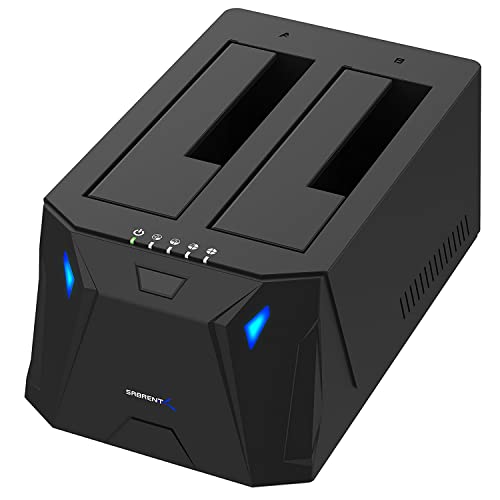
- Supports 2.5"/3.5" SATA HDDs and SSDs
- Offline clone mode works without a computer
- USB 3.0 docking also handles file transfers
Best For: Simple offline backups and everyday SATA drive access
Image Library SATA Duplicator
StarTech SATDUP11IMG image manager duplicator

- Creates and restores a disk image library
- Four copy modes, including sector-by-sector
- Standalone LCD controls for drive management
Best For: IT backup, restore, and deployment workflows
USB 3.0 Dual-Bay Clone Dock
ORICO DD28U3-C compact offline clone dock

- Supports up to 44TB total across two bays
- Offline cloning works without a computer
- Broad OS and device compatibility
Best For: Mixed-device users needing a compact backup dock
High-Speed Standalone Duplicator Dock
StarTech SDOCK2U313R fast dual-bay cloner
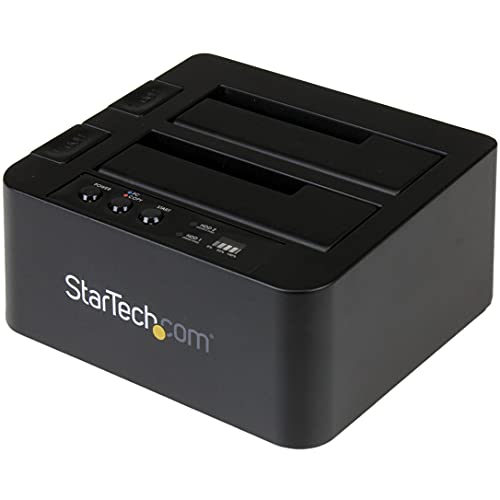
- Standalone sector-by-sector cloning with no PC
- Up to 28 GB/min copy speed
- Also works as a USB to SATA dock
Best For: Fast, no-computer cloning and quick SATA access
Standalone 1-to-3 Copy & Erase

- No PC required for copying or erasing
- Smart Copy, Raw Mode, and secure erase support
- Read Error Skip helps with failing drives
Best For: Portable backup, recovery, and secure drive wiping
Dual-Bay Offline Dock

- One-key offline cloning without a computer
- USB 3.2 Gen1 5Gbps transfer support
- Up to 40TB total capacity across two bays
Best For: Fast backups, offline cloning, and drive docking
High-Speed 1:1 Duplicator

- Standalone 1:1 copying and drive erasing
- Works with 2.5" and 3.5" SATA HDDs/SSDs
- Rated up to 90 MB/s or 5.4GB per minute
Best For: Simple standalone copying and secure sanitization
Dual-Bay Everyday Dock

- Supports 2.5-inch and 3.5-inch SATA SSDs/HDDs
- Offline cloning works without a computer
- Tool-free dock with USB 3.0 and UASP
Best For: Mixed-drive backups and easy offline cloning
4-Bay Pro Cloner
StarTech standalone eraser dock

- Standalone clone and secure erase functions
- Supports SATA drives and some IDE drives with adapters
- LCD menu and multi-function LEDs aid operation
Best For: IT-grade cloning, wiping, and drive docking
Dual-Bay Backup Hub

- Offline cloning for drive-to-drive backups
- Supports 2.5-inch and 3.5-inch SATA drives
- Adds 3 USB 3.0 hub ports
Best For: Backup users who want cloning and extra USB ports
Dual-Bay USB Cloner Dock – SABRENT EC-HD2B dual-bay offline cloner
If you want hard drive duplicators for backups that are simple to use and don’t need a PC, this SABRENT dual-bay dock is a practical pick. It supports 2.5-inch and 3.5-inch SATA HDDs or SSDs, offers offline cloning, and also works as a USB 3.0 dock for regular file access and transfers.
Best For: Users who want a straightforward dual-bay dock for offline cloning and everyday backup transfers.
Pros:
- Supports 2.5″/3.5″ SATA hard drives and SSDs
- Offline cloning works without connecting to a computer
- USB 3.0 support with transfer speeds up to 5Gbps
- Plug-and-play design with no drivers needed
Cons:
- Offline cloning speed is listed up to 60Mbps, so it is not the fastest option
- Requires standard SATA drives rather than more specialized interfaces
For basic backup duplication and drive swapping, this unit keeps the workflow simple. It is a good fit if you value easy setup and dual-use docking more than advanced imaging features.
Image Library SATA Duplicator – StarTech SATDUP11IMG image manager duplicator
Among hard drive duplicators for backups, this StarTech model stands out if you need both cloning and a reusable image library. It can duplicate drives standalone, manage stored disk images on a single drive, and offers multiple copy modes for different backup and deployment tasks.
Best For: IT professionals and technicians who need disk imaging, restore workflows, and standalone drive duplication.
Pros:
- Built-in image library manager for backup and restore workflows
- Four duplication modes, including sector-by-sector copying
- Supports 2.5″/3.5″ SATA HDDs and SSDs of any capacity
- Standalone operation with LCD display and LED indicators
Cons:
- Designed more for technical workflows than casual home use
- Only supports one source-to-target duplication setup at a time
This is a strong pick when your backup process needs more than a simple clone. The image manager and multiple modes make it especially useful for repeat deployments and restore jobs.
USB 3.0 Dual-Bay Clone Dock – ORICO DD28U3-C compact offline clone dock
If you need hard drive duplicators for backups with broad device compatibility, this ORICO dual-bay dock is worth a look. It supports offline cloning, USB 3.0 transfer speeds, and can work with 2.5-inch and 3.5-inch SATA HDDs or SSDs for backup, disk imaging, or data transfer.
Best For: Users who want a compact dual-bay dock with offline cloning and wide platform support.
Pros:
- Supports 2.5″/3.5″ SATA HDDs and SSDs up to 44TB total capacity
- Offline clone function works without a computer
- USB 3.0 with UASP and Trim support up to 5Gbps
- Compatible with Windows, Mac, Linux, iPad OS, Android, smart TVs, routers, and PS4
Cons:
- Target disk must be larger than the source disk for cloning
- The dock will not power on unless a hard drive is inserted
ORICO’s design is a good fit for mixed-device households or workspaces that need one dock for several systems. It combines easy offline cloning with broad compatibility in a small package.
High-Speed Standalone Duplicator Dock – StarTech SDOCK2U313R fast dual-bay cloner
For hard drive duplicators for backups that prioritize speed, this StarTech dual-bay dock is a strong contender. It can clone 2.5-inch and 3.5-inch SATA HDDs or SSDs without a computer and also works as a USB-to-SATA dock for quick drive access.
Best For: IT users who want a fast standalone cloner with dock-style access to SATA drives.
Pros:
- Standalone sector-by-sector cloning with no PC required
- Supports 2.5″/3.5″ SATA HDDs and SSDs of any capacity
- Copy speed rated up to 28 GB/min
- Can also function as a USB to SATA adapter for drive access
Cons:
- Target disk must be equal to or larger than the source disk
- Sector-by-sector copying may be more than some casual users need
This model makes sense when speed and simplicity matter more than extra imaging features. It’s a versatile choice for technicians who want one device for cloning and day-to-day drive handling.
Standalone 1-to-3 Copy & Erase – Vinpower HDDMINI
If you need hard drive duplicators for backups without tying up a computer, this Vinpower unit is built for straightforward standalone copying and secure erasing. It supports both 2.5″ and 3.5″ SATA HDDs and SSDs, with smart copy for accessible data and raw mode for bit-by-bit duplication.
Best For: Field technicians and users who want a compact standalone duplicator for backup, recovery, and secure drive wiping.
Pros:
- Standalone operation requires no PC or software.
- Smart Copy and Raw Mode cover both file-based and bit-by-bit duplication.
- Read Error Skip helps salvage data from failing drives with bad sectors.
- Supports secure erase to DoD 5220.22-M style standards.
Cons:
- Copies to up to 3 drives, so it is not a large-batch duplicator.
- Rated speed tops out at 90 MB/s.
Overall, this is a practical choice if you want a portable duplicator that can back up drives in the field and also wipe them securely when the job is done. Its emphasis on error skipping and standalone use makes it especially useful for maintenance and recovery work.
Dual-Bay Offline Dock – SUITOK 40TB Cloner
For hard drive duplicators for backups that double as a fast desktop dock, this dual-bay SUITOK model offers offline cloning plus USB-C connectivity for everyday transfers. It supports 2.5″ and 3.5″ SATA drives, with a one-key clone function and an LED progress bar to make the backup process easy to monitor.
Best For: Users who want a dual-bay dock for fast backups, offline cloning, and general drive management.
Pros:
- One-key offline cloning works without a computer.
- USB 3.2 Gen1 5Gbps connection supports faster file transfers.
- Each bay supports up to 20TB, for 40TB total capacity.
- UASP, TRIM, and S.M.A.R.T. support add useful drive management features.
Cons:
- Supports 2 drives total, so it is not a multi-target duplicator.
- Best features depend on SATA drives and compatible host systems.
This is a good fit if you want a backup-focused dock that can also clone drives offline when needed. The mix of standalone duplication, high-capacity support, and USB-C access makes it flexible for home and IT use.
High-Speed 1:1 Duplicator – Systor SYS101HS-DP
This Systor unit is a straightforward option among hard drive duplicators for backups if you want 1:1 copying and secure sanitization in a standalone box. It works with both 2.5″ and 3.5″ SATA HDDs and SSDs, and it can copy files or whole drives without needing a PC.
Best For: Business or home users who need a simple standalone copier/eraser for SATA drives.
Pros:
- Standalone operation with no computer or software required.
- Supports both data-only copies and full-disk duplication.
- Up to 90 MB/s transfer speed, rated at 5.4GB per minute.
- DoD 5220.22-M style erasing is built in for sanitization tasks.
Cons:
- Only supports 1:1 duplication, so it is limited for larger workflows.
- The design is focused on SATA drives, not broader storage formats.
In practical terms, this Systor model is best when you want dependable copy-and-erase functionality rather than extra bells and whistles. It keeps the workflow simple, which is useful for regular backups, data migration, and decommissioning drives.
Dual-Bay Everyday Dock – ICY BOX offline clone dock
If you want hard drive duplicators for backups that also work as a day-to-day dock, this ICY BOX unit is a practical fit. It supports both 2.5-inch and 3.5-inch SATA HDDs and SSDs, so you can use it for quick file access, backup jobs, and offline cloning without extra adapters.
Best For: Users who need a simple dual-bay dock for mixed drive types, offline cloning, and routine backup workflows.
Pros:
- Supports both 2.5-inch and 3.5-inch SATA SSDs and HDDs.
- Offline clone function lets you duplicate drives without a computer.
- Tool-free design makes drive swaps fast and convenient.
- USB 3.0 with UASP support helps speed up transfers and backups.
Cons:
- Only supports two drives at a time.
- Cloning is limited to SATA drives.
For buyers who want a straightforward dock first and a duplicator second, this model offers a balanced mix of compatibility and convenience. Its wide OS support and no-driver setup make it easy to slot into most backup routines.
4-Bay Pro Cloner – StarTech standalone eraser dock
Among hard drive duplicators for backups, this StarTech unit stands out for standalone cloning plus secure erase functions. It handles 2.5-inch and 3.5-inch SATA drives, and the included IDE adapters broaden compatibility for older drives in environments that still need them.
Best For: IT users who need a 4-bay standalone duplicator, eraser, and docking station for backup, recovery, and sanitizing tasks.
Pros:
- Standalone cloning and erasing work without a host computer.
- Supports 2.5-inch and 3.5-inch SATA drives, plus some IDE drives with adapters.
- LCD menu makes mode selection and drive checks easier.
- Quick Erase and Secure Erase modes are built in.
Cons:
- Target disk must be equal to or larger than the source disk.
- Bulkier and more specialized than a basic dual-bay dock.
This is the most feature-rich option here if your workflow includes cloning, wiping, and inspecting multiple drives. It is especially useful when the job calls for stronger IT-oriented controls rather than simple backup copying.
Dual-Bay Backup Hub – MAIWO cloner with USB hub
This MAIWO model is a versatile pick if you want hard drive duplicators for backups with a little extra utility built in. It supports 2.5-inch and 3.5-inch SATA HDDs and SSDs, includes offline cloning, and adds three USB 3.0 hub ports for attaching flash drives or other USB devices.
Best For: Users who want a dual-bay offline cloner plus extra USB hub functionality for backup and file handling.
Pros:
- Offline cloning supports backup copying without a computer.
- Dual-bay design supports both 2.5-inch and 3.5-inch SATA drives.
- Includes 3 USB 3.0 hub ports for added device flexibility.
- 12V 3A power supply is designed for stable operation.
Cons:
- Only two drives can be duplicated at once.
- Most useful for SATA workflows rather than broader enterprise formats.
If you want a backup dock that does more than just clone drives, this MAIWO option brings extra convenience without losing the core duplicator function. It is a smart choice for users who juggle backups, transfers, and small accessory connections from one station.
How We Picked the Best Hard Drive Duplicators for Backups
We prioritized standalone cloning, broad SATA compatibility, and useful backup-oriented features like erase modes, image management, and clear status indicators. We also looked at duplication speed, drive size support, and whether the unit is better suited to occasional home use or heavier workflow demands.
Quick Comparison
The best Hard Drive Duplicators for Backups generally fall into three groups: simple dual-bay docks for straightforward 1:1 cloning, image-capable units for more flexible backup workflows, and multi-bay systems for copying or erasing several drives at once. Dual-bay models are the easiest to use, while 4-bay options are better for higher-volume tasks.
Key Buying Factors for Hard Drive Duplicators for Backups
Cloning Mode
Choose between sector-by-sector duplication, file/image-based workflows, or both. If your priority is a true drive mirror, a dedicated standalone clone mode is the most important feature.
Drive Type and Capacity Support
Make sure the duplicator supports both 2.5-inch and 3.5-inch SATA drives if you work with laptops and desktops. Also check the maximum supported capacity so the unit can handle larger backup drives as your needs grow.
Speed and Throughput
Faster transfer rates matter most when you are cloning large disks frequently. A higher rated duplication speed can reduce downtime, but real-world performance still depends on the source and target drives.
Erasing and Imaging Features
Some Hard Drive Duplicators for Backups also include secure erase or image-management tools. These are useful if you need to repurpose drives, sanitize retired media, or maintain a repeatable backup workflow.
Ease of Use
Look for clear LEDs, an LCD status display, and a straightforward dock design. Simpler controls are valuable when you need reliable results without software setup.
Who Should Buy Which Hard Drive Duplicators for Backups?
If you want an easy entry point for occasional backups, a dual-bay dock-style cloner is usually the best fit. If you handle larger drives or copy jobs often, choose a faster standalone duplicator with better status feedback. For IT teams, labs, or anyone rotating multiple disks, a multi-bay duplicator with erase support offers the most flexibility.
For most buyers, the right choice comes down to whether you want convenience, speed, or higher-volume backup handling. Match the unit to your drive types, cloning frequency, and workspace needs to get the best long-term value.