Choosing the right memory card reader can save time on set, speed up ingest, and reduce card-handling headaches in post.
Below, we’ve rounded up 10 of the best options for different camera formats, connection types, and editing workflows in 2026.
Best 10 Memory Card Reader for Videographers Picks for 2026
Best All-in-One Legacy Reader
BENFEI 4-in-1 USB-C/USB 3.0 Card Reader

- Reads SD, microSD, MS, and CF cards
- USB-C and USB-A friendly design
- Can access 4 cards simultaneously
Best For: mixed-card workflows that still use older formats
Best for CFexpress Speed
Rocketek CFexpress Type B + SD 10Gbps Reader

- Up to 10Gbps for large video files
- Reads CFexpress Type B and SD together
- USB-C and USB-A dual connectivity
Best For: fast offloads from CFexpress Type B cameras
Best Budget Multi-Card Hub
UGREEN 4-Slot USB 3.0 Card Reader
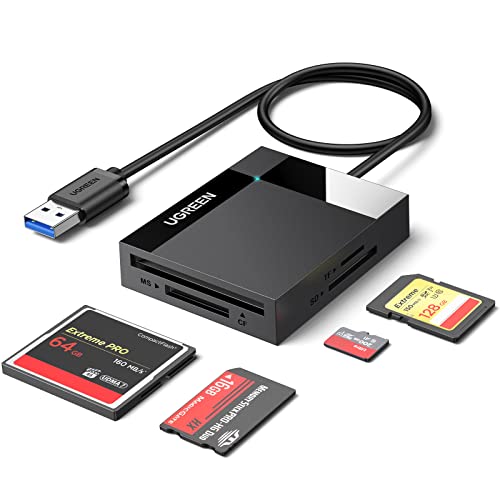
- Supports SD, microSD, CF, and MS
- Transfers up to 5Gbps over USB 3.0
- Reads 4 cards at the same time
Best For: general-purpose offloads on a budget
Best Compact Travel Option
Acer 3-in-1 USB-C SD/microSD Reader

- Reads SD and microSD plus a USB port
- Up to 5Gbps transfer speed
- Compact aluminum design with 15cm cable
Best For: travel shooters using SD and microSD cards
Multi-format travel pick
4-in-1 USB 3.0 Multi-Card Reader

- Supports SD, microSD, MS, and CF cards
- USB 3.0 transfer speeds up to 5 Gbps
- Plug-and-play on Windows, Mac, and Linux
Best For: Videographers needing one portable reader for mixed card types
Dual-interface workflow pick
Dual USB-C/USB-A SD & microSD Reader

- Dual USB-C and USB-A connectivity
- Reads SD and microSD cards together
- Slim, plug-and-play design with protective covers
Best For: Videographers switching between USB-C and USB-A setups
Compact dual-connector pick
Compact USB-C/USB-A SD Card Reader

- USB-C and USB-A in one compact reader
- Reads SD and microSD cards simultaneously
- Fast 5 Gbps transfers with broad OS support
Best For: Videographers who prioritize portability and dual-device compatibility
Ultra-Compact Everyday Pick
Anker USB-C Dual Slot Card Reader
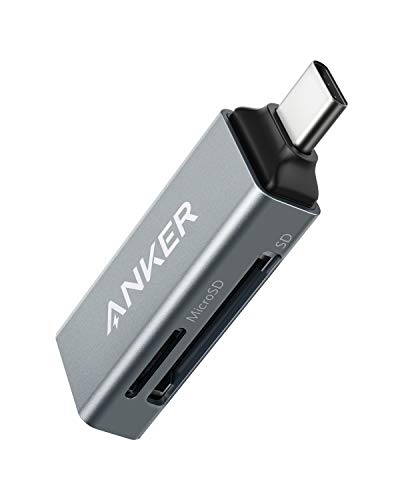
- Dual SD and microSD slots
- USB-C for laptops and phones
- Compact design for travel use
Best For: Videographers who need a small, simple reader for SD and microSD cards
Multi-Format Pro Choice
Rocketek CFexpress 4-in-1 Reader

- CFexpress Type A/B plus SD4.0 support
- 10Gbps USB 3.2 Gen 2 transfers
- Compact metal build for travel
Best For: Videographers working with CFexpress and SD4.0 cards
Best Value Dual-Header Pick
Acer USB-C/USB-A Dual Slot Reader

- Dual SD and microSD slots
- USB-A and USB-C headers
- 5Gbps plug-and-play transfers
Best For: Videographers who need one reader for both USB-A and USB-C setups
Best All-in-One Legacy Reader – BENFEI 4-in-1 USB-C/USB 3.0 Card Reader
If you want a memory card reader for videographers that can handle mixed media without slowing down your workflow, this BENFEI 4-in-1 is built for the job. It reads SD, microSD, MS, and CF cards, and its USB-C/USB 3.0 dual interface makes it easy to use with newer laptops or older USB-A ports.
Best For: Videographers who need a compact, multi-format reader for SD, microSD, CF, and MS cards on both USB-C and USB-A systems.
Pros:
- Reads four card types, including SD, microSD, MS, and CF
- Works with both USB-C and USB 3.0/2.0 connections
- Can read four cards at the same time
- Supports transfer rates up to 160MB/sec with UHS-I cards
Cons:
- Speed depends on the card and the USB port being used
- Not compatible with Memory Stick Standard, Memory Stick Micro (M2), or CF Type I
This is a practical choice for shooters who still move between legacy and modern card formats. It is less specialized than a dedicated CFexpress reader, but the broad compatibility makes it useful on set and in the edit bay.
Best for CFexpress Speed – Rocketek CFexpress Type B + SD 10Gbps Reader
For a memory card reader for videographers working with larger video files, this Rocketek model focuses on speed and modern card support. Its CFexpress Type B slot and SD slot are designed for simultaneous reading, and the USB 3.1 Gen2 interface targets fast transfers for 4K/8K footage and RAW photos.
Best For: Videographers who shoot on CFexpress Type B and want a fast, travel-friendly reader with SD support.
Pros:
- CFexpress Type B support with up to 10Gbps transfer speeds
- Dual-slot design reads CFexpress Type B and SD cards at the same time
- USB-C and USB-A connectivity for broader device compatibility
- Aluminum alloy body helps with durability and heat dissipation
Cons:
- Only supports CFexpress Type B, not other CFexpress formats
- Fewer slots than multi-format readers aimed at legacy cards
If your camera uses CFexpress Type B, this is the most workflow-focused option in the group. It keeps the design simple while prioritizing the kind of transfer speed video creators actually need after a shoot.
Best Budget Multi-Card Hub – UGREEN 4-Slot USB 3.0 Card Reader
This UGREEN model is a straightforward memory card reader for videographers who want broad format support and simple plug-and-play use. With SD, microSD, CF, and MS slots plus USB 3.0 speeds, it handles common camera cards and lets you work with multiple cards at once.
Best For: Videographers who need an affordable, compact reader for common SD, microSD, CF, and MS cards.
Pros:
- Supports SD, microSD, CF, and MS card formats
- Reads and writes 4 cards simultaneously
- USB 3.0 transfers up to 5Gbps
- Compatible with Windows, Mac, Linux, and Chrome OS
Cons:
- Uses a cable-style compact design instead of a direct plug body
- Not built for CFexpress workflows
For general production use, this is the kind of reader that gets the job done without extra complexity. It is especially appealing if you need one hub that can handle a mix of card types across different devices.
Best Compact Travel Option – Acer 3-in-1 USB-C SD/microSD Reader
If you want a light, portable memory card reader for videographers who mostly shoot on SD and microSD, this Acer model keeps things simple. It combines dual card slots with a USB 3.0 port, so you can move footage and connect a small USB accessory without carrying extra gear.
Best For: Videographers who need a small USB-C reader for SD and microSD cards during travel or remote shoots.
Pros:
- Supports SD, microSD, and a USB 3.0 accessory port
- Transfers at up to 5Gbps
- Aluminum shell helps with heat dissipation and stability
- Compact body with a 15cm cable for easier placement
Cons:
- Does not support CF, MS, XQD, SDUC, or UHS-II cards
- SD and microSD cards are not included
This is the most minimalist option here, which makes sense if your workflow revolves around SD media and mobility. It is less versatile than the 4-slot readers, but the smaller footprint can be a real advantage in the field.
Multi-format travel pick – 4-in-1 USB 3.0 Multi-Card Reader
If you want a straightforward memory card reader for videographers, the SmartQ C368 focuses on broad card support and simple plug-and-play use. Its four-slot design covers SD, microSD, Memory Stick, and CompactFlash formats, making it handy when your footage comes from different cameras or older gear.
Best For: Videographers who need a compact multi-format reader for mixed card types and travel use.
Pros:
- Supports SD, microSD, Memory Stick, and CompactFlash cards in one unit
- USB 3.0 connection with up to 5 Gbps transfer speed
- Plug-and-play compatibility with Windows, Mac OS, and Linux
- Blue LED indicator shows power/status at a glance
Cons:
- Does not include memory cards
- Uses a USB Type-A connection rather than USB-C
- Bulkier than single-slot readers
The SmartQ C368 is a practical choice if your workflow involves several card formats and you want one reader that stays simple and portable. It’s best suited to users who value compatibility and convenience over ultra-compact design.
Dual-interface workflow pick – Dual USB-C/USB-A SD & microSD Reader
The uni PIXEL is a versatile memory card reader for videographers who move between USB-C and USB-A devices. With dual slots for SD and microSD cards, plus simultaneous read/write support, it’s built to speed up offloading and sorting footage without constant swapping.
Best For: Creators who need a slim dual-slot reader for USB-C and USB-A devices.
Pros:
- USB-C and USB 3.0 interfaces both support up to 5 Gbps
- Reads SD and microSD cards at the same time
- Compact design with protective covers and attached cord
- Works with Windows, Mac OS, Android, and many USB-C devices
Cons:
- Does not support CF Express, XQD, SIM, or Memory Stick cards
- SD cards and microSD cards are not included
- Not compatible with Lightning port devices
For editors and shooters who mostly use SD or microSD media, this reader offers a clean balance of speed, portability, and device flexibility. The dual-interface design makes it especially useful in mixed laptop and mobile workflows.
Compact dual-connector pick – Compact USB-C/USB-A SD Card Reader
The UGREEN 2-in-1 is a compact memory card reader for videographers who want a simple, travel-friendly way to offload SD and microSD media. Its dual USB-C and USB-A design, along with simultaneous card reading, makes it easy to move footage quickly between cameras, laptops, and mobile devices.
Best For: Videographers who want a slim, dual-interface reader for quick SD and microSD transfers.
Pros:
- USB-C and USB-A connectors in one compact body
- Reads SD and microSD cards at the same time
- Up to 5 Gbps transfer speed for fast file offloads
- Works with Windows, macOS, Android, Chrome OS, Linux, and more
Cons:
- Limited to SD and microSD card families
- Does not include memory cards
- Not designed for CF, MS, or XQD media
This is a strong everyday pick if your video workflow centers on SD-based cameras and you want a reader that stays small without giving up flexibility. It’s especially appealing for creators who split time between laptops, tablets, and phones.
Ultra-Compact Everyday Pick – Anker USB-C Dual Slot Card Reader
If you want a simple memory card reader for videographers that handles both SD and microSD cards, this Anker USB-C option keeps things straightforward. It’s a compact, dual-slot reader built for quick file swaps on USB-C laptops and phones, with broad support for SD, SDHC, SDXC, and microSD formats.
Best For: Videographers who need a small, travel-friendly reader for everyday SD and microSD offloads.
Pros:
- Dual slots for standard SD and microSD cards
- USB-C design works with laptops and smartphones
- Supports a wide range of SD and microSD formats
- Ultra-compact footprint for tight desk or bag setups
Cons:
- May require removing your device case
- Limited to two card types, so it won’t cover CFexpress workflows
For creators who mainly shoot on SD-based cameras and want an easy plug-in reader, this is a practical low-fuss choice. It’s less specialized than higher-end multi-format models, but its simplicity is exactly the appeal.
Multi-Format Pro Choice – Rocketek CFexpress 4-in-1 Reader
This memory card reader for videographers is built for heavier workflows, with support for CFexpress Type A, CFexpress Type B, SD4.0, and microSD/TF cards. With 10Gbps USB 3.2 Gen 2 transfer speed and a compact metal shell, it’s aimed at creators moving large video files and wanting one reader for multiple card types.
Best For: Videographers working with CFexpress and UHS-II/SD4.0 cards who need a compact all-in-one reader.
Pros:
- Supports CFexpress Type A, CFexpress Type B, SD4.0, and microSD/TF
- 10Gbps USB 3.2 Gen 2 transfer speed
- Works across Windows, Mac, Linux, Android, iOS, and iPadOS
- Aluminum alloy shell is built for portable use and heat dissipation
Cons:
- Only one card can be recognized at a time when both CFexpress slots are used
- Requires powering through the Type-C charging port for stable operation
For mixed-card shooters, this is the most flexible option in the group and the one best suited to high-volume video transfers. Its standout strength is format coverage, though the single-active-card limitation is worth noting.
Best Value Dual-Header Pick – Acer USB-C/USB-A Dual Slot Reader
If you need a practical memory card reader for videographers who move files between cameras, laptops, and mobile devices, this Acer model keeps the setup versatile. It offers dual SD and microSD slots, both USB-A and USB-C headers, and a slim, travel-friendly body designed for quick plug-and-play transfers.
Best For: Videographers who want a versatile reader that works with both USB-A and USB-C devices.
Pros:
- Dual slots support SD and microSD cards
- USB-A and USB-C headers improve compatibility
- 5Gbps transfer speed for quick offloads
- Protective covers and attached cord make it easy to carry
Cons:
- Not compatible with CFexpress, XQD, MS, or Memory Stick cards
- Thick cases may prevent full insertion
This is a strong everyday pick for creators who split time between older and newer gear. It doesn’t target premium card formats, but its broad device support and simple operation make it a dependable utility reader.
How We Picked the Best Memory Card Reader for Videographers
We focused on the features that matter most in a Memory Card Reader for Videographers: card-format support, transfer speed, connection type, build quality, and real-world workflow convenience. That means prioritizing readers that can handle common camera cards without bottlenecks, whether you’re offloading a day of interviews or backing up high-bitrate footage on location.
We also favored options with broad device compatibility, since many creators move between laptops, desktops, hubs, and field monitors. Products that support USB-C and USB-A, multiple card slots, or simultaneous reads earned extra weight where they fit a practical use case.
Quick Comparison: What Matters Most
Not every videographer needs the fastest or most specialized reader. For SD-based mirrorless cameras, a compact USB-C reader may be enough. If you shoot on higher-end cinema or hybrid cameras, a CFexpress model can be the better fit. Multi-card readers are useful for teams or creators juggling several card types, while dual-slot designs strike a strong balance between speed and portability.
Key Buying Factors for a Memory Card Reader for Videographers
Card Format Support
Match the reader to your camera media first. SD, microSD, CF, CFexpress Type A, and CFexpress Type B are not interchangeable, so your workflow should start with the formats you actually use.
Transfer Speed
Look at the interface as well as the card rating. A fast card can still be limited by a slower reader or port. USB 3.0, USB-C, and USB 3.2 Gen 2 models are better choices when you regularly move large video files.
Portability and Cabling
Field shooters often want a small reader that travels easily and connects directly to a laptop or tablet. Studio editors may prefer a more substantial hub-style design if it improves desk organization and multi-card access.
Durability and Heat
Frequent ingest sessions can generate heat and wear. A sturdier enclosure and reliable connection help reduce interruptions, especially during long offload sessions or repeated daily use.
Who Should Buy Which Memory Card Reader for Videographers?
If you mainly shoot on SD or microSD cameras, a compact USB-C or dual-slot reader is usually the best value. If you handle multiple card types, a multi-format hub-style reader is more efficient. For filmmakers using higher-end cameras with CFexpress media, choose a reader specifically built for that standard so you get the performance your footage demands.
In short, the best Memory Card Reader for Videographers is the one that matches your camera cards, laptop ports, and turnaround time. Pick for your actual workflow, not just the fastest spec on the box.