If you want a desktop that works hard without sounding like it, quiet desktop computers are the sweet spot. They’re ideal for focused home offices, shared workspaces, and living rooms where fan noise matters.
This roundup highlights compact, business-friendly, and performance-oriented systems designed to stay discreet while still handling everyday productivity, multitasking, and dual-monitor setups.
Best 10 Quiet Desktop Computers Picks for 2026
Silent Performance Mini PC

- Quiet Mode for noise-sensitive work
- Ryzen 7 8745HS with Radeon 780M
- 16GB DDR5, 1TB SSD, heavy upgrade room
Best For: Students and home users who want a quiet mini PC with performance headroom
Ultra-Quiet Business Tower

- Ultra-quiet business-focused tower
- Intel Core i3-13100 with DDR5 support
- Wi-Fi 6, Bluetooth, Ethernet, broad ports
Best For: Office and home users who want a quiet, ready-to-use business desktop
Space-Saving Quiet Micro PC
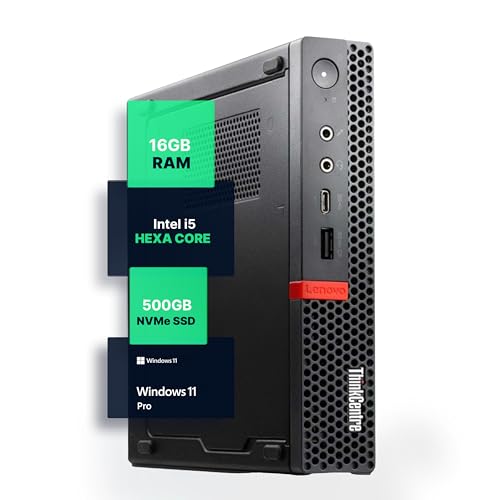
- Ultra-small footprint for tight desks
- Intel Core i5 8400T for daily productivity
- 16GB RAM and 500GB NVMe SSD
Best For: Space-conscious buyers who need a quiet everyday office or home PC
Quiet Everyday Business Tower

- Ultra-quiet design for office use
- Dual 4K monitor support plus USB-C
- SD card reader, Wi-Fi 6, Bluetooth
Best For: Basic business users who want a quiet, ready-to-use desktop with flexible connectivity
Quiet Productivity Pick
Dell Slim Desktop, Intel Core Ultra 5
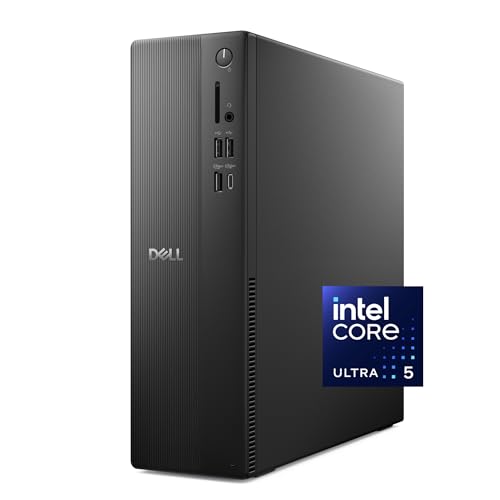
- Compact tower for small workspaces
- Up to four FHD or two 4K displays
- Tool-less panel for easier upgrades
Best For: Small offices and home users who want a slim, practical desktop
Ultra-Quiet Mini PC

- Ultra-quiet mini PC design
- Dual DisplayPort 1.4 for two 4K screens
- Expandable up to 64GB RAM and 4TB SSD
Best For: Quiet, space-saving office setups with dual-monitor needs
Refurbished Workhorse
Dell OptiPlex 7070 SFF, i7-9700

- 32GB RAM and 1TB NVMe SSD
- Dual DisplayPort outputs for two displays
- Wi‑Fi 6E and wireless accessories included
Best For: Business and home office users who want strong value from a renewed PC
Quiet Office Starter

- Ultra-quiet compact tower
- Dual 4K monitor support
- USB-C, HDMI, VGA, Wi-Fi 6
Best For: Small offices and home workstations
Quiet Power Pick

- 14-core Intel i5-14500 performance
- Ultra-quiet business tower
- DDR5 RAM and PCIe SSD support
Best For: Users needing stronger multitasking in a quiet office PC
Space-Saver Quiet Choice

- Ultra-compact mini PC design
- Ultra-quiet business desktop
- Dual-4K support with DisplayPort
Best For: Tiny desks and low-noise business setups
Silent Performance Mini PC – GEEKOM AX8 Max
If you want quiet desktop computers that can still handle everyday productivity and heavier creative work, the GEEKOM AX8 Max is built around low-noise operation with flexible power modes. Its IceBlast 2.0 cooling, Ryzen 7 8745HS processor, and upgrade-friendly design make it a practical compact option for users who want a small footprint without giving up performance.
Best For: Students, home users, light office work, and buyers who want a silent mini PC with room to grow.
Pros:
- Quiet Mode is tuned for low-power, noise-sensitive tasks like studying and office work.
- Ryzen 7 8745HS with Radeon 780M supports multitasking, creative apps, and demanding workloads.
- 16GB DDR5 RAM and 1TB Gen 4 SSD offer fast everyday responsiveness, with large upgrade headroom.
- Dual 2.5GbE LAN and USB4 add strong connectivity for advanced desk setups.
Cons:
- Performance Mode may be more than many everyday users need.
- Best-in-class silence is still dependent on workload and cooling demands.
This is a strong fit if you want a compact machine that can stay discreet during normal use but still scale up for more demanding tasks when needed. The combination of silent operation, expandable hardware, and modern ports makes it versatile for a wide range of desks.
Ultra-Quiet Business Tower – Dell QCT1250 Business Desktop
For shoppers comparing quiet desktop computers for office use, the Dell QCT1250 focuses on a business-friendly balance of speed, security, and low-distraction operation. It pairs an Intel Core i3-13100 with DDR5 memory support, SSD storage options, and a compact tower design that is meant to fit smoothly into a productive workspace.
Best For: Business users and home office setups that want a quiet, dependable desktop with modern connectivity.
Pros:
- Ultra-quiet design is aimed at reducing distraction in work environments.
- Intel Core i3-13100 offers responsive everyday business performance.
- Supports up to 64GB DDR5 RAM and up to a 4TB PCIe M.2 SSD.
- Includes Wi-Fi 6, Bluetooth, Ethernet, and broad port selection for desk setups.
Cons:
- Integrated graphics are best suited to everyday productivity rather than graphics-heavy work.
- Quad-core CPU is more office-focused than content-creation focused.
This desktop makes sense if your priority is a calm, business-ready system with enough flexibility for common office needs. The included keyboard and mouse, plus Windows 11 Pro, make it especially convenient for a straightforward setup.
Space-Saving Quiet Micro PC – Lenovo ThinkCentre M720Q
The Lenovo ThinkCentre M720Q is a compact option for quiet desktop computers when desk space matters as much as everyday reliability. With an Intel Core i5 8400T, 16GB of RAM, and a 500GB NVMe SSD, it is built for smooth everyday multitasking, low power use, and a small footprint that works well in home or office environments.
Best For: Users who want a small, efficient desktop for everyday work, browsing, and business use.
Pros:
- Ultra-small form factor saves desk space and supports flexible placement.
- Intel Core i5 8400T is suited to everyday multitasking and productivity.
- 16GB RAM and 500GB NVMe SSD deliver responsive load times.
- Low power usage and quiet operation fit professional environments.
Cons:
- Renewed unit may not appeal to buyers seeking brand-new hardware.
- Older 8th Gen platform is less future-focused than newer systems.
If you want a compact desktop that stays out of the way and keeps noise to a minimum, this ThinkCentre is a practical pick. It is not a powerhouse, but it covers office work and daily use efficiently in a very small chassis.
Quiet Everyday Business Tower – Acer Aspire Business Desktop
The Acer Aspire Business Desktop is a straightforward choice for quiet desktop computers in a work-focused setup. It combines an Intel processor, 8GB of memory, a 256GB PCIe SSD, and an ultra-quiet design, giving you a simple machine for business use, dual 4K monitor support, and a clean desktop footprint.
Best For: Basic office users who want a quiet tower with useful ports and monitor support.
Pros:
- Ultra-quiet design helps reduce noise in a shared office or home workspace.
- Dual 4K monitor support and USB-C add flexibility for productivity setups.
- Includes SD card reader, Ethernet, Wi-Fi 6, Bluetooth, and multiple ports.
- Comes with a wired keyboard and mouse for a ready-to-use setup.
Cons:
- 8GB RAM and 256GB SSD are modest compared with higher-capacity business desktops.
- Best suited to basic business tasks rather than demanding workloads.
This Acer makes sense if you want a simple, quiet desktop for standard business use without a complicated setup. It is especially appealing for users who value connectivity, monitor support, and an easy out-of-box experience.
Quiet Productivity Pick – Dell Slim Desktop, Intel Core Ultra 5
If you want one of the more practical quiet desktop computers for a home office or study, this Dell Slim Desktop is built around a compact tower design with efficient everyday performance. It focuses on productivity features like support for multiple monitors, a tool-less case for easy upgrades, and a modern finish that fits small workspaces well.
Best For: Small offices, home workstations, and users who want a slim desktop with easy expandability.
Pros:
- Intel Core Ultra 5 platform includes built-in AI features for productivity and creativity tasks.
- Supports up to four FHD monitors or two 4K displays for flexible desk setups.
- Tool-less entry and removable side panel make upgrades straightforward.
- Includes hardware TPM security and a lock slot for business-minded use.
Cons:
- Uses integrated Intel UHD Graphics rather than a discrete graphics card.
- Only one expansion slot is listed, so internal upgrade room appears limited.
- External speakers are required for audio output.
This is a strong fit if you need a compact desktop that balances quiet, everyday usability with monitor flexibility and simple maintenance.
Ultra-Quiet Mini PC – HP Elite 805 Mini, Ryzen 5
For buyers comparing quiet desktop computers, this HP Elite 805 Mini PC stands out for its ultra-quiet design and very small footprint. It pairs an AMD Ryzen 5 processor with 16GB of RAM, a 512GB PCIe SSD, and dual DisplayPort 1.4 outputs, making it a tidy fit for modern desks that need strong everyday responsiveness without taking up much space.
Best For: Compact workstations, quiet office setups, and users who need dual-display support in a tiny PC.
Pros:
- Ultra-quiet design is ideal for low-noise work environments.
- Very compact size and sub-3-pound weight make placement easy.
- Dual DisplayPort 1.4 outputs support two 4K displays.
- Expandable to up to 64GB RAM and up to 4TB SSD storage.
Cons:
- Integrated graphics are listed, so it is not aimed at graphics-heavy work.
- Mini PC form factor offers less internal room than a larger tower.
- It comes configured with 16GB RAM and 512GB SSD, not the maximum listed specs.
If you want a discreet desktop that stays small and quiet while still handling daily multitasking well, this HP mini is a compelling option.
Refurbished Workhorse – Dell OptiPlex 7070 SFF, i7-9700
This Dell OptiPlex 7070 Small Form Factor is a solid choice if you want a business desktop that keeps things practical and relatively unobtrusive. It combines an Intel Core i7-9700, 32GB of RAM, and a 1TB NVMe SSD with Wi‑Fi 6E and dual DisplayPort outputs, so it is well suited to office workflows where steady performance matters.
Best For: Business users and home offices that need a capable refurbished desktop with strong multitasking hardware.
Pros:
- Intel Core i7-9700 and 32GB RAM support smooth multitasking.
- 1TB NVMe SSD provides fast storage and boot times.
- Dual DisplayPort outputs make two-monitor setups easy.
- Includes Wi‑Fi 6E and wireless keyboard and mouse in the bundle.
Cons:
- It is a renewed unit, not a new desktop.
- Model year 2018 and 90-day warranty may be less appealing than newer systems.
- Listed as a tower with air cooling, so it is not specifically marketed as ultra-quiet.
For buyers who care more about dependable office performance than the newest hardware, this OptiPlex remains a practical and well-equipped desktop option.
Quiet Office Starter – Acer Aspire Business Desktop
If you want quiet desktop computers for a simple business setup, this Acer Aspire keeps the focus on basics that matter: a compact tower, broad port selection, and support for dual 4K monitors. It’s aimed at everyday office work, with Windows 11 and included keyboard and mouse making it easy to put into service right away.
Best For: Small offices and home workers who need a quiet, compact desktop with solid everyday connectivity.
Pros:
- Ultra-quiet design in a compact business tower
- Dual 4K monitor support for a more flexible workspace
- Wide connectivity including USB-C, HDMI, VGA, Ethernet, Wi-Fi 6, and Bluetooth
- Includes wired keyboard and mouse
Cons:
- Intel Celeron N4505 is built for daily computing, not heavy workloads
- 16GB RAM and 512GB SSD may be enough for basics, but not for every power user
- Only one HDMI port listed in the specs
This Acer makes sense if your priority is a dependable, quiet desktop that covers the essentials without taking up much room. It’s best viewed as a practical office machine rather than a performance-first system.
Quiet Power Pick – Dell Pro Business Desktop
For buyers comparing quiet desktop computers, this Dell Pro is the performance-oriented option in the group. It pairs a 14th Gen Intel i5-14500 with DDR5 memory, fast PCIe SSD storage, and an ultra-quiet design, making it a strong fit for busy desks that still need a low-noise footprint.
Best For: Professionals who want a quiet business desktop with stronger multitasking performance and modern connectivity.
Pros:
- 14th Gen Intel i5-14500 with 14 cores and 20 threads
- Ultra-quiet design for office use
- DDR5 memory and PCIe SSD support for fast responsiveness
- Strong port selection including USB-C, HDMI, DisplayPort, Ethernet, Wi-Fi 6, and Bluetooth
Cons:
- More performance-focused than a basic desktop, so it may be more than some users need
- Integrated graphics are listed, so it is not built for dedicated graphics workloads
- Keyboard and mouse are included, but the setup is still mainly business-oriented
If you want a quiet desktop that feels closer to a modern office workhorse than an entry-level box, this Dell stands out. It offers the most headroom here for multitasking and future growth.
Space-Saver Quiet Choice – Lenovo ThinkCentre Mini
This Lenovo ThinkCentre Mini is a practical fit if you want quiet desktop computers in the smallest possible footprint. Its ultra-quiet mini PC design, dual-4K monitor support, and business-ready Windows 11 Pro setup make it useful for tight desks, front-desk spaces, and simple office stations.
Best For: Minimalist workspaces, front desks, and home offices where size and noise matter most.
Pros:
- Ultra-compact mini PC design saves desk space
- Ultra-quiet operation suits shared or customer-facing areas
- Dual-4K monitor support with DisplayPort connectivity
- Wi-Fi, Bluetooth, RJ-45, and USB-C support for flexible setup
Cons:
- AMD dual-core processor is geared to office basics rather than heavy workloads
- Comes with 8GB RAM and 256GB SSD in this configuration, which is modest
- DisplayPort-only video output may require adapters for some monitors
For buyers who care more about space-saving and low noise than raw speed, this Lenovo is easy to recommend. It is a compact business desktop that covers the essentials without drawing attention.
How We Picked the Best Quiet Desktop Computers
We looked for desktop PCs that balance low noise, practical thermals, and dependable performance. Priority went to models with efficient processors, compact business-oriented designs, SSD storage, and configurations that make sense for common work tasks rather than unnecessary power you won’t use.
We also favored desktops with useful features such as Wi-Fi, Bluetooth, USB-C, and dual-monitor support, since those often matter more than raw specs for most buyers.
Quick Comparison
In general, mini PCs are best for the smallest footprint and the least visual clutter, while slim desktops and SFF towers usually offer a little more expansion room. If you want a near-silent setup for office apps and web work, a lower-power mini PC is often enough. If you need more multitasking headroom or plan to keep the machine for years, a stronger CPU and more RAM are worth prioritizing.
Key Buying Factors for Quiet Desktop Computers
Processor Efficiency
Efficient CPUs usually run cooler and require less aggressive fan speeds, which helps reduce noise. For everyday work, look for modern Intel Core or AMD Ryzen chips with strong efficiency rather than the highest possible wattage.
Storage and Memory
An SSD is essential for quieter operation because it has no moving parts. For smooth daily use, 16GB of RAM is a sensible baseline; power users, heavy multitaskers, and workstation-style buyers may want 32GB or more.
Cooling Design
Look for mentions of quiet, ultra-quiet, or silent design, but also consider the form factor. Larger cases can sometimes dissipate heat more easily, while mini PCs depend more on careful thermal design. Real-world noise depends on workload, not just the label.
Ports and Display Support
Dual-monitor support, USB-C, Ethernet, and modern wireless connectivity can improve usability without adding noise. For office setups, these features often matter more than gaming-oriented specs.
Who Should Buy Which Quiet Desktop Computers?
If you want the smallest and quietest setup possible, choose a mini PC with an efficient processor and SSD storage. If you need a dependable office machine with a little more flexibility, a slim desktop or small-form-factor system is a strong middle ground. If your workload is heavier, choose one of the higher-performance Quiet Desktop Computers with more RAM and a faster CPU so the fans don’t have to work as hard during busy sessions.
For most buyers, the best choice is the model that stays cool under your typical workload, not the one with the biggest specs on paper. Match the machine to your day-to-day use, and you’ll get a quieter, more comfortable desktop experience.