The best USB condenser microphones make it easy to capture detailed vocals for podcasts, streams, calls, gaming, and home recordings without a separate audio interface.
These 10 models cover a range of priorities, from plug-and-play simplicity and compact gaming designs to multi-pattern recording and more advanced monitoring controls.
Best 10 USB Condenser Microphones Picks for 2026
Versatile Streaming Pick

- Four selectable pickup patterns
- Blue VO!CE effects software
- Onboard gain, mute, and headphone controls
Best For: Streamers, podcasters, and multi-person recording setups
Compact Gaming Pick
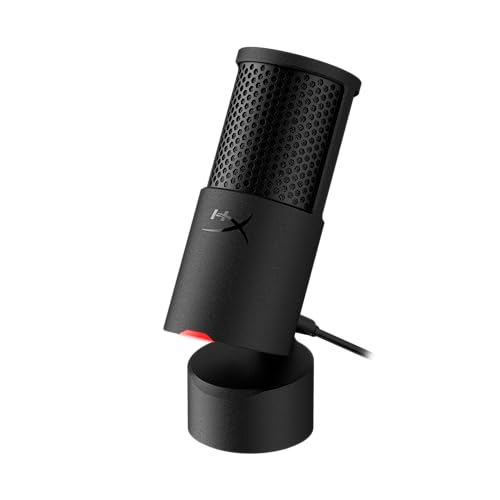
- 24-bit/96kHz cardioid recording
- Built-in pop filter and shock mount
- Tap-to-mute control with LED indicator
Best For: Gamers and streamers wanting a simple, compact setup
Multi-Device Podcasting Pick

- Cardioid capture with noise-reduction mode
- Zero-latency headphone monitoring
- USB-C and Lightning adapters included
Best For: Creators recording on computers, tablets, and phones
Compact Focus

- Supercardioid pickup reduces distracting room noise
- Tap-to-mute sensor with LED status indicator
- Compact plug-and-play design with shock absorber
Best For: Gaming, streaming, and video calls in compact workspaces
Flexible Capture

- 24-bit/96kHz high-resolution audio
- Cardioid and omnidirectional capture modes
- Headphone monitoring with volume and mute controls
Best For: Podcasts, video creation, gaming, and adaptable desktop recording
Complete Starter Kit

- Includes boom arm, shock mount, pop filter, and windscreen
- 192kHz/24-bit chipset with 16mm condenser capsule
- Plug-and-play support for computers, PS4, PS5, and phones
Best For: New podcasters, streamers, and voice-over creators needing accessories
Premium Voice Control
Sennheiser Profile USB Microphone

- Warm, natural voice-focused sound
- Built-in mute, gain, mix, and volume controls
- Metal body with included table stand
Best For: Podcasters and streamers wanting polished desktop control
RGB Gaming Pick
FIFINE AmpliGame A6V USB Gaming Mic

- Tap-to-mute and front gain control
- RGB lighting for gaming setups
- Includes shock mount, pop filter, and tripod
Best For: Gamers and streamers wanting a complete desktop kit
Simple Budget Setup
Amazon Basics USB Condenser Microphone

- Plug-and-play USB operation
- Cardioid pickup with one-tap mute
- 360-degree adjustable stand included
Best For: Beginners and casual desktop voice recording
Versatile Streaming Pick – Blue Yeti USB Microphone
The Blue Yeti is a flexible choice among USB condenser microphones for creators who record, stream, podcast, meet, or make music from a computer. Its four pickup patterns and onboard controls make it adaptable for solo vocals, interviews, instruments, and group recordings.
Best For: Streamers, podcasters, and creators who want multiple recording patterns and hands-on controls.
Pros:
- Four pickup patterns—cardioid, omni, bidirectional, and stereo—support different recording setups.
- Blue VO!CE software adds vocal effects, modulation, and HD audio samples.
- Built-in gain, mute, pattern, and headphone-volume controls simplify recording.
- Includes a desktop stand and supports direct connection to a stand or boom arm.
Cons:
- Its 3.2-pound weight and desktop-oriented design may be less convenient for highly portable setups.
- The feature-rich multi-pattern design may be more than solo users need.
The Blue Yeti stands out for versatility rather than minimalism. Choose it if you expect to switch between solo, group, interview, or instrument recording and want controls directly on the microphone.
Studio-Style Recording Pick – RØDE NT-USB+
The RØDE NT-USB+ is a focused option among USB condenser microphones, pairing a studio-grade condenser capsule with USB-C connectivity and 24-bit/48kHz audio. It is designed for recording, podcasting, streaming, and calls when clean monitoring and a complete desktop setup matter.
Best For: Podcasters, musicians, and creators seeking polished sound with low-noise amplification and direct monitoring.
Pros:
- Studio-grade condenser capsule and Revolution Preamp are designed for detailed, low-noise recording.
- Zero-latency headphone monitoring includes versatile controls for monitoring your performance.
- RØDE Central software provides APHEX processing, including Aural Exciter and Big Bottom.
- Includes a detachable pop filter, desktop stand, ring mount, and USB-C cable.
Cons:
- Its unidirectional pattern is less flexible than a multi-pattern microphone for interviews or room capture.
- Advanced APHEX processing requires RØDE Central software.
The NT-USB+ is a strong fit for users prioritizing a studio-oriented vocal chain over multiple pickup patterns. Its included accessories also make it a practical all-in-one desktop recording solution.
Compact Gaming Pick – HyperX SoloCast 2
The HyperX SoloCast 2 is a compact USB condenser microphone built for straightforward gaming, streaming, and voice recording. It combines a cardioid pattern with a built-in pop filter, internal shock-mount system, tiltable stand, and 24-bit/96kHz recording.
Best For: Gamers and streamers who want an uncomplicated microphone with useful built-in controls and mounting flexibility.
Pros:
- Cardioid pickup focuses on sound from the front while reducing pickup from the sides and rear.
- Built-in suspension system helps reduce unwanted vibration, while the integrated pop filter handles plosive protection.
- Tap-to-mute control uses an LED indicator to show when the microphone is muted.
- HyperX NGENUITY supports high-pass, low-pass, and voice-enhancement filters, with settings saved to the mic.
Cons:
- The single cardioid pattern is less suitable for group or room recordings.
- Some advanced sound customization depends on optional software.
The SoloCast 2 keeps a gaming microphone setup tidy by combining several accessories and controls in one compact unit. It is especially appealing when easy setup, focused vocal capture, and a small footprint are priorities.
Multi-Device Podcasting Pick – ZealSound K66 USB Microphone
The ZealSound K66 is a practical choice among USB condenser microphones for podcasting, streaming, online classes, and calls across desktop and mobile devices. It offers cardioid voice capture, selectable noise reduction, zero-latency monitoring, and included USB-C and Lightning adapters.
Best For: Mobile and desktop creators who need broad device compatibility and direct control over monitoring and voice settings.
Pros:
- Cardioid pickup focuses on the speaker while reducing unwanted sound from other directions.
- Noise Reduction Mode is designed to reduce keyboard, fan, air-conditioner, and background-chatter noise.
- Includes real-time headphone monitoring with an independent volume control.
- USB-C and Lightning adapters support computers, tablets, iPhones, iPads, and compatible Android devices.
Cons:
- Its 40Hz–18kHz frequency response is narrower than some models in this roundup.
- The supplied notes do not specify included mounting accessories beyond the microphone’s control features.
The K66 is best suited to creators who move between a computer and mobile devices. Its adapter selection and built-in controls make it convenient for flexible recording, while the noise-reduction mode can help in less-than-quiet spaces.
Compact Focus – Razer Seiren V3 Mini
The Razer Seiren V3 Mini is a compact choice among USB condenser microphones for gaming, streaming, calls, and everyday PC recording. Its supercardioid pattern focuses on the speaker while helping reduce room noise, and its plug-and-play setup requires no drivers.
Best For: Gamers, streamers, and remote callers who want a small USB microphone with focused pickup and easy mute control.
Pros:
- Supercardioid pickup pattern helps suppress typing, mouse clicks, and surrounding room noise.
- Tap-to-mute sensor with LED indicator provides quick, visible microphone control.
- Built-in shock absorber and tiltable stand help reduce noise from bumps and knocks.
- Works with PC, Discord, OBS Studio, XSplit, Zoom, and Teams without requiring drivers.
Cons:
- USB Type-A connectivity is less convenient for devices that lack a compatible port.
- The mini form factor and single-channel design may be less suitable for larger recording setups.
The Seiren V3 Mini is a practical pick when desk space and background-noise control matter more than a full-size studio configuration. Razer Synapse adds customization options for sample rates and separate playback and audience mixes.
Flexible Capture – AKG Pro Audio Ara USB-C
The AKG Pro Audio Ara stands out among USB condenser microphones with high-resolution 24-bit/96kHz audio and two selectable capture modes. It offers plug-and-play compatibility with computers and supported mobile devices, making it useful for both focused voice recording and broader room capture.
Best For: Podcasters, video creators, musicians, and gamers who need selectable cardioid or omnidirectional recording.
Pros:
- 24-bit/96kHz audio supports detailed, high-resolution recording.
- Cardioid and omnidirectional modes accommodate focused speech or wider group capture.
- Headphone output enables zero-latency monitoring with volume, gain, and mute controls.
- Can be used with its integrated stand, a desktop boom arm, or a common microphone stand.
Cons:
- Its dual-pattern controls may be more than needed for users recording only solo voice.
- The supplied cable is USB-C to USB-A, so some devices may require an additional adapter.
The Ara is a versatile desktop microphone for creators who want more than a single pickup pattern. Its monitoring controls and flexible mounting options also make it easier to adapt as a recording setup grows.
Complete Starter Kit – MAONO A04 USB Microphone Kit
The MAONO A04 is one of the more complete USB condenser microphones for new podcasters and content creators, arriving with a boom arm, shock mount, pop filter, and windscreen. Its plug-and-play USB connection and 16mm condenser capsule are designed for voice recording, streaming, calls, and voice-over work.
Best For: Budget-conscious creators who want a ready-to-use microphone kit with mounting and basic plosive protection included.
Pros:
- Includes an adjustable scissor arm, metal shock mount, pop filter, and foam windscreen.
- 192kHz/24-bit chipset supports high-resolution audio capture.
- Cardioid pickup and 16mm condenser capsule are suited to focused voice recording.
- Compatible with many computers, PS4, PS5, and mobile phones through plug-and-play USB connection.
Cons:
- Not compatible with Xbox.
- The desk clamp is intended for desktops less than 2.1 inches thick.
- The supplied specifications list a 30Hz–16kHz frequency range, narrower than some alternatives.
The A04 makes sense when the included accessories are as important as the microphone itself. It provides a straightforward starting point for podcasting and streaming, though buyers should confirm desk compatibility and device support before purchasing.
Premium Voice Control – Sennheiser Profile USB Microphone
For creators who want straightforward setup and hands-on control, the Sennheiser Profile is one of the more polished USB condenser microphones available. Its cardioid pickup, metal housing, included table stand, and built-in controls make it well suited to voice-focused recording, streaming, and calls on PC or Mac.
Best For: Podcasters, streamers, and vocal creators who prioritize natural voice reproduction and physical controls.
Pros:
- Plug-and-play USB connectivity simplifies setup on PC and Mac.
- Cardioid condenser capsule produces a natural, warm voice presentation.
- Convenient mute, gain, mix, and headphone-volume controls are built in.
- Metal construction and an included table stand support a compact desktop setup.
Cons:
- The desktop form factor may be less flexible than a microphone intended primarily for boom-arm mounting.
- It offers a single-channel USB setup rather than multiple recording channels.
The Profile is a strong choice when ease of use and immediate access to recording controls matter more than a feature-heavy software package. Its warm, voice-friendly sound and sturdy construction make it a dependable centerpiece for a simple desktop studio.
RGB Gaming Pick – FIFINE AmpliGame A6V USB Gaming Mic
The FIFINE AmpliGame A6V combines gaming-oriented features with the convenience expected from USB condenser microphones. It includes tap-to-mute, a gain knob, RGB lighting, a shock mount, pop filter, and tripod stand, making it a ready-to-use option for PC, PS4, and PS5 gaming setups.
Best For: Gamers and streamers who want visual RGB effects, quick mute access, and a complete desktop microphone package.
Pros:
- Plug-and-play compatibility supports PS4, PS5, Windows, and Mac setups.
- Tap-to-mute and the front gain knob are convenient during gaming or streaming.
- Includes a shock mount, pop filter, tripod, and detachable USB cable.
- Gradient RGB lighting adds a customizable gaming aesthetic.
Cons:
- The supplied frequency range is limited to 60 Hz–18 kHz.
- Its gaming-focused RGB design may not suit minimalist recording spaces.
- The included tripod occupies more desk space than a boom-arm setup.
With its useful accessories and easy controls, the A6V is particularly practical for players who want to move quickly from unboxing to game chat or streaming. The shock mount and pop filter also help address common desktop noise and plosive issues.
Simple Budget Setup – Amazon Basics USB Condenser Microphone
The Amazon Basics Condenser Microphone is a straightforward option for shoppers seeking affordable USB condenser microphones for streaming, conferencing, podcasting, or basic recording. Its cardioid pickup, 360-degree adjustable stand, one-tap mute, and plug-and-play operation keep the desktop setup simple.
Best For: Beginners and casual creators who need an easy-to-use microphone for voice recording, streaming, and online meetings.
Pros:
- Plug-and-play USB connection requires no additional drivers.
- Cardioid pickup helps isolate the voice from background noise.
- One-tap mute is convenient for calls and live broadcasts.
- Adjustable stand and standard 5/8-inch threading support desktop or alternate mounting.
Cons:
- Plastic or plastic-alloy construction is less premium than a metal-bodied microphone.
- The supplied specifications list a single-channel USB design with basic controls.
- It is designed for general-purpose use rather than advanced studio flexibility.
This model makes sense for users who value uncomplicated operation over extensive controls or specialized accessories. The adjustable stand, shock absorber, and simple mute function cover the essentials for everyday voice work without adding setup complexity.
How We Picked the Best USB Condenser Microphones
We evaluated these microphones by focusing on the features that matter most in everyday computer recording: pickup pattern, connection type, monitoring options, onboard controls, included accessories, mounting flexibility, and intended use. We also considered setup complexity and whether each model makes sense for its target buyer, since a compact gaming mic has different priorities from a podcasting or music-recording microphone.
USB microphones are convenient because they combine the microphone, preamp, and digital converter in one device. However, sound quality still depends on placement, room noise, and speaking technique. Features such as a headphone output, mute control, gain adjustment, pop filtering, and shock isolation can make a meaningful difference during regular use.
Quick Comparison
| Best For | What to Look For |
|---|---|
| Streaming and gaming | Low-latency monitoring, mute control, compact stand, and directional pickup |
| Podcasting and voice work | Clear cardioid capture, gain control, headphone monitoring, and pop protection |
| Multiple speakers | Selectable pickup patterns and flexible positioning |
| Home recording | Detailed capture, high-resolution support, stable mounting, and quiet operation |
| Simple calls and content | Plug-and-play USB connectivity and minimal setup |
Key Buying Factors for USB Condenser Microphones
Pickup Pattern
Cardioid microphones focus on sound in front of the capsule and are usually the best choice for one-person streaming, podcasting, and voice recording. Supercardioid designs can narrow the pickup area further, while multi-pattern models are more useful for interviews, room capture, or two-person conversations.
Controls and Monitoring
A built-in headphone jack with zero-latency monitoring helps you hear your voice without distracting delay. Gain knobs, headphone-volume controls, and dedicated mute buttons are especially useful during live streams and calls.
Connection and Compatibility
Check whether the microphone uses USB-C, USB-A, or a supplied adapter. Most listed models are designed for computers, but operating-system support, cable length, and compatibility with your preferred streaming or recording software are still worth confirming.
Room, Stand, and Accessories
Condenser microphones capture detail, including unwanted room reflections, fans, and keyboard noise. A stable stand, internal shock mount, pop filter, or boom-arm compatibility can improve results. Position the microphone close to your mouth and slightly off-axis to reduce plosive sounds.
Who Should Buy Which USB Condenser Microphones?
Choose a straightforward cardioid model if you want an easy upgrade for calls, gaming, or solo content. Streamers should prioritize a mute button, headphone monitoring, and a stand that keeps the mic stable. Podcasters and voice creators may prefer stronger gain control, pop protection, and a warmer, more focused pickup. If you record interviews or instruments, a microphone with selectable patterns offers greater flexibility. Buyers on a budget should focus on clean directional capture and useful controls rather than headline resolution numbers alone.