A quiet microphone can make recording, editing, and mixing noticeably easier. The best condenser microphones with low self-noise capture detailed vocals and instruments while leaving more room for natural dynamics and subtle processing.
We compared these 10 models across noise performance, pickup patterns, connectivity, flexibility, included accessories, and value for home studios, creators, and professional recording setups.
Best 10 Condenser Microphone with Low Self Noise Picks for 2026
Quiet Vocal Workhorse

- 4.5 dBA self-noise rating
- Tight cardioid vocal focus
- Shock mount, pop filter, and XLR cable included
Best For: Vocalists, streamers, and home studios with an audio interface
Flexible Detail Specialist

- One-inch true condenser capsule
- Cardioid rear rejection and off-axis suppression
- Shock mount and magnetic pop filter included
Best For: Vocal and instrument recording across home, studio, and stage setups
Natural-Sounding Studio Classic
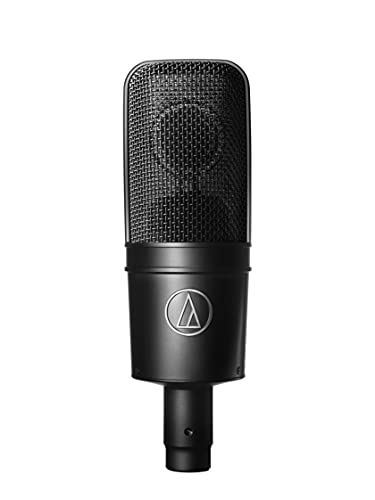
- Smooth, natural large-diaphragm sound
- Low noise with wide dynamic range
- High-SPL handling and included shock mount
Best For: Studio vocals, streaming, and versatile instrument recording
Hybrid Recording Powerhouse

- XLR and USB-C connectivity
- Ultra-low-noise capsule with 32-bit float USB
- Shock mount, pop filter, and both cables included
Best For: Creators moving between direct USB recording and XLR studio setups
Low-Noise Detail

- 8 dB audible-noise specification
- Hand-tuned K67-style capsule
- High-pass filter and springless shockmount
Best For: Detailed vocals and voice-over recording
Studio Versatility

- Large diaphragm for smooth, natural sound
- Cardioid pattern improves source isolation
- 80 Hz filter and 10 dB pad
Best For: Home studios, podcasts, and streaming
Affordable Studio Starter

- Budget-friendly large-diaphragm condenser
- Cardioid pattern reduces ambience
- Includes shock mount and XLR cable
Best For: Basic home-studio vocals and instruments
Proven Studio Value

- Cardioid isolation for cleaner recordings
- Wide dynamic range and high SPL handling
- Includes stand mount, adapter, and pouch
Best For: Home studios and project recording
Quiet Neutral Performer
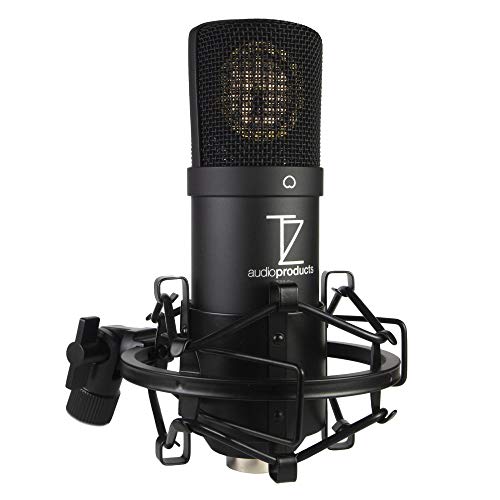
- Noise floor specified below 13 dBA
- Balanced response designed to avoid harshness
- Includes shock mount and protective case
Best For: Quiet vocal and detailed-source recording
Flexible Pattern Choice

- Cardioid, omni, and figure-8 patterns
- Large diaphragm for studio sources and speech
- Includes H84 shock mount and official warranty
Best For: Multi-purpose studio and broadcasting setups
Quiet Vocal Workhorse – RØDE NT1 Signature Series
If you want a condenser microphone with low self noise for vocals, streaming, or home recording, the RØDE NT1 Signature Series is a practical XLR option. Its 4.5 dBA self-noise rating, tight cardioid pattern, and included recording accessories make it easy to build a focused vocal setup with an audio interface.
Best For: Vocalists, streamers, and home-recording users who need an exceptionally quiet XLR microphone.
Pros:
- Very low 4.5 dBA self-noise helps keep quiet passages clean.
- Tight cardioid pattern focuses on the voice and rejects room sound.
- Includes an SM6 shock mount, pop filter, six-meter XLR cable, and dust cover.
- Large-diaphragm NT1 voicing suits vocal recording.
Cons:
- Requires an audio interface because connectivity is XLR.
- Includes a corded setup rather than direct USB computer connectivity.
The NT1 Signature is a strong choice when low microphone noise and a ready-to-record vocal package matter more than plug-and-play USB convenience.
Flexible Detail Specialist – LEWITT LCT 440 PURE
The LEWITT LCT 440 PURE is a condenser microphone with low self noise designed to capture detailed vocals and instruments through an XLR setup. Its one-inch true condenser capsule, cardioid pattern, and off-axis sound suppression make it adaptable for home recording, studio work, and selected stage applications.
Best For: Recordists who want a detailed, versatile XLR microphone for vocals and instruments.
Pros:
- One-inch true condenser capsule captures nuance with depth and clarity.
- Cardioid pattern provides effective rear rejection.
- Suitable for vocals, acoustic instruments, drums, cymbals, amplifiers, and piano.
- Magnetic pop filter and shock mount are included.
Cons:
- Requires equipment with an XLR input.
- Its listed audible noise is 7 dB, so it is not as quiet on paper as the RØDE NT1 options here.
The LCT 440 PURE makes sense for buyers who value broad recording versatility and detailed capture, while still wanting low-noise and off-axis performance features.
Natural-Sounding Studio Classic – Audio-Technica AT4040
The Audio-Technica AT4040 is a condenser microphone with low self noise for users seeking smooth, natural capture and broad recording flexibility. Its large diaphragm, transformerless circuitry, wide dynamic range, and high-SPL capability support vocals, streaming, and demanding instrument sources through an audio interface.
Best For: Studio users who need a natural-sounding microphone for vocals, streaming, and high-level instruments.
Pros:
- Large diaphragm is designed for smooth, natural sonic characteristics.
- Exceptionally low noise and wide dynamic range support versatile recording.
- High-SPL capability suits louder sources.
- Includes an AT8449 shock mount, dust cover, and protective carrying case.
Cons:
- Uses wired XLR connectivity and needs compatible recording equipment.
- The package does not list an included XLR cable or pop filter.
The AT4040 is a well-rounded pick for a more established studio setup, particularly if you want natural tone, low noise, and the ability to handle both vocals and louder sources.
Hybrid Recording Powerhouse – RØDE NT1 5th Gen
The RØDE NT1 5th Gen is a condenser microphone with low self noise for flexible studio, home-recording, podcasting, and voiceover setups. It combines XLR connectivity with USB-C, while its ultra-low-noise capsule, 32-bit float USB capability, and included accessories support both computer-direct and interface-based recording.
Best For: Creators who want one quiet microphone for USB computer recording and traditional XLR studio workflows.
Pros:
- Offers both XLR and USB-C connectivity.
- Ultra-low-noise capsule with 4 dB listed audible noise.
- USB recording supports up to 192 kHz and clip-proof 32-bit float operation.
- Includes shock mount, pop filter, XLR cable, USB-C cable, and dust cover.
Cons:
- USB features require a compatible computer setup.
- The supplied details list a one-year standard warranty unless extended, shorter than the ten-year registered warranty noted for the NT1 Signature.
The NT1 5th Gen is the most adaptable option here: use USB-C for direct computer recording or switch to XLR when your setup includes an interface or mixer.
Low-Noise Detail – Stellar X3
The TechZoneAudioProducts Stellar X3 is a strong option if you want a condenser microphone with low self noise for vocals, voice-over, and other close-miked sources. Its 8 dB audible-noise specification, hand-tuned K67-style capsule, and 87 dB signal-to-noise ratio support clean, detailed recording, while the high-pass filter helps reduce rumble and proximity effect.
Best For: Vocalists, voice-over work, and home-studio users who want detailed sound with useful recording controls.
Pros:
- 8 dB audible-noise specification and 87 dB signal-to-noise ratio.
- Hand-tuned K67-style capsule with a smooth midrange response.
- High-pass filter reduces proximity effect and low-frequency rumble.
- Includes a springless shockmount designed to reduce vibration and resonance.
Cons:
- Requires a 48V audio interface with XLR connectivity.
- Its large-diaphragm studio design is less convenient for portable recording.
The Stellar X3 stands out for combining low stated self noise with practical controls, including a high-pass filter and 10 dB pad. It is especially appealing when clean voice capture and vibration control are priorities.
Studio Versatility – Audio-Technica AT2035
The Audio-Technica AT2035 is a practical condenser microphone with low self noise for home studios, podcasts, streaming, and live performance. Its large diaphragm is designed for smooth, natural sound, while the cardioid pattern helps isolate the intended source from side and rear noise.
Best For: Home-studio vocalists, podcasters, streamers, and creators who need a versatile XLR microphone.
Pros:
- Large diaphragm provides smooth, natural sound and low noise.
- Cardioid pattern improves isolation from sounds at the sides and rear.
- Switchable 80 Hz high-pass filter and 10 dB pad add recording flexibility.
- High SPL handling and wide dynamic range suit varied sources.
Cons:
- Requires an audio mixer or other compatible XLR setup.
- Its listed audible-noise specification is 10 dB, higher than the Stellar X3’s supplied figure.
The AT2035 is a balanced choice for buyers who value flexibility as much as noise performance. Its filter, pad, shock mount, and high-SPL capability make it adaptable across voices and instruments.
Affordable Studio Starter – Mackie EM-91C
The Mackie EM-91C offers an affordable way to add a large-diaphragm condenser microphone to a home or professional studio. Its cardioid pattern helps reduce ambience, and the included shock mount and XLR cable make it a straightforward choice for recording vocals and instruments.
Best For: Budget-conscious home-studio users recording vocals and instruments with an XLR audio setup.
Pros:
- Affordable professional-quality condenser microphone.
- Cardioid pattern reduces ambient sound pickup.
- Rugged, reliable construction for studio use.
- Includes a shock mount and XLR cable.
Cons:
- The supplied notes list a 78 dB signal-to-noise ratio and 78 dB audible-noise specification, so it is not the strongest low-noise option here.
- Does not list a high-pass filter or pad.
- Requires a compatible audio mixer or XLR setup.
The EM-91C makes the most sense when price and included accessories matter more than the lowest possible self-noise figure. For basic studio vocals and instruments, its cardioid design and bundled cable simplify setup.
Proven Studio Value – Audio-Technica AT2020
The Audio-Technica AT2020 is a practical starting point for anyone seeking a condenser microphone with low self noise for home recording, voice work, or project-studio sessions. Its cardioid pattern helps reduce sound from the sides and rear, while its wide dynamic range supports a variety of sources.
Best For: Home studios, project recording, vocals, and users who already have an XLR audio interface with phantom power.
Pros:
- Cardioid pickup improves isolation from unwanted room sound.
- Low-mass diaphragm supports extended frequency response and transient detail.
- Handles high sound-pressure levels and includes a stand mount, adapter, and protective pouch.
Cons:
- Requires an XLR connection and phantom power.
- Its listed audible-noise figure is higher than the Stellar X2’s supplied specification.
The AT2020 remains a versatile, straightforward choice when you want established studio functionality without moving beyond a conventional XLR setup.
Quiet Neutral Performer – TZ Stellar X2
The TZ Stellar X2 is a strong fit for shoppers specifically seeking a condenser microphone with low self noise. Its transformerless JFET circuit is specified with a noise floor below 13 dBA, while the balanced frequency response is designed to avoid harshness and listening fatigue.
Best For: Vocal recording, detailed sources, and users who want a neutral-sounding large-diaphragm microphone with an audio interface.
Pros:
- Specified noise floor of less than 13 dBA.
- Balanced, neutral response intended to avoid harsh or fatiguing sound.
- Includes a spring shock mount, flight case, wind cover, pouch, and adapter.
Cons:
- Needs 48V phantom power and an XLR-to-XLR cable for computer recording.
- Has a unidirectional pattern rather than selectable pickup patterns.
With its notably low stated noise floor and neutral voicing, the Stellar X2 is the most directly targeted option here for quiet, detailed XLR recording.
Flexible Pattern Choice – AKG Professional C114
The AKG Professional C114 offers a versatile option for buyers looking for a condenser microphone with low self noise alongside multiple pickup patterns. Its cardioid, omnidirectional, and figure-8 settings can adapt the microphone to podcasting, broadcasting, vocals, instruments, and other studio applications.
Best For: Creators and musicians who need one XLR microphone for varied recording setups and source types.
Pros:
- Selectable cardioid, omnidirectional, and figure-8 patterns.
- Large-diaphragm condenser design suits vocals, podcasting, instruments, and broadcasting.
- Includes an H84 shock mount and carries an official warranty when purchased from an authorized U.S. dealer.
Cons:
- The supplied audible-noise specification is 30 dB, so it is not the quietest listed option.
- Requires a wired XLR setup and does not list a cable among the included accessories.
The C114’s main advantage is pattern flexibility: choose it when adaptable placement and source coverage matter more than the lowest stated noise figure.
How We Picked the Best Condenser Microphone with Low Self Noise
We focused on microphones designed for detailed recording, prioritizing large-diaphragm condenser models with strong reputations for clean signal capture and controlled self-noise. We also considered polar pattern, output format, sensitivity, feature set, build quality, included accessories, and how easily each microphone fits into a home or professional studio.
Because room acoustics, preamp quality, gain settings, and microphone technique affect the final noise floor, a low-noise microphone is only one part of a quiet recording chain. The most suitable choice depends on your source, room, interface, and workflow.
Quick Comparison
| Best For | Look For | Notable Advantage |
|---|---|---|
| Professional studio vocals | Low-noise XLR condenser | Clean detail and headroom |
| Podcasting and streaming | USB or flexible XLR connectivity | Simple setup and versatility |
| Home studios | Cardioid pattern and good value | Focused pickup with less room sound |
| Multi-source recording | Multi-pattern operation | Greater placement flexibility |
Key Buying Factors for a Condenser Microphone with Low Self-Noise
Noise Performance and Sensitivity
Look for published equivalent noise specifications when available, but do not judge a microphone by that number alone. A clean preamp, appropriate gain, proper cabling, and a quiet room are equally important. High sensitivity can capture more detail, but it may also reveal computer fans, HVAC systems, and untreated reflections.
Connectivity and Power
Most studio condenser microphones use XLR and require 48V phantom power from an audio interface, mixer, or preamp. USB models can connect directly to a computer and may be more convenient for podcasting or streaming. Some microphones support both USB-C and XLR, offering an upgrade path from simple recording to a more advanced setup.
Pickup Pattern and Room Control
Cardioid microphones generally reject sound from behind the capsule and are a practical choice for a single speaker or vocalist. Multi-pattern models provide more flexibility for interviews, room recording, and stereo techniques, but they can capture more unwanted ambience in an untreated space.
Accessories and Placement
A shock mount, pop filter, stable stand, and correctly positioned acoustic treatment can improve results as much as a microphone upgrade. Place the mic close enough for a strong signal without excessive proximity effect, and keep the capsule aimed consistently at the source.
Who Should Buy Which Condenser Microphone with Low Self Noise?
Choose a straightforward cardioid XLR model if you are building a project studio and already own an audio interface. It is usually the best balance of control, isolation, and long-term value. Podcasters and streamers who want simple computer recording should consider a USB-capable option, while users who expect to expand their setup should favor a model with both USB and XLR outputs.
For vocals, voiceover, and acoustic instruments, prioritize the quietest suitable model with a balanced sound that matches your voice or source. If you record multiple instruments, ensembles, or changing room setups, a multi-pattern microphone can justify its higher cost. Whichever model you choose, pair it with a quiet recording environment and careful gain staging for the cleanest results.