If you’re watching deer at dawn, tracking movement after sunset, or scanning thick brush without disturbing wildlife, the right optics matter. Thermal binoculars can reveal heat signatures fast, even when visibility drops.
This roundup focuses on models that balance range, image quality, battery life, and practical field use for wildlife observers.
Best 10 Thermal Binoculars for Wildlife Observation Picks for 2026
Dual-Spectrum Versatility
AGM ObservIR LRF 25-256 Thermal Binoculars

- Thermal + digital day/night viewing
- Built-in 1,000m laser rangefinder
- IP67 build with GPS and compass
Best For: Wildlife observers needing versatile viewing and distance tools
Lightweight Range
TOPDON TS004 Thermal Monocular

- 256x192 thermal image with 50Hz refresh
- Up to 11 hours of battery life
- Wi‑Fi app support for live viewing
Best For: Users wanting a portable thermal monocular for extended outings
Long-Range Dual View
AGM ObservIR LRF 35-384 Thermal Binoculars

- 384x288 thermal plus 4K digital channel
- Up to 1,800m thermal detection
- Built-in GPS, compass, Wi‑Fi, and rangefinder
Best For: Users needing premium long-range wildlife observation
Compact Thermal Scout

- 256x192 thermal sensor with 12μm detector
- Six color palettes plus 4X zoom
- App sharing with replaceable battery
Best For: Beginners wanting a compact thermal monocular
Multispectral All-in-One
ATN Binox 6 Thermal/Digital 4K
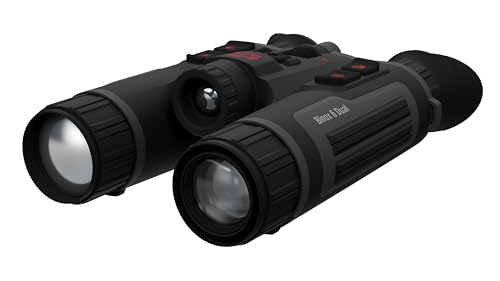
- Switches among Day, Night, Twilight, and Thermal modes
- 256×192 thermal sensor with SharpIR AI enhancement
- Built-in 1,000 m laser rangefinder and 4K day sensor
Best For: Serious wildlife observers who want one device for day viewing, thermal scanning, and ranging
Budget Night Vision Option
Rechargeable Night Vision Goggles 10X Zoom

- 2.8-inch LCD with 7 infrared levels
- 10X digital zoom and up to 2624 ft viewing range
- 32GB card included with photo and video recording
Best For: Users who want an affordable night-observation device for wildlife or camping
Thermal Scouting Upgrade
ATN Binox 6 Multispectral 4K with LRF
- Four modes: Day, Night, Thermal, and Twilight
- ≤20 mK NETD thermal sensitivity with SharpIR AI
- 1000-yard laser rangefinder plus 64GB and Wi‑Fi
Best For: Observers who want advanced thermal performance and built-in ranging for field scouting
Dual-Spectrum Flagship
- 640×512 thermal + 4K digital day/night viewing
- Built-in 1,000m laser rangefinder
- 64GB memory, Wi‑Fi, GPS, and compass
Best For: Serious wildlife observers who want thermal detection and digital verification in one binocular
Multispectral Mid-Range
- Switches between 4K Day, IR Night, Thermal, and Twilight
- 384×288 thermal sensor with ≤15 mK NETD
- Built-in 1,000-yard laser rangefinder
Best For: Users who want flexible all-light viewing for scouting and wildlife observation
High-Detail Multispectral
- 640×512 thermal sensor for finer heat detail
- 4K Day, IR Night, and Twilight viewing modes
- Built-in 1,000-yard laser rangefinder
Best For: Wildlife observers who want the highest thermal detail in a multispectral binocular
Dual-Spectrum Versatility – AGM ObservIR LRF 25-256 Thermal Binoculars
If you want thermal binoculars for wildlife observation that can handle changing light from dusk to full darkness, this AGM Global Vision ObservIR LRF blends thermal and digital viewing in one platform. The 25mm system adds a built-in 1,000m laser rangefinder, GPS, and a digital compass, which is useful when you need both detection and distance awareness in the field.
Best For: Wildlife observers who want a dual-spectrum binocular with rangefinding and navigation tools.
Pros:
- Dual-spectrum thermal and digital day/night imaging for broader viewing flexibility
- Built-in eye-safe laser rangefinder measures distances up to 1,000m
- Ultra-low-light 4K optical channel and 1920×1080 OLED display improve image clarity
- IP67 waterproof build with up to 8 hours of runtime and USB-C external power support
Cons:
- 256×192 thermal resolution is more modest than higher-end thermal units
- 850g weight may feel heavy for long handheld sessions
- Designed more for advanced use than a simple grab-and-go monocular alternative
This is a practical pick if you want a field-ready system that combines thermal detection, optical viewing, and range measurement in one body. It is best suited to users who value versatility and situational data as much as raw thermal spotting.
Lightweight Range – TOPDON TS004 Thermal Monocular
The TOPDON TS004 is a compact thermal imaging option for wildlife observation when portability and long battery life matter most. With a 13mm lens, 256×192 IR resolution, 50Hz refresh rate, and smartphone app support, it gives you a straightforward way to scan for heat signatures without carrying a larger binocular-style device.
Best For: Observers who want a lightweight thermal monocular for longer outings and phone-connected viewing.
Pros:
- 256×192 IR resolution with 50Hz refresh for smoother thermal viewing
- Up to 11 hours of battery life from the included 5000mAh battery
- Wireless app connection supports live monitoring, image capture, and video recording
- IP67 rating and 2m drop resistance help it handle outdoor use
Cons:
- Monocular design is less immersive than binocular-style thermal viewing
- 13mm lens and 410m detection range are better for mid-range scanning than long-distance detail
- Small form factor may feel limited if you want more advanced onboard navigation tools
For buyers who prioritize battery endurance and easy carrying, this model makes sense as a practical thermal scouting tool. It is a good match for field users who want simple wireless sharing and dependable weather resistance.
Long-Range Dual View – AGM ObservIR LRF 35-384 Thermal Binoculars
These thermal binoculars for wildlife observation are built for users who want stronger long-range detection and richer optical detail. The AGM ObservIR LRF combines a 384×288 thermal sensor with a 3840×2160 digital day/night channel, plus a 35mm lens, 1,000m laser rangefinder, and up to 22x magnification for more serious field viewing.
Best For: Wildlife observers who want a premium dual-sensor binocular for longer-range scanning.
Pros:
- 384×288 thermal sensor and 4K digital optical channel improve versatility
- Up to 1,800m thermal detection and 1,000m laser rangefinder support long-distance observation
- Sub-15mK NETD sensor and F1.0 35mm lens are designed for better thermal contrast
- GPS, digital compass, Wi-Fi, and 64GB recording add useful field functionality
Cons:
- More advanced than needed if you only want simple close-range spotting
- Larger feature set likely means a steeper learning curve
- Not the lightest choice for casual handheld carry over long periods
If you need a more capable observation tool for distance, this model stands out for its blend of thermal sensitivity, digital detail, and built-in ranging. It is aimed at users who want a high-feature binocular that can handle demanding field sessions.
Compact Thermal Scout – GOYOJO G210 Thermal Monocular
The GOYOJO G210 is a compact thermal imaging monocular for wildlife observation when you want something simple, portable, and easy to share through an app. Its 256×192 thermal sensor, 10mm lens, six color palettes, and 4X zoom give you a basic but flexible viewing setup for scanning warm targets at short to mid range.
Best For: Beginners and casual users who want an affordable, compact thermal monocular for field use.
Pros:
- 256×192 thermal sensor with 12μm detector for standard heat detection
- Six color palettes and 4X zoom help tailor the viewing experience
- App support enables real-time thermal image sharing
- Replaceable battery and IP65 rating add convenience and weather resistance
Cons:
- 25Hz refresh rate is less smooth than higher-refresh models
- 10mm lens is better for closer observation than long-distance detail
- IP65 protection is solid, but less robust than higher IP-rated alternatives
This is a sensible entry-level choice if your priority is straightforward thermal detection in a small, easy-to-carry package. It fits buyers who want functional imaging and app connectivity without stepping into a more complex binocular system.
Multispectral All-in-One – ATN Binox 6 Thermal/Digital 4K
If you want thermal binoculars for wildlife observation that can also handle daylight glassing, this ATN Binox 6 gives you a true all-in-one setup. It switches between Day, Night, Twilight, and Thermal modes, so you can move from bright open-country spotting to low-light scanning without changing devices.
Best For: Wildlife watchers who want one rugged binocular for day viewing, thermal scanning, and distance measuring in the field.
Pros:
- 4-in-1 multispectral viewing with Day, Night, Twilight, and Thermal modes
- 256×192 thermal sensor with SharpIR AI and Wide Dynamic Range processing
- Built-in laser rangefinder reaches up to 1,000 m with ±1 m accuracy
- 4K day sensor, 64GB storage, Wi‑Fi streaming, and IP67 waterproof housing
Cons:
- Higher magnification and multisensor features may be more than casual users need
- Battery runtime is listed at about 8 hours, so long outings may still need spares or external power
Overall, this model stands out when you want maximum flexibility in one unit. Its thermal, digital, and ranging tools make it especially practical for serious wildlife observation where conditions change quickly.
Budget Night Vision Option – Rechargeable Night Vision Goggles 10X Zoom
For buyers comparing thermal binoculars for wildlife observation on a tighter budget, this rechargeable night vision goggle focuses on nighttime visibility, recording, and simple operation. It uses a 2.8-inch LCD screen, 7 infrared levels, and 10X digital zoom to help you spot animals after dark.
Best For: Budget-conscious users who mainly need a straightforward night-observation tool for wildlife, camping, or property watch.
Pros:
- 2.8-inch LCD screen with up to 7 infrared levels for low-light viewing
- 10X digital zoom and a viewing range up to 2624 feet
- Includes 32GB TF card, with support up to 128GB
- Tripod-compatible and includes neck strap and hand strap for handling
Cons:
- It is a night vision goggle rather than a true thermal imaging binocular
- Best suited to dark conditions, not full day-to-day multispectral use
This is a practical pick if your priority is clear nighttime observation with built-in recording. It is less versatile than multispectral units, but it offers an accessible way to watch wildlife after dark.
Thermal Scouting Upgrade – ATN Binox 6 Multispectral 4K with LRF
If your goal is thermal binoculars for wildlife observation with more advanced detection and identification tools, this ATN Binox 6 version is built for serious field use. It combines day, night, thermal, and twilight modes with a 256×192 thermal sensor, Dual View, and SharpIR AI to help you sort out heat signatures and scene detail more confidently.
Best For: Wildlife observers and field users who want stronger thermal sensitivity, built-in ranging, and flexible multispectral viewing.
Pros:
- Four viewing modes in one device: Day, Night, Thermal, and Twilight
- 256×192 thermal sensor with ≤20 mK NETD for subtle heat detection
- Built-in 1000-yard laser rangefinder with ±1 m accuracy
- 64GB storage, Wi‑Fi streaming, tripod mount, and lightweight magnesium body
Cons:
- Premium feature set may be excessive for occasional users
- Like other advanced multispectral units, it depends on batteries and may benefit from spare power on longer trips
Compared with basic night-vision gear, this model is much better suited to users who need both detection and identification tools in changing conditions. It is a strong fit for longer observation sessions where range, image enhancement, and multitool versatility all matter.
Dual-Spectrum Flagship – AGM ObservIR LRF 35-640
If you’re shopping for thermal binoculars for wildlife observation, this AGM dual-spectrum model is built for users who want thermal scanning and clear visual confirmation in one unit. It combines a 640×512 thermal channel with a 4K digital day/night optical system, so you can spot heat signatures and then verify what you’re seeing without switching gear.
Best For: Wildlife observers, field professionals, and serious users who want long-range thermal detection plus a full-color digital viewing option.
Pros:
- Dual-spectrum design with a 640×512 thermal channel and 4K optical channel
- Built-in 1,000m laser rangefinder for accurate distance checks
- Sub-15mK 12μm thermal sensor with 3x–22x zoom for detailed detection
- 64GB onboard memory, Wi‑Fi streaming, GPS, and digital compass
Cons:
- Feature-rich design may be more than casual users need
- Higher-end capabilities likely come with a steeper learning curve
- Tripod use may be preferable for extended viewing sessions
This is a strong pick if you want one optic that covers daytime viewing, night scanning, recording, and location awareness. For wildlife observation in demanding conditions, its mix of thermal detail, 4K imaging, and rangefinding makes it especially versatile.
Multispectral Mid-Range – ATN Binox 6 384×288
For buyers comparing thermal binoculars for wildlife observation, this ATN Binox 6 aims at flexible all-light performance without jumping to the largest thermal sensor class. It switches among 4K Day, IR Night, Thermal, and Twilight modes, making it useful when lighting changes throughout a long outing.
Best For: Wildlife scouting, hunting, and outdoor glassing when you want multispectral viewing with a more compact thermal spec.
Pros:
- Multispectral modes cover 4K Day, IR Night, Thermal, and Twilight
- 384×288 thermal sensor with ≤15 mK NETD for solid contrast
- Integrated 1,000-yard laser rangefinder
- 64 GB storage, Wi‑Fi, tripod mount, and rugged lightweight housing
Cons:
- 384×288 thermal resolution is lower than the brand’s 640×512 version
- Best suited to users who value flexibility over maximum thermal detail
- May feel oversized for quick, minimalist outings
This model makes sense if you want a versatile binocular that can handle shifting light conditions and still provide thermal detection plus ranging. It is a practical middle-ground option for wildlife users who prioritize adaptability and field recording.
High-Detail Multispectral – ATN Binox 6 640×512
If your priority is the clearest possible thermal binoculars for wildlife observation, this ATN Binox 6 is the higher-detail option in the lineup. It pairs 4K Day, IR Night, and Twilight modes with a 640×512 thermal sensor, giving you more refined heat detail for long-range detection and identification.
Best For: Wildlife observers and field users who want the strongest thermal detail in a multispectral binocular.
Pros:
- 640×512 thermal sensor for finer heat detail through brush, fog, and darkness
- Multispectral viewing includes 4K Day, IR Night, and Twilight modes
- Built-in 1,000-yard laser rangefinder for instant distance readings
- 64 GB storage, Wi‑Fi, tripod mount, and lightweight magnesium construction
Cons:
- More advanced than basic observation needs may require
- Higher-detail thermal imaging may be unnecessary for short-range use
- As a feature-rich binocular, it may be better for planned sessions than quick checks
This is the model to look at if thermal definition matters most and you still want the convenience of day/night multispectral viewing. For demanding wildlife observation, it offers the most detailed thermal package of the three options here.
How We Picked the Best Thermal Binoculars for Wildlife Observation
To choose the best Thermal Binoculars for Wildlife Observation, we prioritized detection range, thermal sensor quality, ease of handheld viewing, and real-world features like laser rangefinding, dual-spectrum imaging, and recording support. We also weighed durability, battery performance, and whether the device is genuinely useful for quiet observation rather than only tactical use.
Quick Comparison
Higher-resolution sensors generally produce cleaner detail, while larger objective lenses and stronger magnification help at distance. Dual-sensor and multispectral models are usually the most versatile because they combine thermal detection with visible-light viewing for better target identification.
Key Buying Factors for Thermal Binoculars for Wildlife Observation
Sensor Resolution
Resolution affects how much detail you can see once a heat source is detected. For general wildlife work, 256×192 can be adequate, but 384×288 and 640×512 usually deliver clearer edges, better animal separation, and more confidence at longer distances.
Detection Range Vs. Identification Range
Manufacturer range claims often refer to ideal detection conditions. For wildlife use, identification matters more: you want to tell an animal from a warm background and, ideally, distinguish species or behavior. Look for a model that performs well in wooded terrain, not just open fields.
Optics and Viewing Comfort
True binocular form factors are easier for extended glassing than monoculars. A comfortable eyepiece design, stable handholding, and usable zoom are important if you plan to scan for long periods.
Rangefinder and Dual-Spectrum Features
Built-in rangefinders can help estimate distance without switching tools, which is especially useful when judging movement across ridges, fields, or waterways. Dual-spectrum or 4K day/night channels can also improve confirmation once a heat source is found.
Who Should Buy What
If you want the most versatile setup for field use, choose a dual-spectrum binocular with a rangefinder. If you mainly need affordable thermal detection, a simpler monocular may be enough. For serious wildlife observers covering large properties or doing frequent nighttime surveys, higher-resolution multispectral binoculars are the better long-term investment.
In short, the best Thermal Binoculars for Wildlife Observation are the ones that match your terrain, viewing distance, and identification needs—not just the biggest spec sheet.