Wireless TV tuners make it easier to watch free over-the-air channels on smart TVs, phones, tablets, computers, and streaming devices. The right model can also add DVR recording, multi-room access, or support for newer ATSC 3.0 broadcasts.
We selected 10 options spanning network tuners, OTA DVRs, converter boxes, and USB adapters. Use the guide below to match tuner technology, device compatibility, recording features, and setup requirements to the way you watch TV.
Best 10 Wireless TV Tuners Picks for 2026
NextGen Network Tuner

- Four tuners with two ATSC 3.0 tuners
- Streams live TV across compatible home devices
- USB hard drive enables whole-home DVR
Best For: Homes wanting ATSC 3.0 and multi-device streaming
Wireless Local-Channel Streamer

- Dual tuners record up to two shows simultaneously
- Streams antenna channels over the home network
- Works with Sling TV but does not require a subscription for locals
Best For: Cord-cutters seeking local channels and optional DVR
Four-Tuner Network DVR
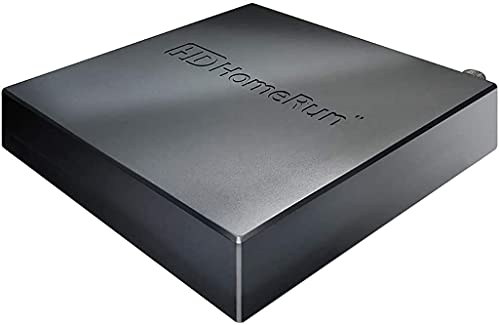
- Four ATSC 1.0 tuners for simultaneous viewing
- Streams to many compatible home devices
- Adds DVR storage through a USB hard drive
Best For: Households needing multiple ATSC 1.0 streams
Subscription-Free OTA DVR

- Includes a 35-mile indoor antenna
- Four ATSC 1.0 tuners support recording and viewing
- No subscriptions or hidden ongoing fees
Best For: Cord-cutters wanting an all-in-one OTA DVR
Best Whole-Home Option
- Two ATSC 1.0 tuners
- Multi-device network streaming
- USB DVR support without a subscription
Best For: Households sharing OTA TV across compatible devices
Best 4K DVR Box
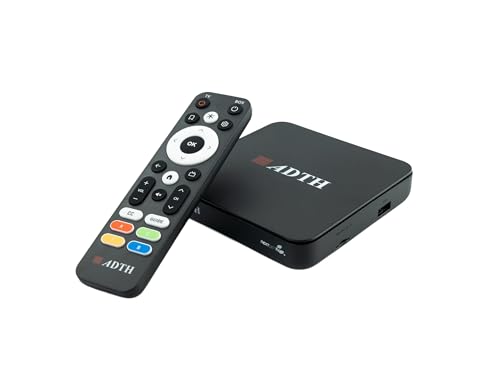
- ATSC 3.0 and 1.0 support
- 64GB built-in DVR storage
- Up to 4K HDR output
Best For: Antenna users wanting a direct-to-TV DVR receiver
Best USB Computer Tuner

- ATSC 1.0 and QAM support
- Portable USB 2.0 design
- 1080P viewing and software-based recording
Best For: Windows PCs, laptops, and supported Android devices
Best Cable-Free DVR Pick

- ATSC broadcast and unscrambled Clear QAM support
- 1080p HDMI output with front display
- USB recording with drives up to 2TB
Best For: Traditional TV setups needing recording and channel display
Best Mobile TV Tuner

- Free ATSC viewing without internet or mobile data
- USB Type-C design for Android devices
- Pause and record live TV through the app
Best For: Portable viewing on compatible Android phones and tablets
Best Budget Converter Box
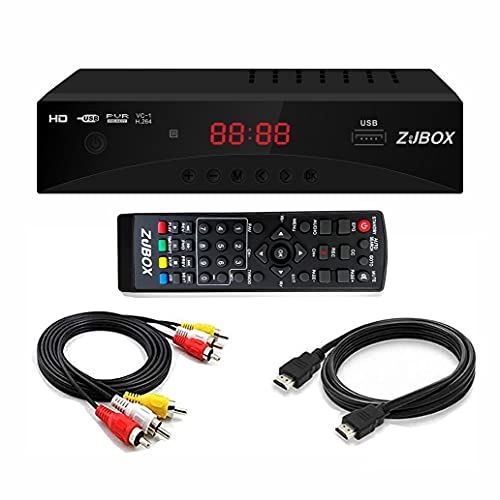
- 1080p over-the-air ATSC conversion
- USB recording and media playback
- HDMI and composite cables included
Best For: Basic OTA viewing and recording on older or newer TVs
NextGen Network Tuner – HDHomeRun Flex 4K
The HDHomeRun Flex 4K is a strong choice among wireless TV tuners for households that want network-based live TV across multiple screens. It provides four tuners, including two ATSC 3.0 tuners, and can support whole-home DVR functionality when paired with a USB hard drive.
Best For: Multi-device households that want ATSC 3.0 capability and flexible whole-home viewing.
Pros:
- Four tuners: two ATSC 3.0 and four ATSC 1.0-capable tuner paths.
- Streams live TV to compatible phones, TVs, streaming devices, computers, and game consoles.
- Supports whole-home DVR recording with a USB hard drive and no required DVR subscription.
Cons:
- Requires an Ethernet connection and a separate antenna.
- ATSC 3.0 DRM-protected channels are not supported.
- A USB hard drive is needed for DVR storage.
Choose this model if future-facing broadcast support matters more than a simple plug-and-play setup. Its broad device compatibility and four-tuner design make it particularly useful for shared viewing throughout the home.
Wireless Local-Channel Streamer – Sling AirTV 2
Sling AirTV 2 Dual-Tuner Local Channel Streamer for TVs and Mobile Devices w/DVR
Check Price On AmazonThe Sling AirTV 2 combines an HD antenna with your home network to stream local channels to supported TVs and mobile devices. As wireless TV tuners go, it is aimed at cord-cutters who want local broadcasts integrated with Sling TV while retaining the option to use local channels without a Sling subscription.
Best For: Cord-cutters who want local-channel streaming and optional DVR recording through supported devices.
Pros:
- Dual tuner lets you record up to two local shows at once.
- Streams local channels throughout the home over Wi-Fi through compatible players and apps.
- Supports watching live or recorded content outside the home on iOS and Android devices.
Cons:
- HD antenna and streaming player are sold separately.
- External hard drive is required for DVR recording.
- Requires broadband internet, with 25 Mbps recommended.
This AirTV model makes sense when local channels are the priority and your household already uses compatible Roku, Fire TV, Android TV, or AirTV equipment. Its dual tuners are useful for basic recording, but the additional hardware requirements should be included in the budget.
Four-Tuner Network DVR – HDHomeRun Flex Quatro
The HDHomeRun Flex Quatro is a straightforward network tuner for distributing antenna TV around a home. It includes four ATSC 1.0 tuners, allowing multiple compatible devices to watch live broadcasts simultaneously, while a connected USB hard drive can add whole-home DVR functionality.
Best For: Families that want four-tuner ATSC 1.0 coverage across compatible home devices.
Pros:
- Four ATSC 1.0 tuners support multiple simultaneous live-TV streams.
- Works with a wide range of Android, Apple, Roku, Fire TV, Xbox, Sony, phone, tablet, and computer devices.
- Supports USB-based whole-home DVR recording without a required subscription.
Cons:
- Uses ATSC 1.0 rather than ATSC 3.0.
- Requires Ethernet networking, an antenna, and a separate USB hard drive for DVR use.
- Advanced automatic recording features may require a paid TV guide.
This is a practical pick when you need capacity for several viewers but do not need NextGen TV support. Its Ethernet-based design fits a home network setup, while the optional USB storage keeps DVR expansion flexible.
Subscription-Free OTA DVR – Tablo TV 4th Gen
The Tablo TV 4th Gen pairs a four-tuner over-the-air DVR with a 35-mile indoor antenna, making it one of the more complete wireless TV tuners packages for local-TV viewing. It connects by Wi-Fi or Ethernet and supports live TV, pausing, recording, and replay across compatible smart TVs and streaming devices without ongoing subscription fees.
Best For: Homes wanting an all-in-one antenna and DVR package with no recurring fees.
Pros:
- Includes a 35-mile indoor antenna and coaxial cable.
- Four ATSC 1.0 tuners provide flexible recording and viewing.
- Supports live TV, pause, replay, and recording on compatible smart TVs and streaming players.
Cons:
- Not compatible with non-smart TVs or computers, and compatibility varies by device.
- Included antenna performance depends on location, obstructions, and topography.
- Does not include an HDMI cable.
Tablo is a convenient starting point for cord-cutters who want the antenna and DVR in one box. Verify device compatibility and local reception conditions before buying, especially if you plan to use it with a specific television.
Best Whole-Home Option – HDHomeRun Flex Duo
The HDHomeRun Flex Duo is a strong choice among wireless TV tuners for households that want to distribute over-the-air television across multiple compatible devices. Its network-based design uses Ethernet and supports two simultaneous ATSC 1.0 streams.
Best For: Homes that want shared live TV access on phones, streaming players, computers, and other compatible devices.
Pros:
- Supports viewing on multiple devices throughout the home.
- Includes two ATSC 1.0 tuners for simultaneous streams.
- Can provide whole-home DVR functionality with a USB hard drive.
- Works with platforms including Roku, Apple TV, Fire TV, Android, Windows, Mac, and Xbox.
Cons:
- Uses Ethernet connectivity rather than built-in Wi-Fi.
- Requires a separate USB hard drive for DVR storage.
- Advanced automatic recording features may require a paid TV guide.
Choose this model when multi-room access matters more than a simple direct-to-TV setup. It is especially practical for an existing home network and several compatible viewing devices.
Best 4K DVR Box – NextGen TV Box Gen 2
This ADTH receiver is one of the more capable wireless TV tuners for connecting an antenna directly to a television. It supports both ATSC 3.0 and ATSC 1.0 broadcasts, with 4K HDR output and built-in DVR storage.
Best For: Viewers upgrading an older TV or adding antenna-based live TV, recording, and playback to an HDMI display.
Pros:
- Supports both ATSC 3.0 NextGen TV and legacy ATSC 1.0 broadcasts.
- Offers up to 4K HDR output when compatible broadcasts and equipment are available.
- Includes 64GB of built-in storage for DVR recording.
- Supports pause, rewind, replay, Wi-Fi, Bluetooth, and modern broadcast audio formats.
Cons:
- Requires a TV antenna and an HDMI-connected television.
- 4K broadcast availability depends on location and compatible broadcasts.
- Extra recording capacity requires separately purchased USB or microSD storage.
Its built-in storage and dual-standard tuner make it a convenient all-in-one antenna receiver. Consider it when direct TV connection, future-ready ATSC 3.0 support, and DVR functions are priorities.
Best USB Computer Tuner – MyGica A681B USB TV Tuner
The MyGica A681B is a compact USB option among wireless TV tuners for watching ATSC 1.0 or QAM digital broadcasts on compatible Windows computers and Android devices. It does not need a Wi-Fi network for live viewing, but driver and playback-software installation is required.
Best For: Windows PC, laptop, or supported Android users who want a portable 1080P HDTV tuner and recording capability.
Pros:
- Compact USB 2.0 design is easy to carry and connect.
- Supports ATSC 1.0 and QAM digital broadcasts.
- Can watch, record, and play back programming after installing HiDTV software.
- Compatible with Windows 7, Windows 10, Windows 11, and specified Linux systems.
Cons:
- Requires separate driver and playback-software installation before use.
- Not compatible with MacBook computers.
- Setup problems may occur if the required software is not installed correctly.
This tuner suits hands-on users who prefer a low-profile computer accessory rather than a standalone TV box. Confirm operating-system compatibility and be prepared to complete the software setup before watching.
Best Cable-Free DVR Pick – Mediasonic HomeWorx HW250STB
The Mediasonic HomeWorx HW250STB is a practical choice among wireless TV tuners for receiving free over-the-air ATSC broadcasts on a TV, projector, or computer monitor. It also supports unscrambled Clear QAM cable channels, 1080p HDMI output, and USB recording when paired with a compatible external drive.
Best For: Viewers who want a traditional converter box with recording, a front display, and broad connection support.
Pros:
- Records and pauses live TV with an external USB hard drive up to 2TB.
- Includes HDMI output, Dolby Digital audio, and a 5 ft HDMI cable.
- Supports over-the-air ATSC broadcasts and unscrambled Clear QAM channels.
- Front display shows the channel or clock in standby mode.
Cons:
- Does not support ATSC 3.0.
- Requires an external antenna for broadcast reception and a separate USB drive for recording.
- Is not compatible with TiVo or major cable and satellite services listed by the manufacturer.
Its recording features and upgraded remote make it more versatile than a basic tuner, though the ATSC 1.0 limitation and external-storage requirement should be considered before buying.
Best Mobile TV Tuner – MyGica Type-C ATSC Tuner
The MyGica Type-C tuner is a highly portable option among wireless TV tuners, bringing free ATSC broadcasts to compatible Android phones and tablets without Wi-Fi or mobile data. Its compact USB Type-C design supports live viewing, pausing, recording, and program-guide features through the PAD TV HD app.
Best For: Android users who want to watch local broadcast TV while traveling or away from a traditional television.
Pros:
- Receives free ATSC digital TV without an internet, Wi-Fi, or cellular connection.
- Compact plug-and-play Type-C design with an included rope antenna.
- Supports watching, pausing, and recording live TV.
- Offers features including EPG, picture-in-picture, and parental control.
Cons:
- Compatible with Android phones and tablets rather than standard TVs.
- Not intended for Samsung smartphones, according to the supplied listing.
- Requires downloading the PAD TV HD app and connecting the antenna.
This tuner is convenient for mobile viewing and offline use, but compatibility should be checked carefully because it is designed specifically for supported Android Type-C devices.
Best Budget Converter Box – ZJBOX ATSC TV Tuner
The ZJBOX digital converter box is a straightforward choice among wireless TV tuners for converting over-the-air ATSC signals to an analog or digital TV, projector, or monitor. It provides 1080p output, USB recording and playback, timer functions, and both HDMI and composite connections.
Best For: Budget-conscious viewers who need a basic over-the-air tuner with recording and legacy TV connectivity.
Pros:
- Supports 1080p output for compatible free-to-air broadcasts.
- Records TV programs to USB storage and plays them back on a TV or computer.
- Includes HDMI and composite cables for flexible setup options.
- Adds favorites, parental controls, closed captions, auto tuning, and timer settings.
Cons:
- Does not include built-in storage and requires a compatible USB drive.
- Requires an external antenna and does not amplify or improve signal reception.
- Firmware updates are infrequent and must be handled through the seller if needed.
The ZJBOX covers the core converter-box functions at a modest price, but it is best suited to setups with an adequate antenna and modest USB recording needs.
How We Picked These Wireless TV Tuners
We focused on the features that most affect everyday OTA viewing: tuner count, broadcast-standard support, recording capabilities, connection options, compatibility, and ease of setup. The selection includes network-connected models for streaming across multiple devices, standalone converter boxes for direct TV connection, and USB tuners for computers or compatible Android devices.
We also considered whether a product requires an antenna, an external storage device, an app, or a paid service. A tuner cannot improve a weak broadcast signal, so antenna placement and local channel availability remain important parts of the buying decision.
Quick Comparison
| Type | Best For | Main Advantage | Watch For |
|---|---|---|---|
| Network tuner | Streaming local channels around the home | Works with phones, tablets, TVs, and streaming platforms | Requires network setup and app compatibility |
| OTA DVR | Recording and time-shifting broadcasts | Pause, replay, and save local programming | Storage and service features vary |
| ATSC 3.0 tuner | Accessing newer NextGen TV broadcasts | Supports compatible 4K and advanced broadcast features | ATSC 3.0 channels may be limited by location |
| Converter box | Using an antenna with a standard television | Simple HDMI connection and direct control | Usually intended for one TV |
| USB tuner | Watching TV on a computer or compatible device | Compact and portable | Software and operating-system support can be restrictive |
Key Buying Factors for Wireless TV Tuners
Tuner Count
One tuner generally handles one live channel at a time. Dual- and quad-tuner models are better for recording while watching another channel or serving multiple viewers simultaneously. Choose based on how many streams or recordings your household is likely to need.
ATSC 1.0 Versus ATSC 3.0
Most current broadcasts use ATSC 1.0, while ATSC 3.0, also called NextGen TV, is expanding in select markets. An ATSC 3.0-compatible device can provide future-readiness, but verify local availability and whether your TV or streaming setup supports the required video, audio, and DRM features.
Network and Device Compatibility
Network tuners typically connect to your home router and deliver channels through a dedicated app or compatible media platform. Check support for your smart TV, phone, tablet, computer, and streaming device before buying. USB models require particular operating systems, ports, drivers, and software.
DVR and Storage
If recording matters, check whether storage is built in, expandable, or dependent on a USB drive or network storage. Confirm recording limits, scheduling tools, simultaneous recording capacity, and whether any features require a subscription.
Antenna and Signal Requirements
Every OTA tuner needs a suitable antenna and a reliable signal. Indoor antennas work best near transmitters and exterior walls, while a roof or attic antenna may be necessary in challenging areas. Use your address to check local tower distance and channel availability before choosing equipment.
Who Should Buy Which Wireless TV Tuners?
Choose a network tuner if you want local channels on multiple TVs and mobile devices without running coaxial cable to every screen. Choose an OTA DVR if recording, pausing, and watching on your own schedule are priorities.
Choose an ATSC 3.0 model if compatible NextGen TV broadcasts are available in your area and you want a more future-focused setup. Choose a converter box for a straightforward single-TV installation, especially with an older display. Choose a USB tuner when portability and computer-based viewing matter most, but confirm software support first.